

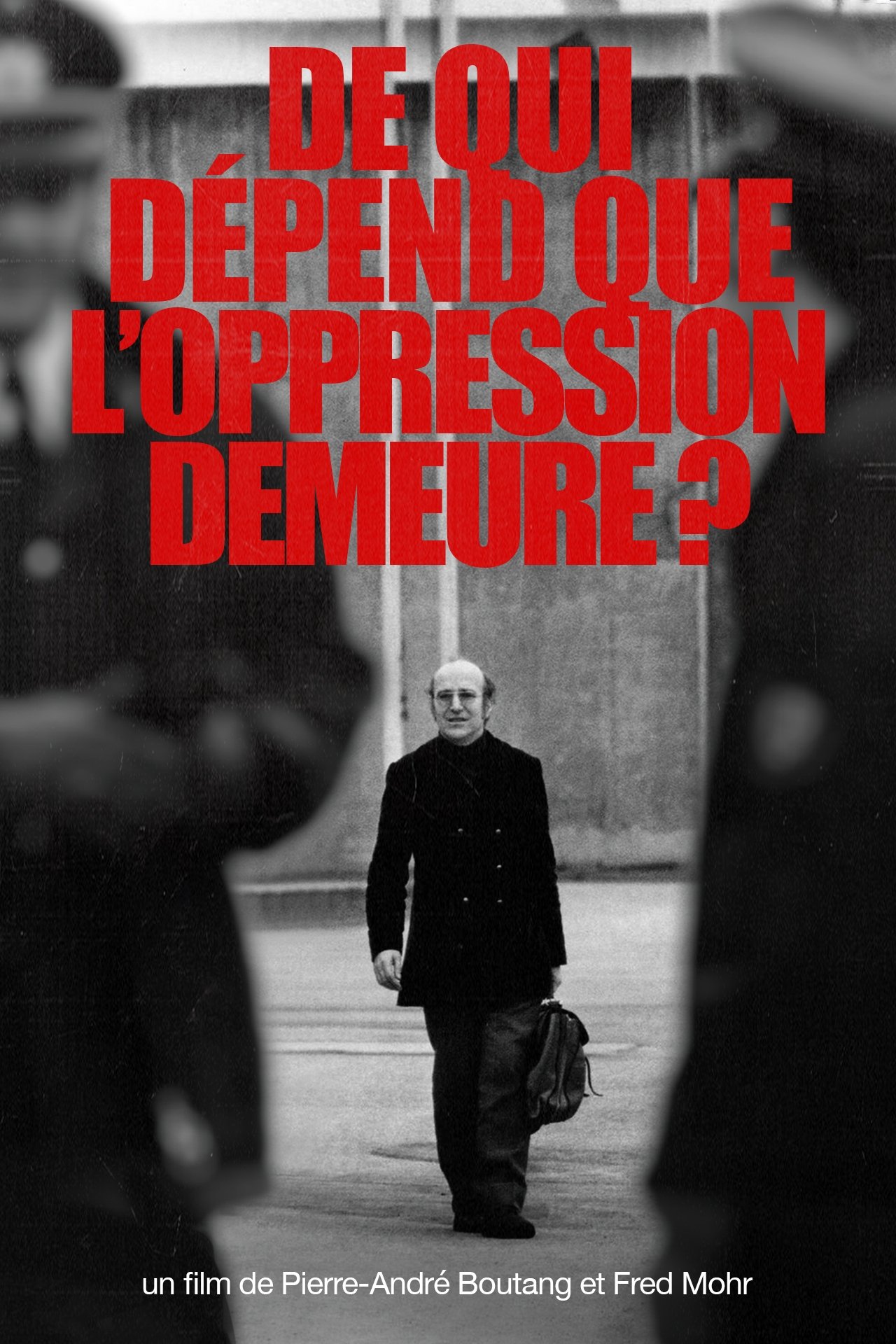
De qui dépend que l’oppression demeure ?
Documentary · History
Overview
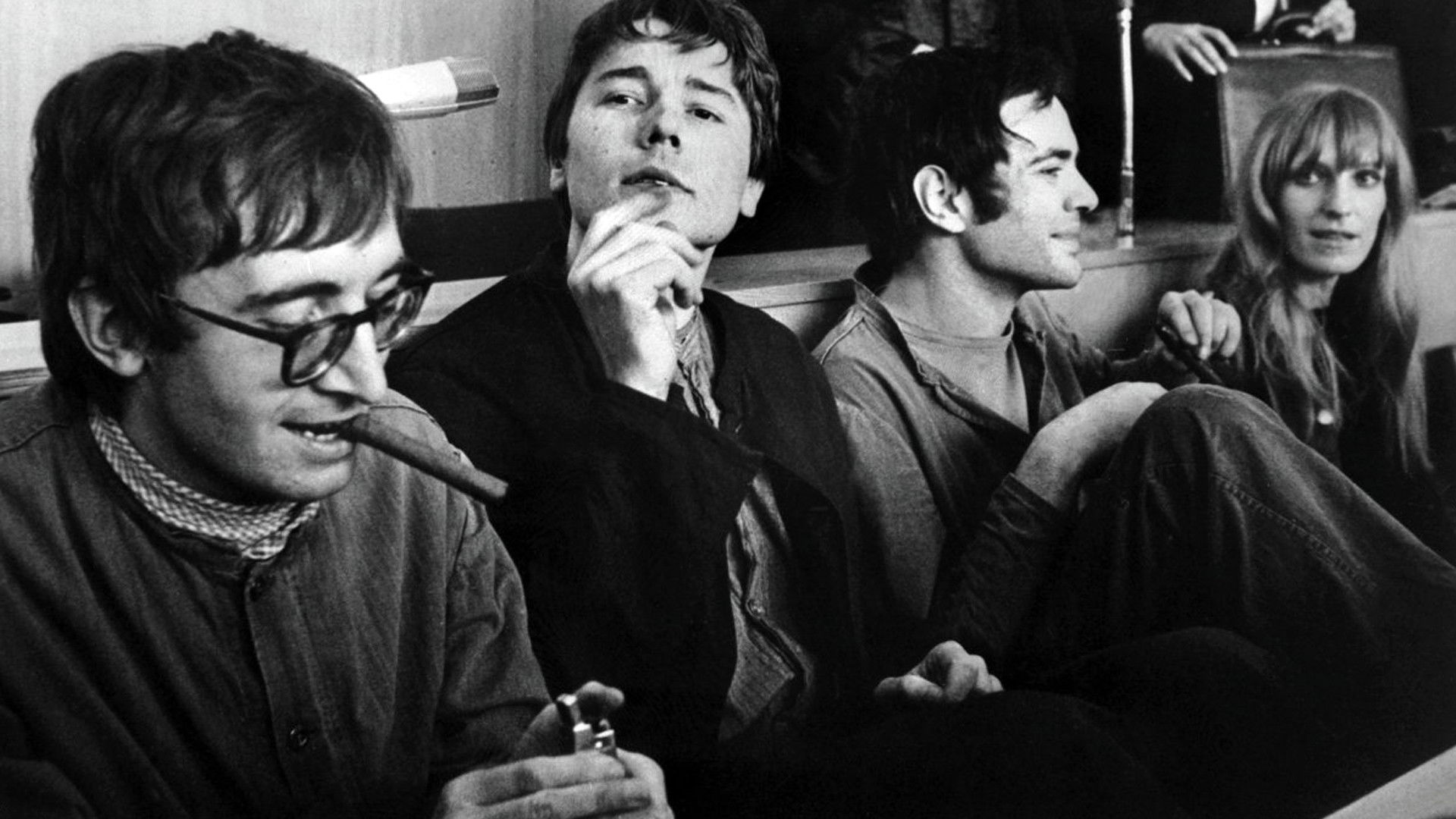
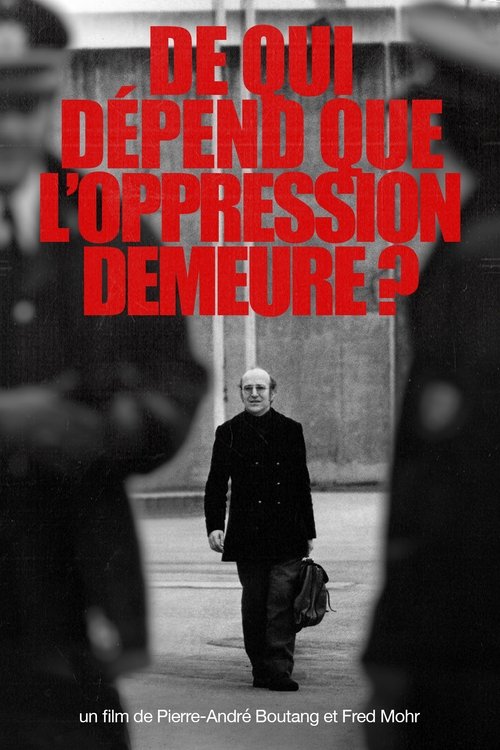
On May 21, 1975, the trial of the members of the Red Army Faction (also known as the Baader-Meinstein Gang) began. Four members appeared before the Stuttgart court to answer for the attacks that had been raging for five years in the young Federal Republic of Germany. The documentary, whose title is borrowed from Berthold Brecht's In Praise of Dialectics, recounts the conditions of the trials and detention of the Baader-Meinstein Gang members and the disqualification of Klaus Croissant as their lawyer.










Klaus Croissant
Klaus Croissant
Self
Klaus Croissant
Self

Volker Schlöndorff
Volker Schlöndorff
Self
Volker Schlöndorff
Self
Andreas Baader
Andreas Baader
Self
Andreas Baader
Self

Gudrun Ensslin
Gudrun Ensslin
Self
Gudrun Ensslin
Self
Ulrike Meinhof
Ulrike Meinhof
Self
Ulrike Meinhof
Self

Jan-Carl Raspe
Jan-Carl Raspe
Self
Jan-Carl Raspe
Self
Similar Movies
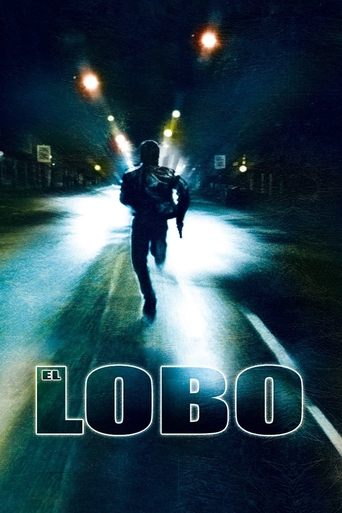
Based on a true story. In the 70s, during the last stages of Franco's dictatorship, Txema, a basque construction worker, is arrested because of his connection to some terrorists who have just committed a murder. The secret service see in him an ideal candidate to infiltrate the terrorist band ETA and become a mole, so they try to offer him a deal if he will do so.

Montreal, spring 1966. Jean Corbo, 16 years old, born to a Quebec mother and an Italian father, is torn between his two affiliations. After befriending two young far-left activists, he joined the Front de Libération du Québec, an underground radical group. Jean, from then on, marches inexorably towards his destiny.
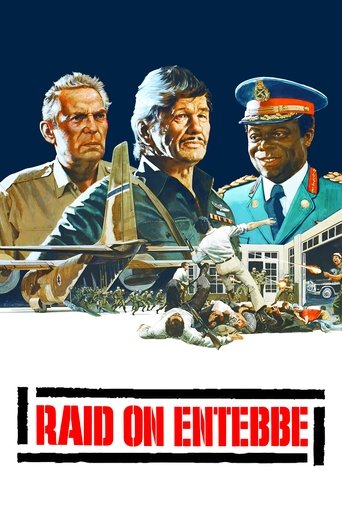
Based on a true operation by Israeli commandos. An Air France flight is hijacked by the Popular Front for the Liberation of Palestine. The airplane landed in Uganda. The terrorists released some passengers, keeping 94 Jews and 12 air crew hostage. The Israeli government would not negotiate. A rescue plan was devised, and less than 100 commandos were flown across Africa to rescue the passengers in surprisingly successful operation.
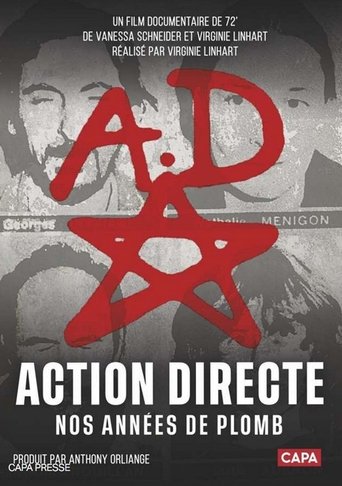
Between 1979 and 1987, a far-left group wreaked havoc across France. Robberies, bombings, assassinations. They struck hard and disappeared in a cloud of explosives, leaflets scattered in the wind, and relentless ideological demands. Their name? Action Directe. More than 80 attacks, 26 wounded, and 12 dead in less than ten years. Stunned French citizens discovered posters plastered everywhere showing portraits of these young women and men who looked like everyone else and whom nothing seemed to be able to stop. A long and intense manhunt began, culminating in the arrest of the group's leadership.
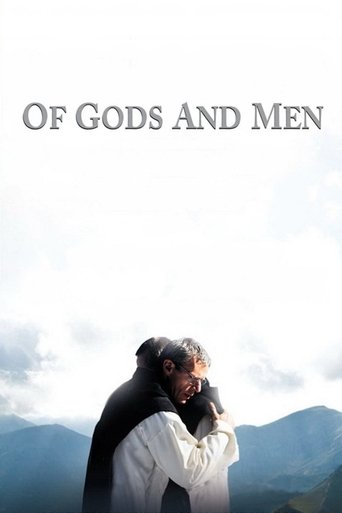
A group of Trappist monks reside in the monastery of Tibhirine in Algeria, where they live in harmony with the largely muslim population. When a bloody conflict between Algeria's army and Muslim Jihadi insurgents disrupts the peace, they are forced to consider fleeing the monastery and deserting the villagers they have ministered to. In the face of deadly violence the monks wrestle with their faith and their convictions, eventually deciding to stay and help their neighbours keep the army and the insurgents at bay.
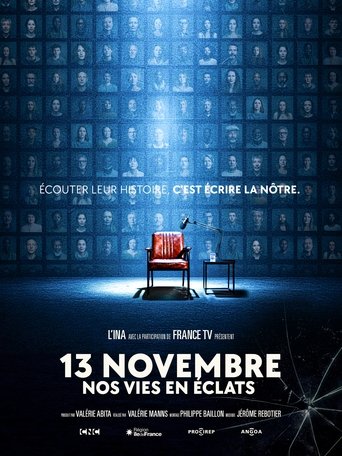
On November 13, 2015, the attacks in Paris and Saint-Denis, carried out by three Islamist commandos and claimed by ISIS, were the deadliest in France since the end of World War II. In the months that followed, the November 13 Program was launched by the CNRS and Inserm to study the construction of individual and collective memory around an event that profoundly marked French society. Today, the testimonies of 27 volunteers—among some 1,000 people—who participated in the study form a mosaic of experiences that shows how trauma extends beyond the immediate circle to permeate the national collective memory.