

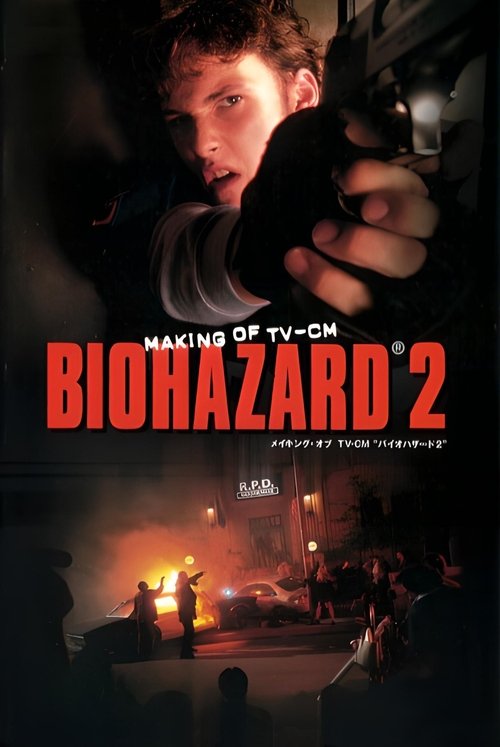
Making of Biohazard 2 TV-CM
Documentary
Overview
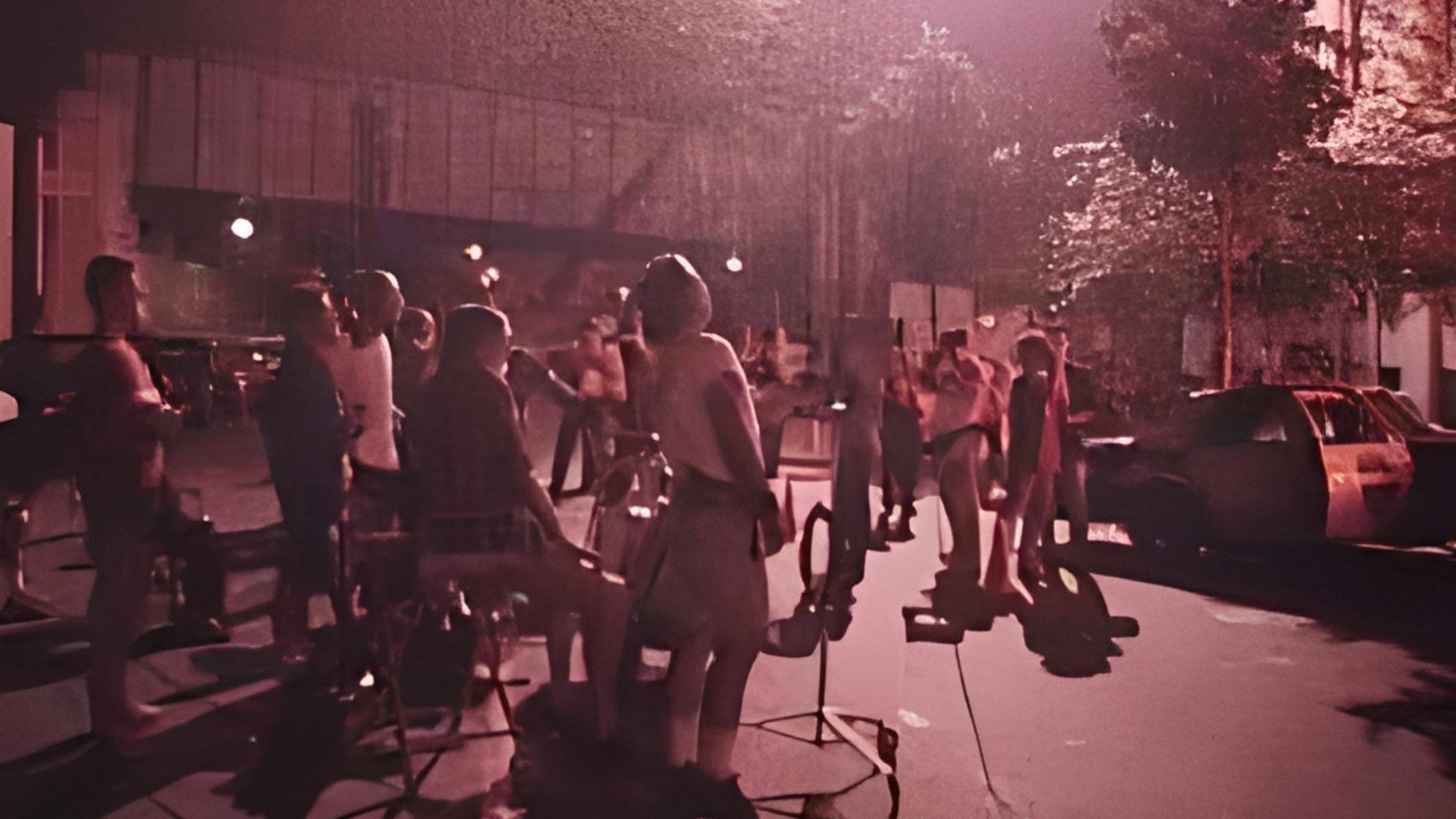
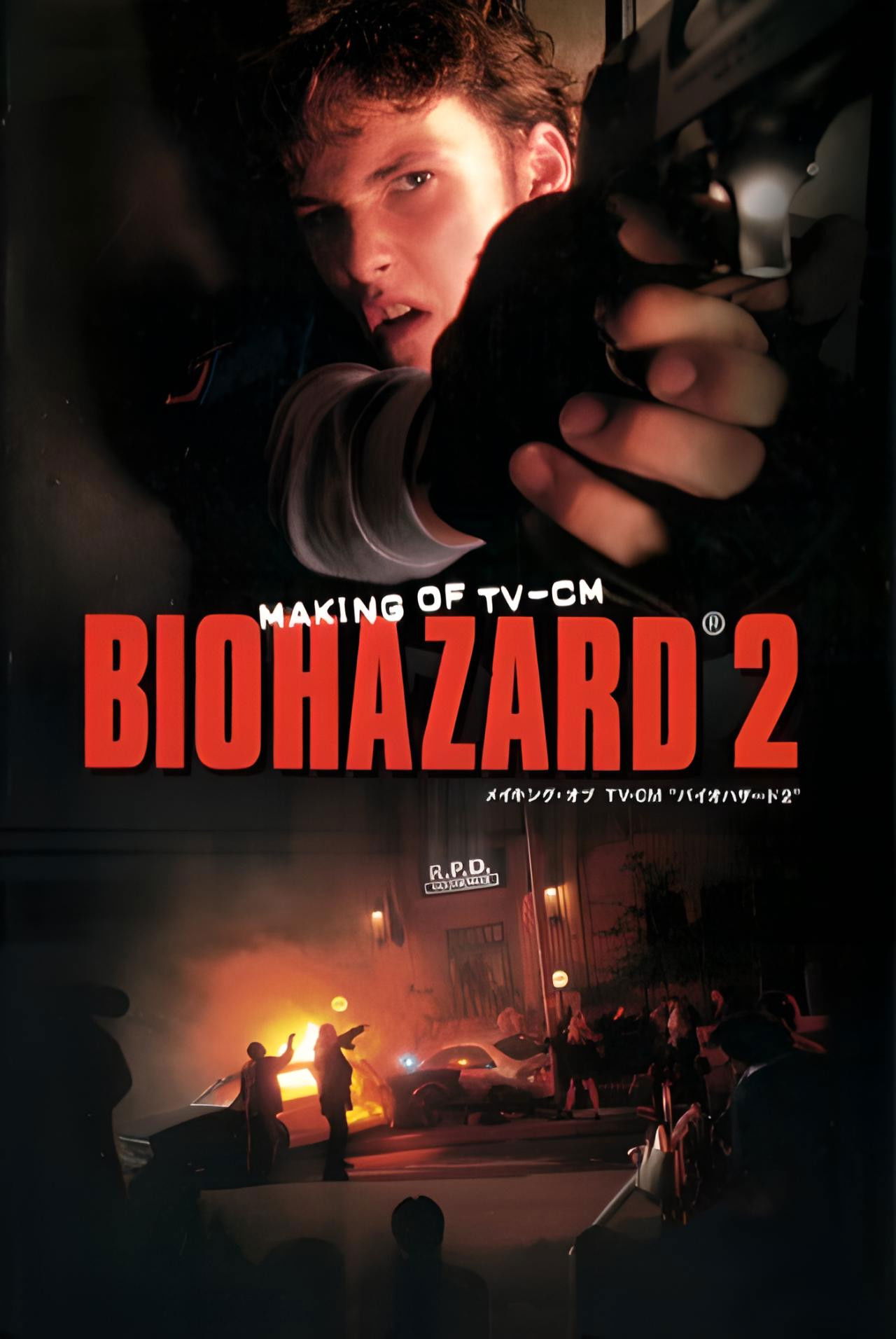
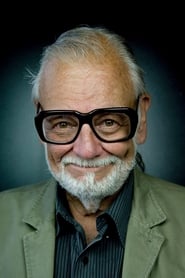
From the legendary director who redefined the zombies in film industry (George A. Romero), comes a bold new vision that blurs the line between game and horror cinema. Follow the camera behind the scenes of one of the most talked-about TV commercials ever made, created in collaboration with Brad Renfro and some of Hollywood’s top talent. Based on the world of Resident Evil, the hit survival horror game that had already terrified millions since its debut in 1996, this commercial heralds the arrival of its highly anticipated sequel. Breaking a two-year silence, director Romero returns with a haunting production of cinematic ambition. With a staggering budget of over 150 million yen (more than one million USD), the shoot took place on a chilling replica of a Los Angeles police station, transformed into the shadowy world of Raccoon City.




George A. Romero
George A. Romero
Self
George A. Romero
Self
Adrienne Frantz
Adrienne Frantz
Self
Adrienne Frantz
Self
Peter Deming
Peter Deming
Self
Peter Deming
Self
Screaming Mad George
Screaming Mad George
Self
Screaming Mad George
Self
Brad Renfro
Brad Renfro
Self
Brad Renfro
Self
Similar Movies
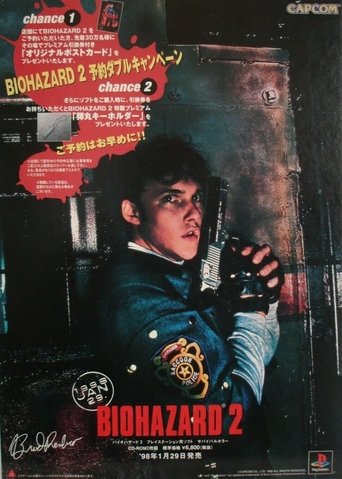
On September 29, 1998, most citizens of the Midwestern American mountain community of Raccoon City were transformed into zombies by the T-virus. Leon S. Kennedy, a Raccoon Police Department officer on his first day of duty, meets Claire Redfield, a college student looking for her brother Chris.
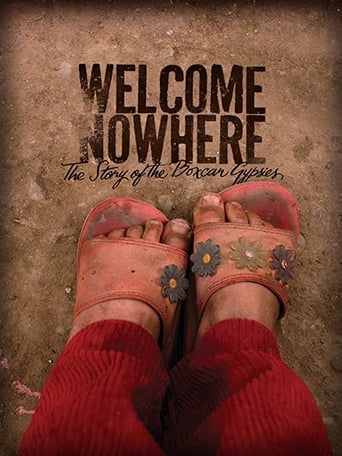
Narrated by Ethan Hawke, Welcome Nowhere tells the true story of a community of Roma people (commonly known as Gypsies) who live in old train boxcars in Sofia, Bulgaria after being forcibly evicted from their homes. Without bathrooms for more than 200 people, they struggle to survive, waiting for help from the government that never seems to come.
In 1967 Canadian filmmaker Hugh O'Connor came with a crew to eastern Kentucky to make a film showing people from all walks of life in the United States. They finished the day by filming coal miners and their families in rental houses. As the filmmakers were leaving, Hobart Ison, the owner of the property, drove up and fired three shots, killing Hugh O'Connor. Elizabeth Barrett, from Kentucky herself, explores why this happened by trying to understand the people and culture of eastern Kentucky.
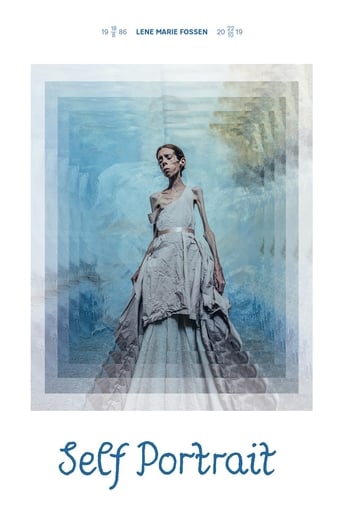
The documentary is a portrait of an artist and a portrait of a deadly disease. Lene Marie Fossen was a gifted photographer who suffered from severe anorexia. Self Portrait is a film about the power of art and survival, but it also raises important questions about what treatment one who suffers from severe anorexia needs.