

And Still I Rise
Documentary
Overview
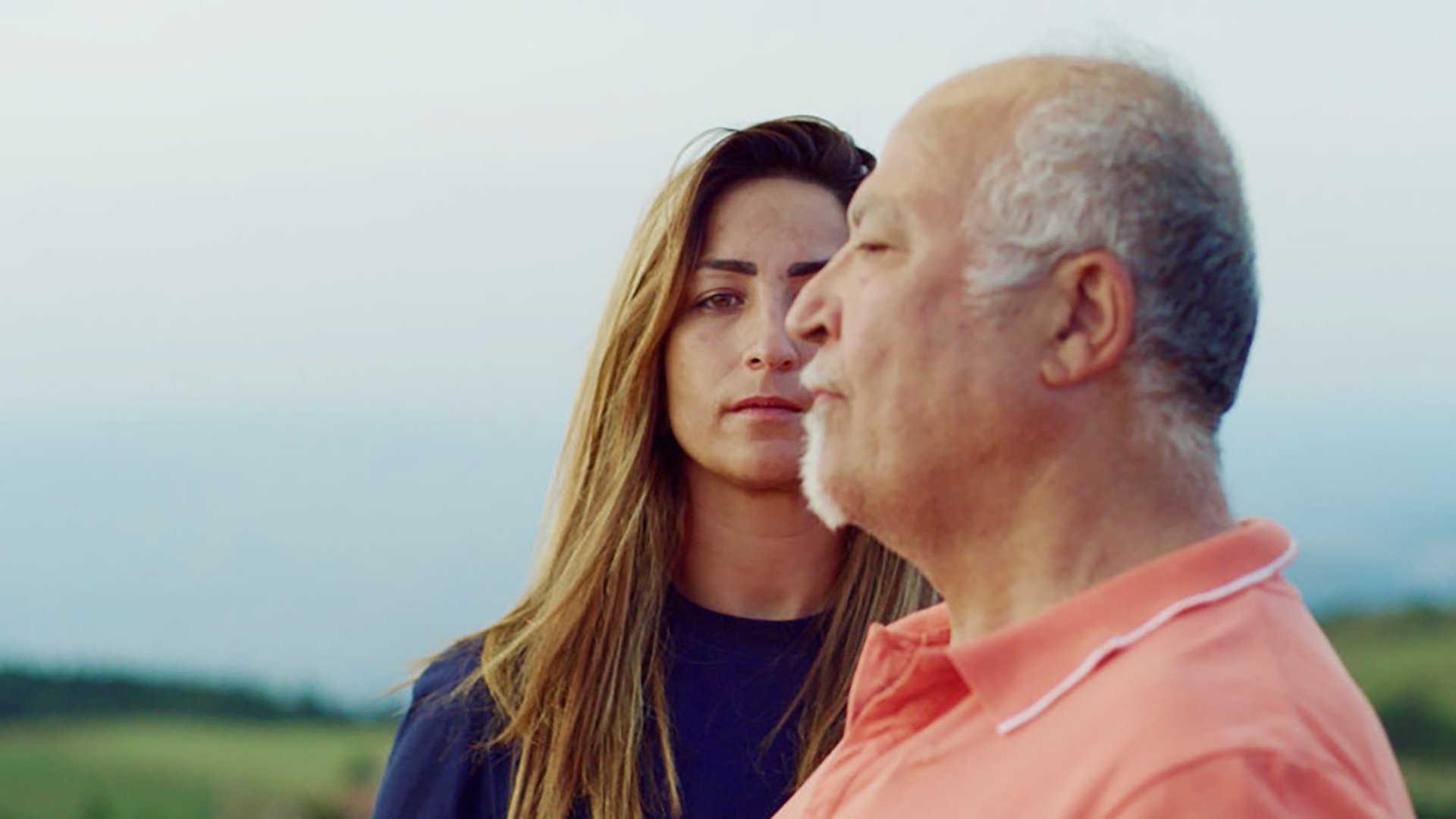
Aravane Rézaï hates tennis. Yet, at the age of 23, she won the Madrid Open, one of the most prestigious tournaments in the world. She bested some of the biggest names in women's tennis, including Venus Williams, Justine Henin, and Marion Bartoli. The road to being named world champion was open to her. Then, at 24, she disappeared from the circuit overnight. Today, Rézaï is 37 and making a comeback, aiming to return to the world's top 10. To get there, she has called on her old coach: her father, the man behind her past success—and suffering. Through the prism of this sporting challenge, And Still I Rise examines the relationship between a father and his daughter, and her ability to achieve emancipation.
Top Cast








Aravane Rézaï
Aravane Rézaï
Self
Aravane Rézaï
Self
Arsalan Rezaï
Arsalan Rezaï
Self
Arsalan Rezaï
Self
Similar Movies

"Renee" tells the story of Renee Richards' battle to enter the 1977 U.S. Open as the first transgender tennis player. Simultaneously, it follows her today as she struggles to cope with a life of contradictions and personal conflict. Through interviews with tennis legends, family, friends and experts from the transgender field, a story of perseverance, breakthrough and hardship unfolds.

One of the leading lights in men’s tennis, Jannik Sinner has earned the respect of his peers and fans for his work ethic and dedication to constantly improve. In “The Return”, part of an exclusive documentary series about the Rolex family, the multiple Grand Slam® champion discusses the focus and determination it takes to return from an extended absence and remain a force in the game.
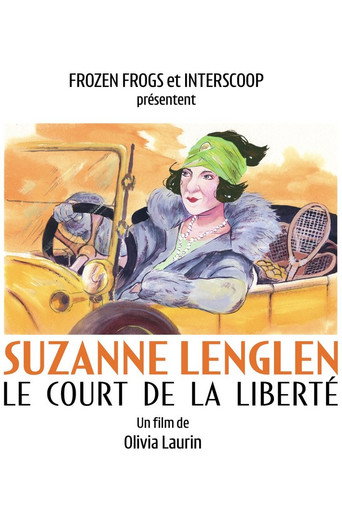
Having won 250 tournaments, including 83 without losing a single game, 3 Olympic medals, 6 Wimbledon titles and only suffered 7 defeats, Suzanne Lenglen (1899-1938) left an indelible mark on world tennis. Away from the court, the French tennis player was also a feminist icon and talented writer.
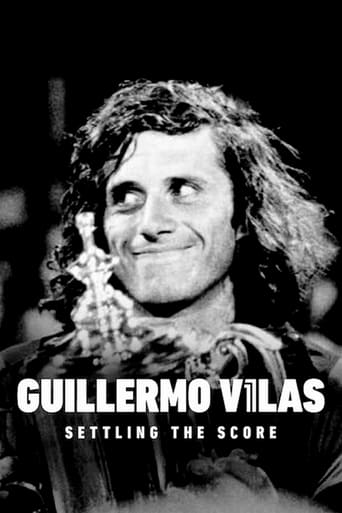
For more than forty years, Argentinean sportsman Guillermo Vilas, a tennis legend, has tirelessly demanded that the official rankings (1973-78) be revised in order to finally be recognized as the best player in the world. Eduardo Puppo, a sports journalist, making Vilas' demand his own, fought for more than ten years against a powerful sports corporation to prove that Vilas was indeed unfairly displaced from the top of world tennis.