

Surviving Cyclones
Documentary
Overview
Using film footage shot by the Genevese film director, Fernand Reymond, in Bangladesh in 1972, this documentary film describes the cyclone prevention programme drawn up by the governmental authorities and the League of Red Cross Societies. It particularly depicts the cyclone warning system set up to protect the population. (League Film Library Catalogue Supplement No. 2, p. 39)








No cast information.
Similar Movies
The river Yamuna, known to the locals as 'Jamna', the lifeline of Delhi, is going through a major crisis due to pollution, mismanagement and sheer ignorance. A documentary crew tries to make sense of the situation by talking to different stakeholders and Shyam - a boatman who relies on the river for his livelihood.
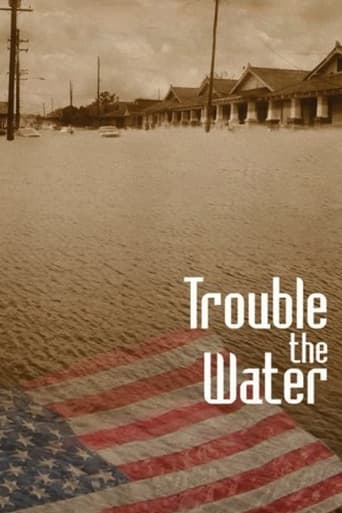
"Trouble the Water" takes you inside Hurricane Katrina in a way never before seen on screen. The film opens the day before the storm makes landfall--just blocks away from the French Quarter but far from the New Orleans that most tourists knew. Kimberly Rivers Roberts, an aspiring rap artist, is turning her new video camera on herself and her Ninth Ward neighbors trapped in the city. Weaving an insider's view of Katrina with a mix of verité and in-your-face filmmaking, it is a redemptive tale of self-described street hustlers who become heroes--two unforgettable people who survive the storm and then seize a chance for a new beginning.
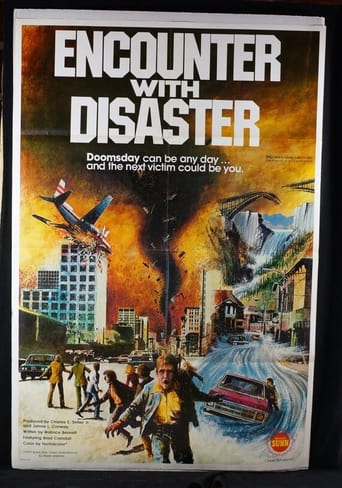
Depicts assorted natural and human disasters, including the crash of the Hindenburg (1937), earthquakes in Alaska (1964) and Long Beach (1933), the LeMans auto racing crash at which 82 people were killed (1955), Hurrican Camille (1964), the eruption of the Mt. Etna volcano (1971), a tornado (1974), the collapse of Idaho's Teton Dam (1976), the sinking of the Andrea Doria (1956) and the Texas City explosion which devastated Galveston (1947).
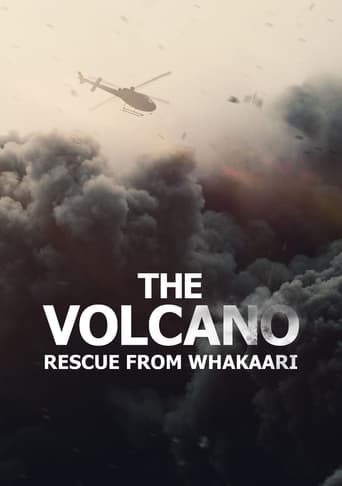
A close examination of the Whakaari / White Island volcanic eruption of 2019 in which 22 lives were lost, the film viscerally recounts a day when ordinary people were called upon to do extraordinary things, placing this tragic event within the larger context of nature, resilience, and the power of our shared humanity.