

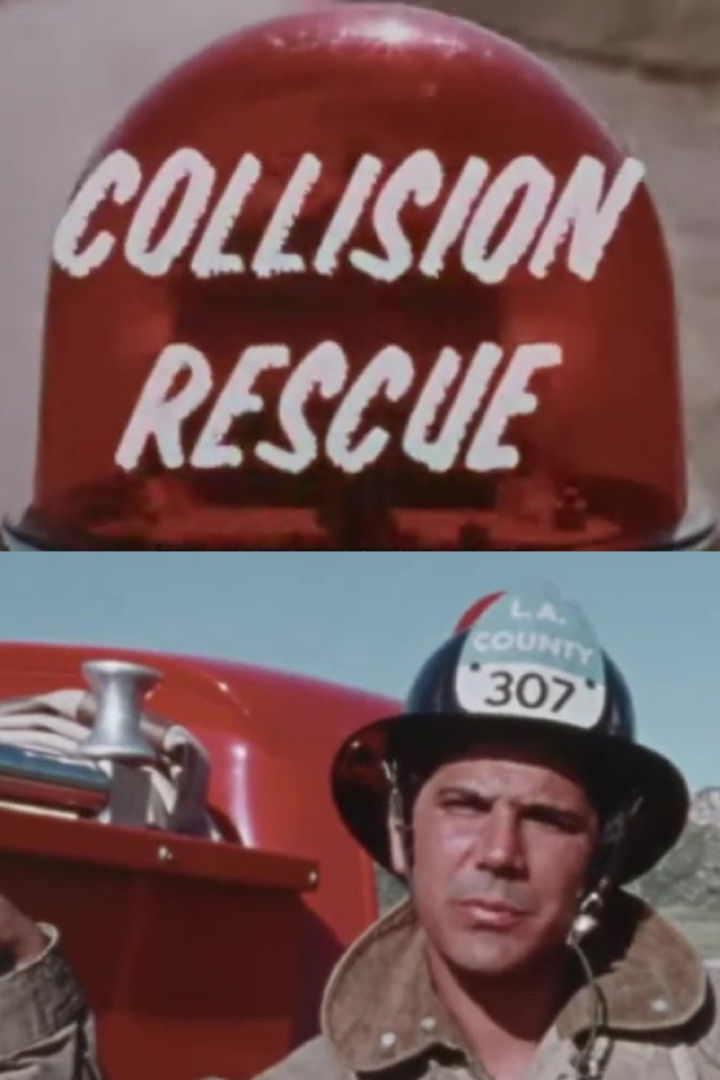
Collision Rescue
Documentary
Overview
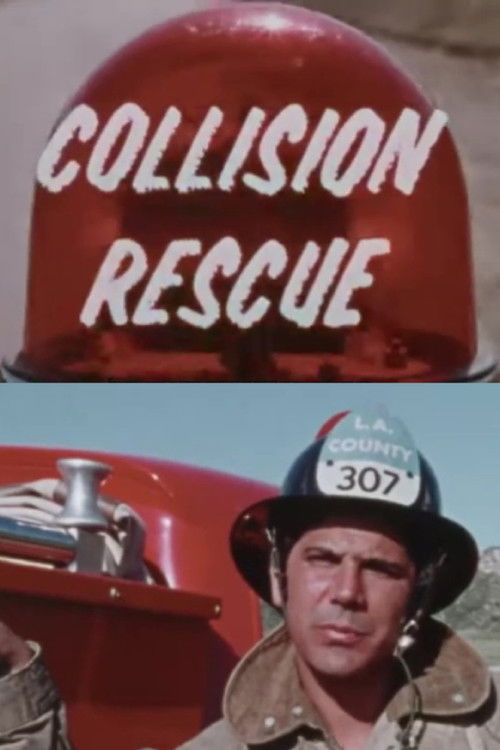
When two parties get in a head-on collision, it's up to emergency services to free them from the wreckage. What follows is a demonstration of what their job and duties entail.




No cast information.
Similar Movies
After a deadly plane crash strands four young siblings deep within the Colombian rainforest, a dramatic rescue mission unfolds, uniting Indigenous trackers and the military in a race against time. For the first time ever, this documentay offers the exclusive account of this incredible true story directly from the children themselves and the rescuers who scoured the Amazon rainforest for a grueling 40 days and nights to find them.
For the past ten years, Jürgen Henn has filmed over-height trucks crashing into the 11foot8 train bridge affectionately nicknamed the "Can Opener." In that time, millions have viewed the crashes online. Regional, national, and international news organizations have dined out on the story and the goofy crash reels. But why do motorists continue to crash despite the many warnings, sensors, and signs? And what is it about these crashes that holds our attention? In this piece, we look for the humanity in human error.
"1985: Heroes among Ruins" is a reflection of disaster. It is about the human solidarity, the search and rescue and the importance of civil protection, but above all, the triumph of the people over devastation during the earthquake of September 19, 1985 in Mexico City and the one ocurred in September 19, 2017.
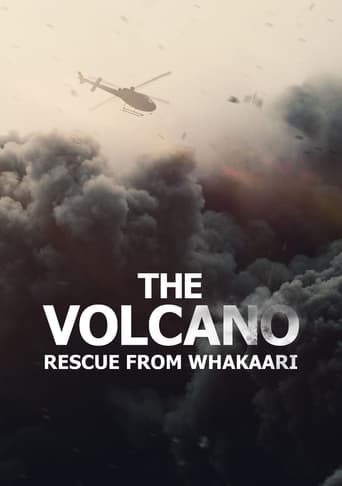
A close examination of the Whakaari / White Island volcanic eruption of 2019 in which 22 lives were lost, the film viscerally recounts a day when ordinary people were called upon to do extraordinary things, placing this tragic event within the larger context of nature, resilience, and the power of our shared humanity.
The film features a meeting led by Dave Taylor, the shelter manager, discussing the protocols and responsibilities for staff members involved in managing a public shelter. Key participants, including operations deputy Harvey Johnson and health leader Mrs. Carter, outline their roles in ensuring a smooth entry for occupants during an emergency. The meeting emphasizes the importance of organization, communication, and the distribution of supplies. Staff members are encouraged to familiarize themselves with each other's duties and prepare for potential scenarios, including managing newcomers and ensuring safety and sanitation within the shelter.
Created in 1963 at the height of the Cold War, this Civil Defense training film uses a dramatic premise to show how emergency staff should manage and organize a large public fallout shelter during a crisis. A Shelter Manager is shown immediately taking control of the situation in the shelter, speaking calmly to those who have made it into the facility, closing the door promptly once the shelter is full, and sticking to the "shelter plan" as the situation unfolds. Some of the areas discussed in this nuclear war drama are the safety plan, regular inspections, supervised public entry into shelters, ventilation, first aid, sanitation, fire prevention, decontamination of personnel, and more. "Shelter living is different," the Manager states, "But we have a trained staff that will make your stay in this shelter livable for us all."
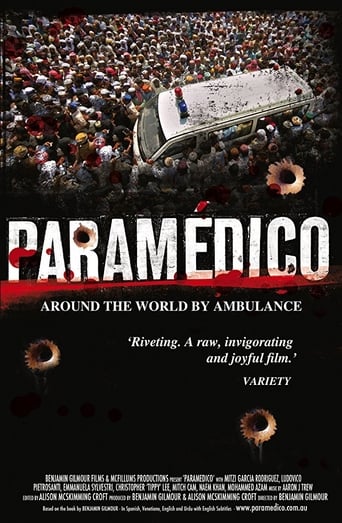
Paramedico is an observational documentary following emergency ambulance workers in four diverse locations Mexico, Pakistan, Venice and Hawaii. The camp, military style of Pakistans rescue teams, with their marching and theatrical disaster exercises are a world away from the relaxed beachside work of the Hawaiians who stop for ice-cream at every turn. On the other side of the globe, above the romantic canals of Venice, ambulance doctors and nurses watch a generation of old Venetians quietly die as tourists pass below. Meanwhile, Mexican paramedics put their mind off the terror of the countrys drug war with their on-station games and madcap antics.
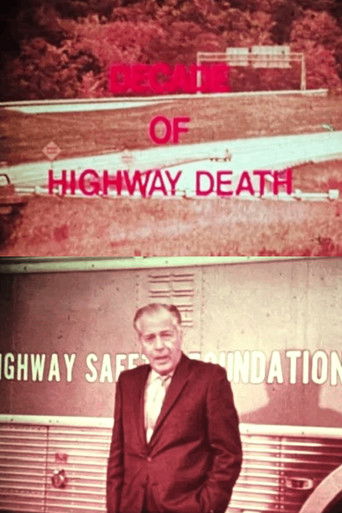
This highway scare film produced by the Highway Safety Foundation in 1971, "Decade of Death", is a retrospective of the organization's 10 years of gory, shocking social guidance films which aimed to promote traffic safety and driver responsibility through the display of bloody and horrific footage of traffic crashes.The Highway Safety Foundation made driver scare films such as "Signal 30," "Mechanized Death," and "Highways of Agony" that intended to encourage drivers to drive responsibly and with consideration of the risks and consequences. It was the organization's belief that crash footage, while horrific, was the best way to convey the importance of driving safely.