

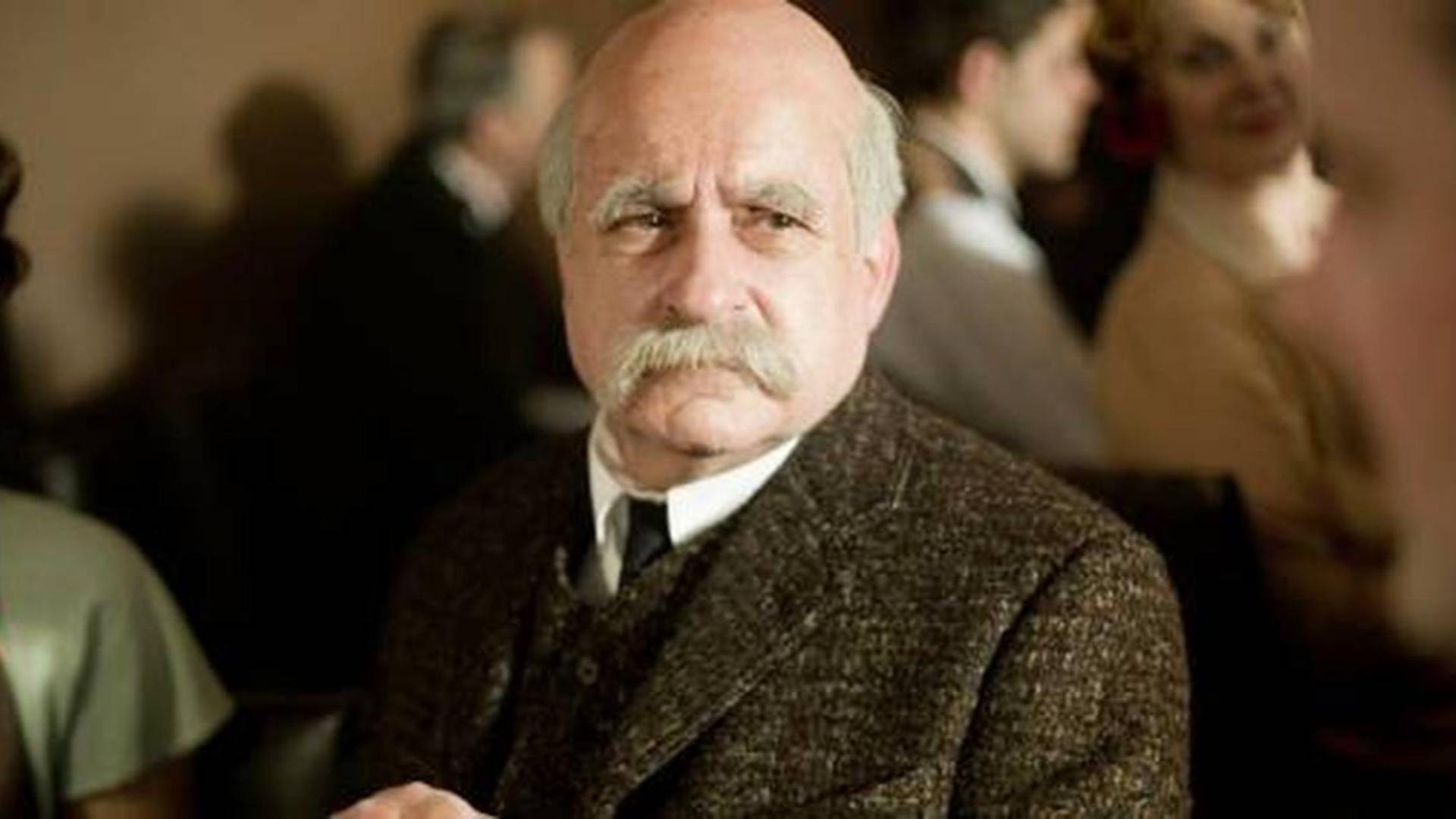
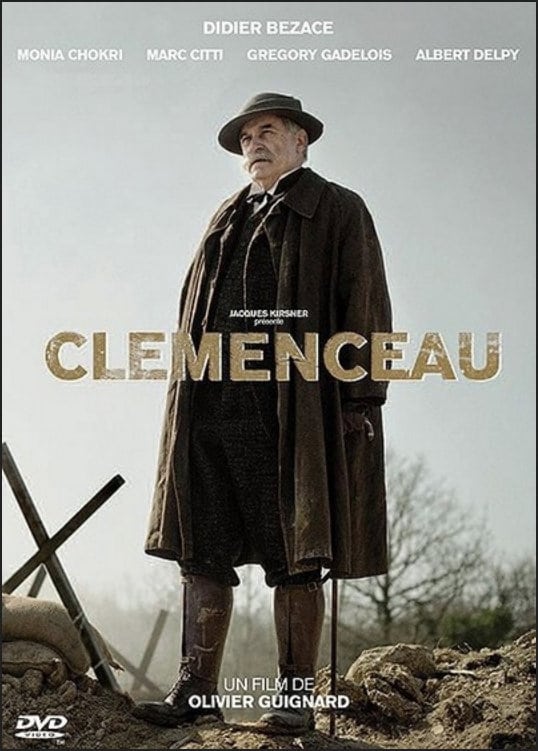
Clemenceau
History · TV Movie · War
Overview
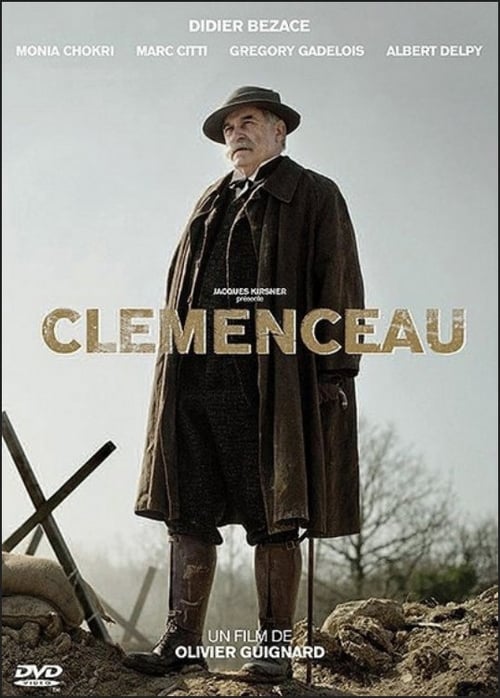
1917, German troups are moving forward to Paris, the French government calls a providential man : Clémenceau.
Top Cast

Didier Bezace
Georges Clemenceau

Monia Chokri
Charlotte Beauséjour

Marc Citti
Georges Mandel

Thierry Gibault
Henri Mordacq
Grégory Gadebois
Georges Wormser
Albert Delpy
Claude Monet

Jacques Bonnaffé
Raymond Poincaré
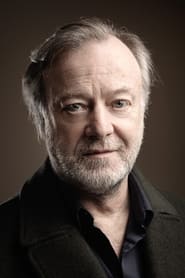
Pascal Elso
Paul Deschanel

Daniel Martin
Philippe Pétain

Laurent Manzoni
Aristide Briand

Philippe Duclos
Aristide Briand







Didier Bezace
Didier Bezace
Georges Clemenceau
Didier Bezace
Georges Clemenceau
Monia Chokri
Monia Chokri
Charlotte Beauséjour
Monia Chokri
Charlotte Beauséjour
Marc Citti
Marc Citti
Georges Mandel
Marc Citti
Georges Mandel
Thierry Gibault
Thierry Gibault
Henri Mordacq
Thierry Gibault
Henri Mordacq
Grégory Gadebois
Grégory Gadebois
Georges Wormser
Grégory Gadebois
Georges Wormser
Albert Delpy
Albert Delpy
Claude Monet
Albert Delpy
Claude Monet
Jacques Bonnaffé
Jacques Bonnaffé
Raymond Poincaré
Jacques Bonnaffé
Raymond Poincaré
Pascal Elso
Pascal Elso
Paul Deschanel
Pascal Elso
Paul Deschanel
Daniel Martin
Daniel Martin
Philippe Pétain
Daniel Martin
Philippe Pétain
Laurent Manzoni
Laurent Manzoni
Aristide Briand
Laurent Manzoni
Aristide Briand
Similar Movies
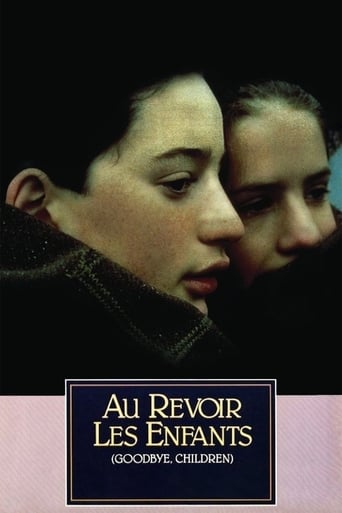
Au revoir les enfants tells a heartbreaking story of friendship and devastating loss concerning two boys living in Nazi-occupied France. At a provincial Catholic boarding school, the precocious youths enjoy true camaraderie—until a secret is revealed. Based on events from writer-director Malle’s own childhood, the film is a subtle, precisely observed tale of courage, cowardice, and tragic awakening.
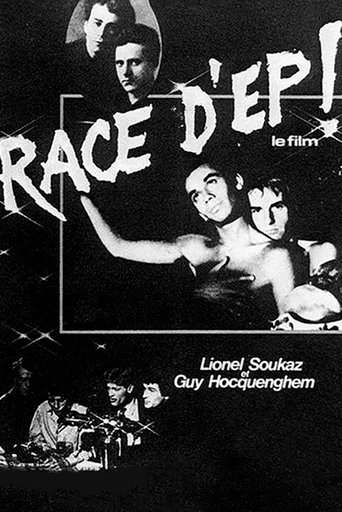
"Race d’Ep!" (which literally translates to "Breed of Faggots") was made by the “father of queer theory,” Guy Hocquenghem, in collaboration with radical queer filmmaker and provocateur Lionel Soukaz. The film traces the history of modern homosexuality through the twentieth century, from early sexology and the nudes of Baron von Gloeden to gay liberation and cruising on the streets of Paris. Influenced by the groundbreaking work of Michel Foucault on the history of sexuality and reflecting the revolutionary queer activism of its day, "Race d’Ep!" is a shockingly frank, sex-filled experimental documentary about gay culture emerging from the shadows.
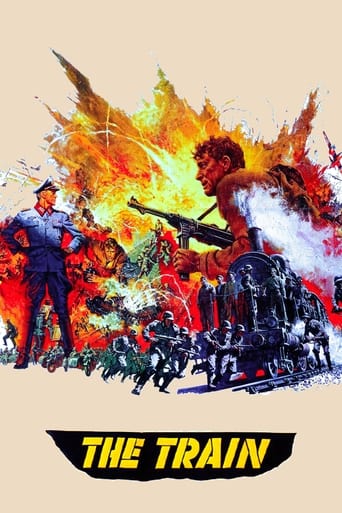
As the Allied forces approach Paris in August 1944, German Colonel Von Waldheim is desperate to take all of France's greatest paintings to Germany. He manages to secure a train to transport the valuable art works even as the chaos of retreat descends upon them. The French resistance however wants to stop them from stealing their national treasures but have received orders from London that they are not to be destroyed. The station master, Labiche, is tasked with scheduling the train and making it all happen smoothly but he is also part of a dwindling group of resistance fighters tasked with preventing the theft. He and others stage an elaborate ruse to keep the train from ever leaving French territory.
Homo Cinematographicus is a human species whose unit of measurement and point of reference is the cinema and its derivative, television. Filmed at the 1998 Cannes Film Festival, the film offers an unspecified number of statements, talking about memories and a thousand fragments of stories, titles and film scenes, the warp of a gigantic collective Chanson de geste.
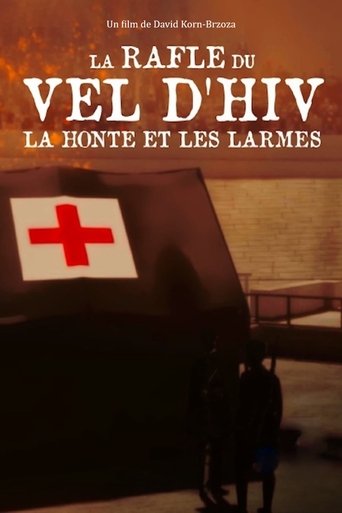
In 1942, more than 8,000 Jews were arrested on 16 and 17 July and sent to the Vélodrome d'Hiver sports center in the 15th district, a stone's throw from the Eiffel Tower, before being deported. The expression "Vel d'Hiv round-up" has become part of our collective memory, to the point of becoming the main memorial reference point for France during the dark years. Based on research carried out in unpublished or rarely explored archives, this film retraces the history of this roundup as experienced by hunted Jews and police trackers, from its planning in the Vichy offices to its hour-by-hour unfolding in the streets of Paris.