

Your Chance to Live: Nuclear Disaster
Documentary
Overview
Portrays the challenges of creating a film about nuclear disaster amid public apathy. It captures behind-the-scenes moments as the crew discusses the gravity of nuclear threats, the importance of preparation, and the emotional impact of a nuclear attack. The narrative emphasizes the need for individuals to take responsibility for their safety and community in the event of an attack, blending factual information with a call to action.

No cast information.
Similar Movies
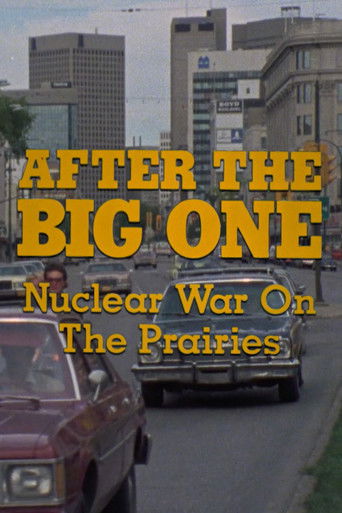
This film deals straightforwardly with the consequences of a nuclear attack for the Canadian Prairies. The Prairies are singled out because of their proximity to huge stockpiles of intercontinental ballistic missiles located in North Dakota. Scenes include a visit to a missile base and to an emergency government bunker in Manitoba. A doctor, a farmer and a civil defence coordinator provide different perspectives on nuclear war. Although the film focuses on one region, it provides a model for people everywhere who would like to know more about their own situation but don't know what questions to ask.
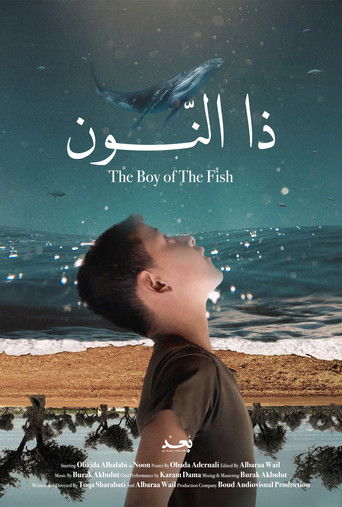
"The Boy Of The Fish" follows Noon, a young boy living in a Syrian refugee camp, who finds solace and a sense of freedom in a whale-shaped doll he names "Bahr." Set against the challenging realities of camp life, Noon’s journey is both a story of resilience and a testament to the boundless imagination of childhood. Through vivid symbolism and a unique soundscape, the film explores themes of loss, hope, and the longing for freedom amidst confinement. Shot entirely on an iPhone due to restrictions in the conflict zone, the film combines raw authenticity with poetic depth to capture the emotional landscape of a young soul navigating adversity.
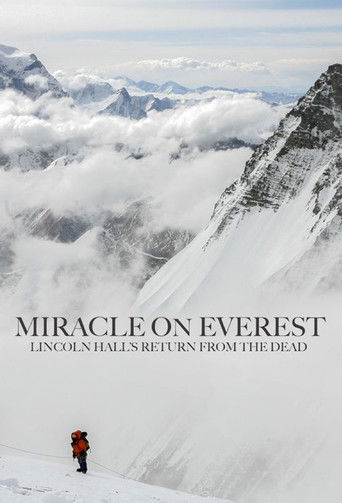
2006 was one of the deadliest Everest seasons on record. Experienced mountaineer Lincoln Hall was invited to join an expedition as a high altitude cameraman. It was his second attempt to summit the mountain, having turned back just short 22 years earlier. Shortly after reaching the summit, Hall began to behave irrationally, suffering from lack of oxygen. Aided by his loyal Sherpas for over 9 hours, he eventually collapsed and they declared him dead. His family were informed and the news hit headlines. But something happened that night that science cannot explain. The next morning Lincoln Hall was found alive by approaching climbers and his dramatic rescue began. Never before has a man been declared dead so high on Everest and survived. This is the remarkable true story of Lincoln Hall’s extraordinary journey back from beyond.
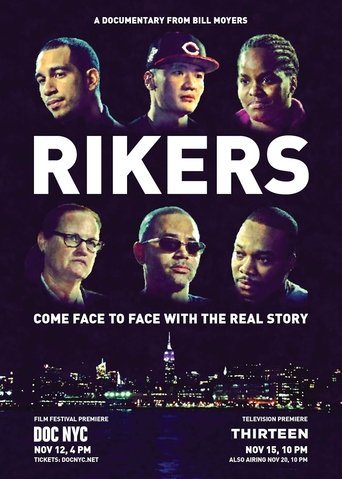
This film from Bill Moyers is the first documentary to focus exclusively on people formerly detained in New York City’s notorious Rikers Island Jail. They tell their compelling stories direct to the camera, revealing the violent arc of the Rikers experience – from the trauma of entry to extortion and control by inmates, to oppressive corrections officers, violence and solitary confinement.
The love story of successful businessman Alexei and young doctor Dimitri unfolds against the backdrop of Russia’s escalating anti-LGBTQ laws and the invasion of Ukraine. Meeting in secret during COVID lockdowns, the couple faces criminalization, police raids, and the looming threat of being sent to the front line. Their fight for freedom takes them across three continents in a desperate bid to live authentically and without fear. First-person testimony is blended with striking animation and dramatic reenactments.

On April 17, 1975, the face of Cambodia would forever be changed. As Khmer Rouge soldiers marched into the capital city of Phnom Penh, the unsuspecting people of Cambodia had little idea they would be forced into a living nightmare that would last nearly four years. Rain Falls From Earth is a story of courage, a story of survival and a story of eventual triumph over the Communist regime that was responsible for the deaths of over two million people. The voices of many Cambodians are heard as they convey their thoughts, ideas and emotions - the very things they were forced to abandon in the "killing fields" of Cambodia. Their stories are an eyewitness account to genocide.