

MEMORY-LIKE: An Oral History of QueerFest
Documentary · History
Overview
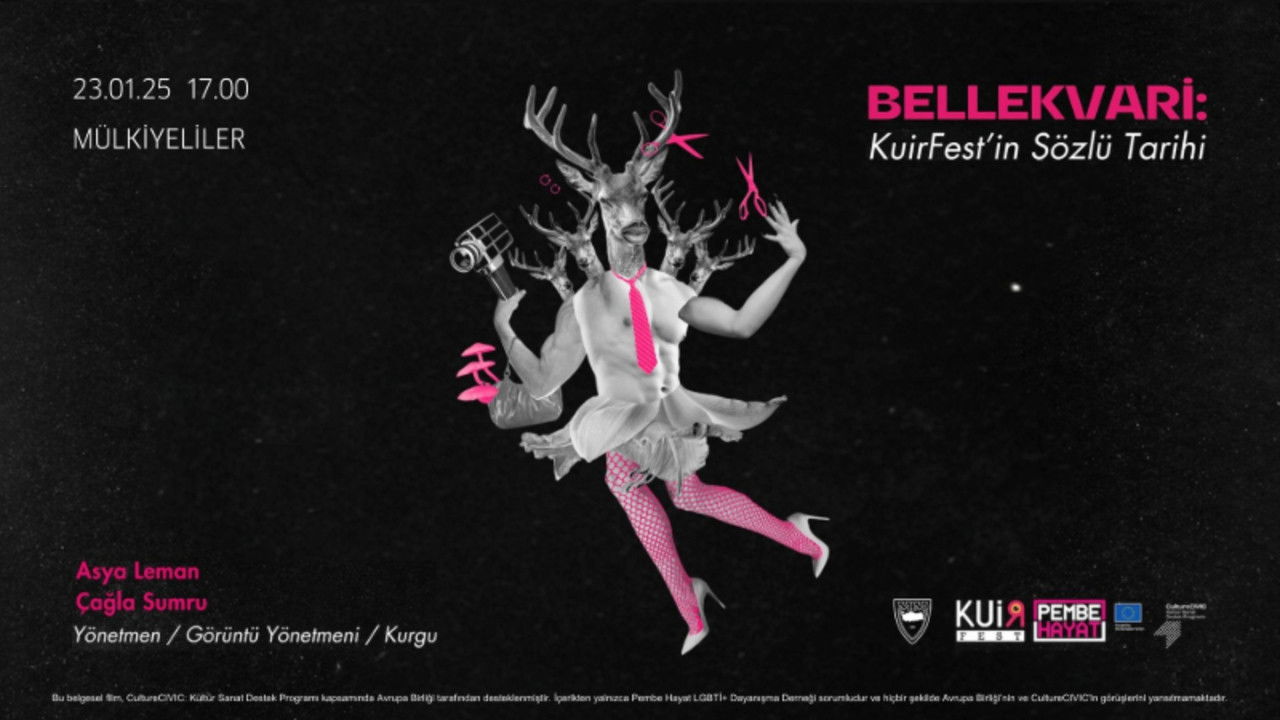
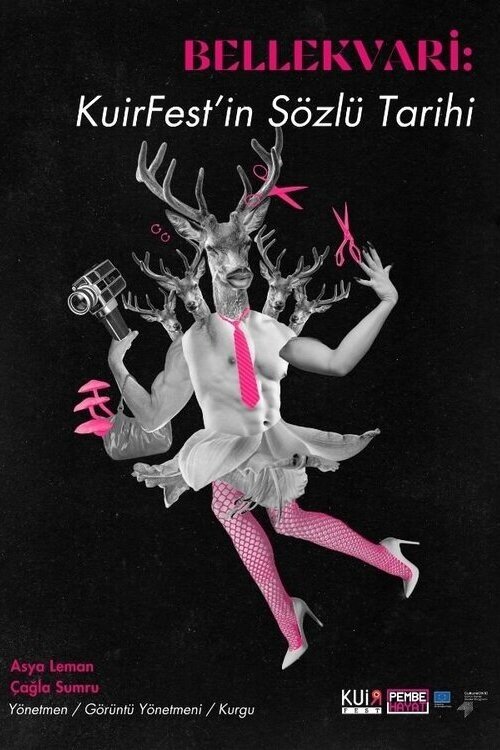
The documentary focuses on the story of QueerFest, the first and only LGBTI+ film festival in Turkey, which has been organized in Ankara since 2011. Through interviews with the founders of QueerFest, volunteers and staff who have contributed to the festival, the 14-year journey of the festival and the culture and arts landscape shaped by Turkey's political climate are told. QueerFest's self-organizational connection with the Pink Life Association, its connection with the “lubunya” (queer community) of Ankara and the cultural capital it inherited from there, is transformed into a powerful political voice by developing the practice of mobilizing through art. Since 2017, the festival has continued its resistance against the bans and heavy censorship obstacles every year and opens a space for many queer people living in Turkey who are interested in the field of culture and art and want to produce in this sphere.
Top Cast





Bilge Taş
Bilge Taş
Bilge Taş
Müge Atala
Müge Atala
Müge Atala
Koray Özbal
Koray Özbal
Koray Özbal
Similar Movies
Benoît built his paradise hidden from view, emancipated in his own way, resolved to face the constraints of a space which, in imaginations, conflicts with his identity. The countryside. One day, he and other queers from the area decide to organize the first Pride of the Périgord vert, because it is time to come out, to take up space to celebrate, heal, and finally open a path.
Two drag queens living in a place where homophobia and transphobia are common open their hearts to the world, revealing the human being behind the makeup and wigs. They share the reality of drag as an art form and what it means to move forward as part of the LGBTTTI+ community in a Latin American context.
Letter Beyond the Walls reconstructs the trajectory of HIV and AIDS with a focus on Brazil, through interviews with doctors, activists, patients and other actors, in addition to extensive archival material. From the initial panic to awareness campaigns, passing through the stigma imposed on people living with HIV, the documentary shows how society faced this epidemic in its deadliest phase over more than two decades. With this historical approach as its base, the film looks at the way HIV is viewed in today's society, revealing a picture of persistent misinformation and prejudice, which especially affects Brazil’s most historically vulnerable populations.
Art Johnston and Pepe Peña are civil rights leaders whose life and love is a force behind LGBTQ+ equality in the heart of the country. Their iconic gay bar, Sidetrack, has helped fuel movements and create community for decades in Chicago's queer enclave. But, behind the business and their historic activism exists a love unlike any other.
A BBC News investigation has revealed how violent criminal gangs are finding, abusing and extorting people from the LGBT community they meet online in Egypt. Using masking technology to hide the identities of the people he meets, Ahmed Shihab-Eldin navigates the complex online and real-life world of people who identify as queer and who have been repeatedly targeted by a gang with violent viral video humiliations and police arrests.
UCLA Student Film, Preserved by the UCLA Film and Television Archive. Documentary from Community Video Center San Diego about the Gay Rights March on Washington D.C. on October 14, 1979. Interviews include representatives from the Greater San Diego Business Association, San Diego Democratic Club, Senate for Social Services, and Gay Alliance for Equal Rights, a mother advocating her gay son's rights and creator of a parents activist group in Orange County, Allen Ginsberg, and Gay Mormons, as well as other attendees of the march. Interviewees speak about gay rights, equal protection under the law, and end to discrimination against gay people.
Set against the backdrop of the repeal of the "Don't Ask, Don't Tell" policy, the film chronicles the journey of Lt. Col. Linda Campbell, an Air Force veteran who grappled with hiding her true self during her service tenure. While the national policy shift towards LGBTQ+ rights marks a progressive era, Linda's personal story serves as a powerful testament to the individual battles fought in the shadows of such policies. Subjected to suspicion, prejudice, and threats from her comrades due to her perceived homosexuality, Linda's resilience remain undeterred. Her unwavering love and commitment to her partner, Nancy Lynchild, culminate in a poignant milestone: their eternal rest together in Willamette National Cemetery. Intertwined with this narrative is the account of Linda's brother, Bob Campbell, who delves into their family's conservative roots, Linda's tumultuous coming out, and the eventual familial reconciliation that showcases the transformative power of love and understanding.
Throughout the 1960's, gay bars served as havens for a marginalized queer community across the country. Frequent police raids and laws dictating women to wear three pieces of 'gender appropriate clothing' resulted in countless cases of police harassment, assault, and brutality. Sanctuary follows Meg and Abigail as they navigate their interaction and coping process after one such raid.