

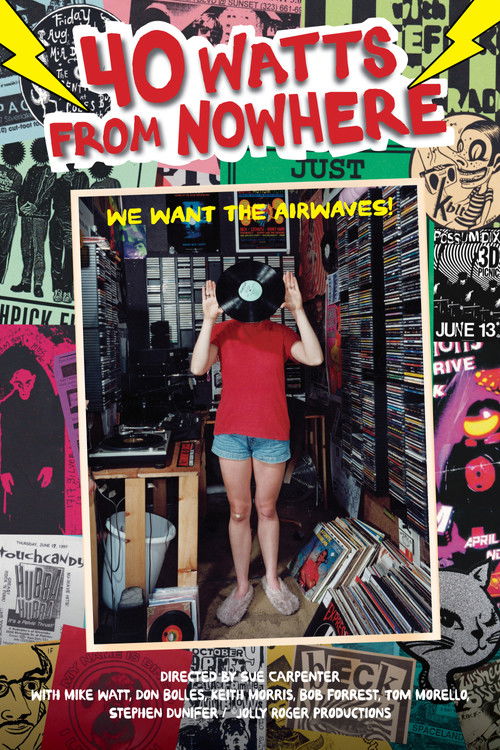
40 Watts from Nowhere
Documentary
Overview
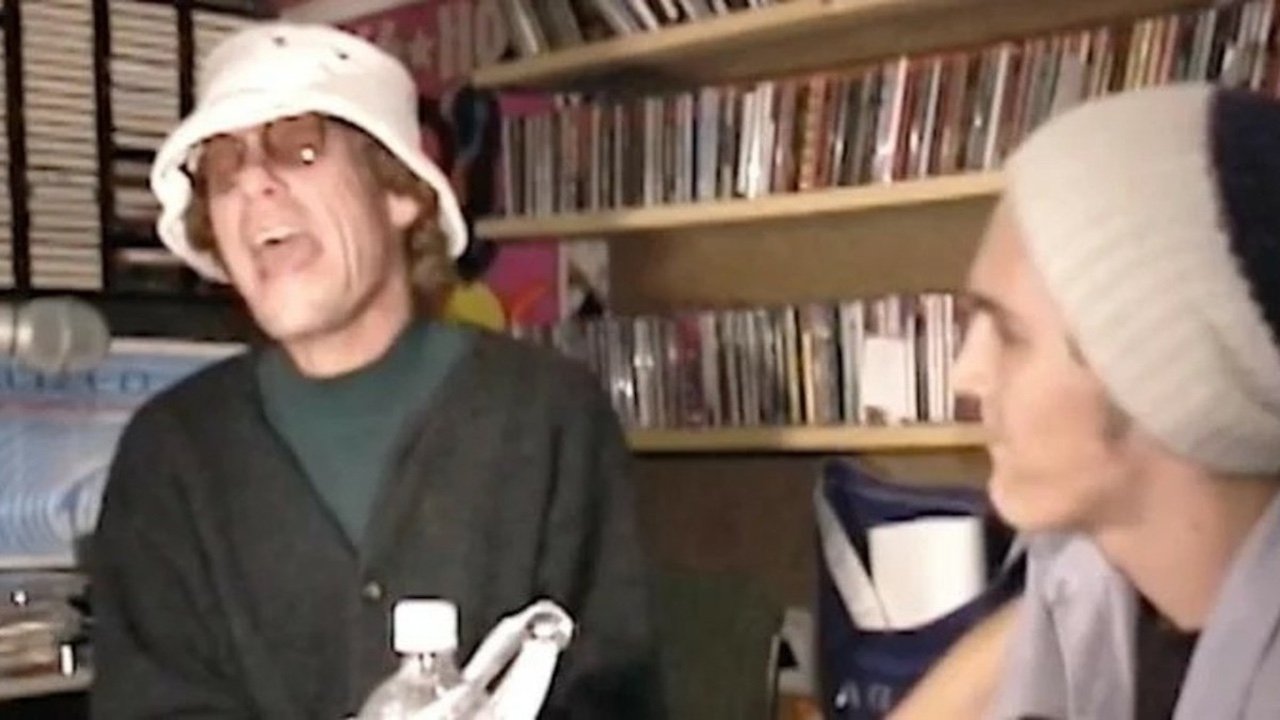
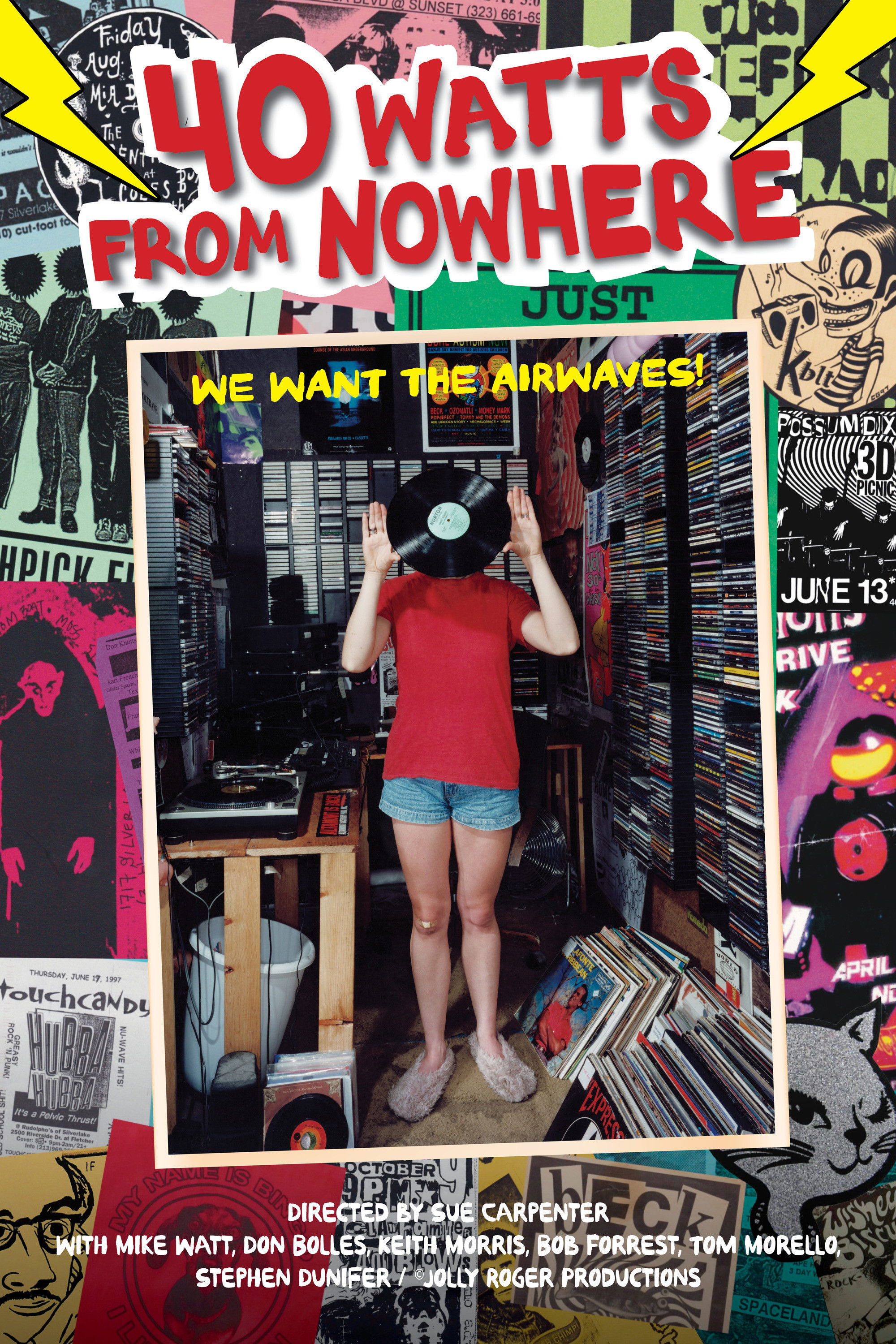
Frustrated by commercial radio in the ’90s, a music-loving legal secretary builds one from scratch and runs it out of her LA apartment.

Sue Carpenter
Sue Carpenter
Sue Carpenter
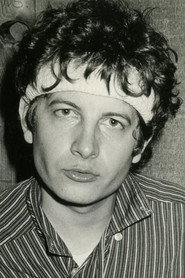
Keith Morris
Keith Morris
Keith Morris

Mike Watt
Mike Watt
Mike Watt

Don Bolles
Don Bolles
Don Bolles

Bob Forrest
Bob Forrest
Bob Forrest

Tom Morello
Tom Morello
Tom Morello
Camille Rose Garcia
Camille Rose Garcia
Camille Rose Garcia
Similar Movies
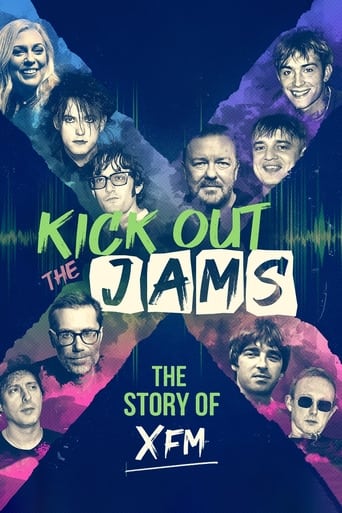
Titled after the first-ever song to play on their airwaves, Kick Out the Jams follows the development of XFM from its rebellious pirate radio roots in the early 90’s, through to its official FM radio launch in 1997 as a major platform for launching alternative talent into the mainstream. The doc deep-dives into the struggles and influence of the station which gave rise to the likes of Ricky Gervais and Stephen Merchant, whose global hits The Office and The Ricky Gervais Show were originally developed while working at the radio station.
"Jolly Roger" could mean Roger Schawinski. But by definition, a "Jolly Roger" is the classic black pirate flag with skull and crossbones. This documentary tells the unvarnished story of the Swiss radio pirates who emerged in the 1970s. The focus is on Radio 24 in its wild years, when Schawinski's team broadcast from Italy, with the strongest FM station in the world at the time, straight down from Pizzo Groppera, 130 kilometers all the way to the Zurich area. Supported by numerous original documents from private filmmakers and from the SRG archives, the viewer relives the absurd radio war between David and Goliath that lasted almost four years, 24 years after this war between the radio pirates and the state power began on November 13, 1979. The many known and unknown fighters, who rallied behind their Radio Winkelried Schawinski in 1979 to help usher Switzerland into a new media age, remember the good and bad times, the demonstrations and the numerous threatened and actual closures.
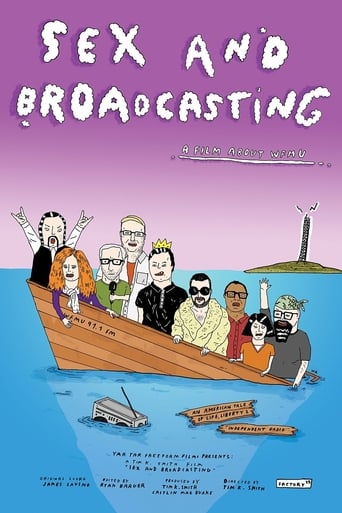
SEX AND BROADCASTING is a feature length documentary about New Jersey's WFMU, the world's strangest and most unique radio station, and one man's attempt to keep it alive in the face of recession, the persistent threat of commercial media, and the challenges that come with keeping a rebellious group of outsiders together.
"A l likeness is a gift... it avoids... or confuses time if your prefer." said John Berger. Following this premise, 81.92 is a structuralist inquiry into the notion of presence and absence as it reveals archival radio broadcasts from former Montreal radio host Mike Wolkow. The former (the audible) is left invisible while the later (the visible) seeks to find the missing elements that trace the passage of this vocal presence. Past and present interplay in this piece that shifts between epochs, thus mimicking a radio signal that is being tuned in.
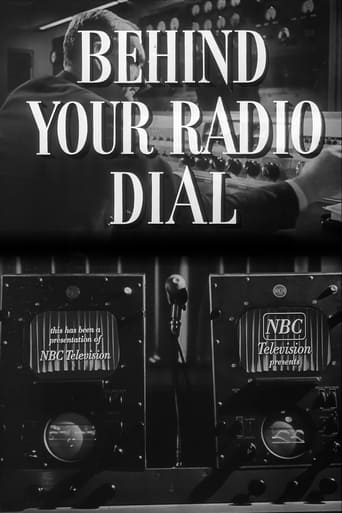
Familiar radio voice Ben Grauer leads the viewer on a behind the scenes tour of the National Broadcasting Company studios -- both radio and television -- in Rockefeller Center and Hollywood. The original 25-minute film previewed by network execs and affiliates in the fall of 1948 was cut down to 20 minutes before its first broadcast, reportedly to excise high-profile stars and programs such as Amos 'n' Andy, Jack Benny, and Edgar Bergen that had since left NBC for other networks.
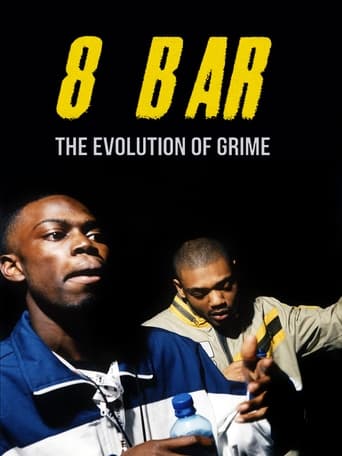
They called it young black kids’ punk rock - a genre that radio stations wouldn’t play and records that labels refused to sell. But grime would not be stopped. With machine-gun lyrics that shred the eardrums and syncopated electronics that pound the chest like a sledgehammer, grime was a product of social unrest, urban culture and disenfranchised youth colliding in early 2000s UK. It didn’t just rouse a grassroots audience, however. Today, grime is surging in popularity all over the globe and widely influencing the music charts. This is the story of the genre’s roots.
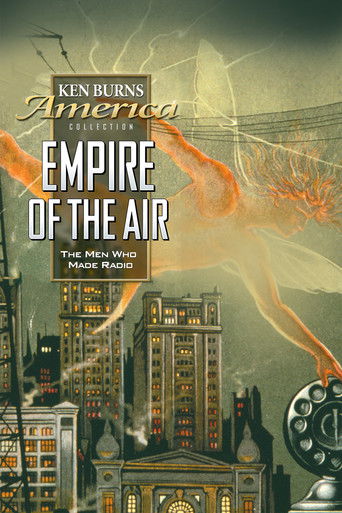
For 50 years radio dominated the airwaves and the American consciousness as the first “mass medium.” In Empire of the Air: The Men Who Made Radio, Ken Burns examines the lives of three extraordinary men who shared the primary responsibility for this invention and its early success, and whose genius, friendship, rivalry and enmity interacted in tragic ways. This is the story of Lee de Forest, a clergyman’s flamboyant son, who invented the audion tube; Edwin Howard Armstrong, a brilliant, withdrawn inventor who pioneered FM technology; and David Sarnoff, a hard-driving Russian immigrant who created the most powerful communications company on earth.