

The Pearl Throne
Documentary
Overview
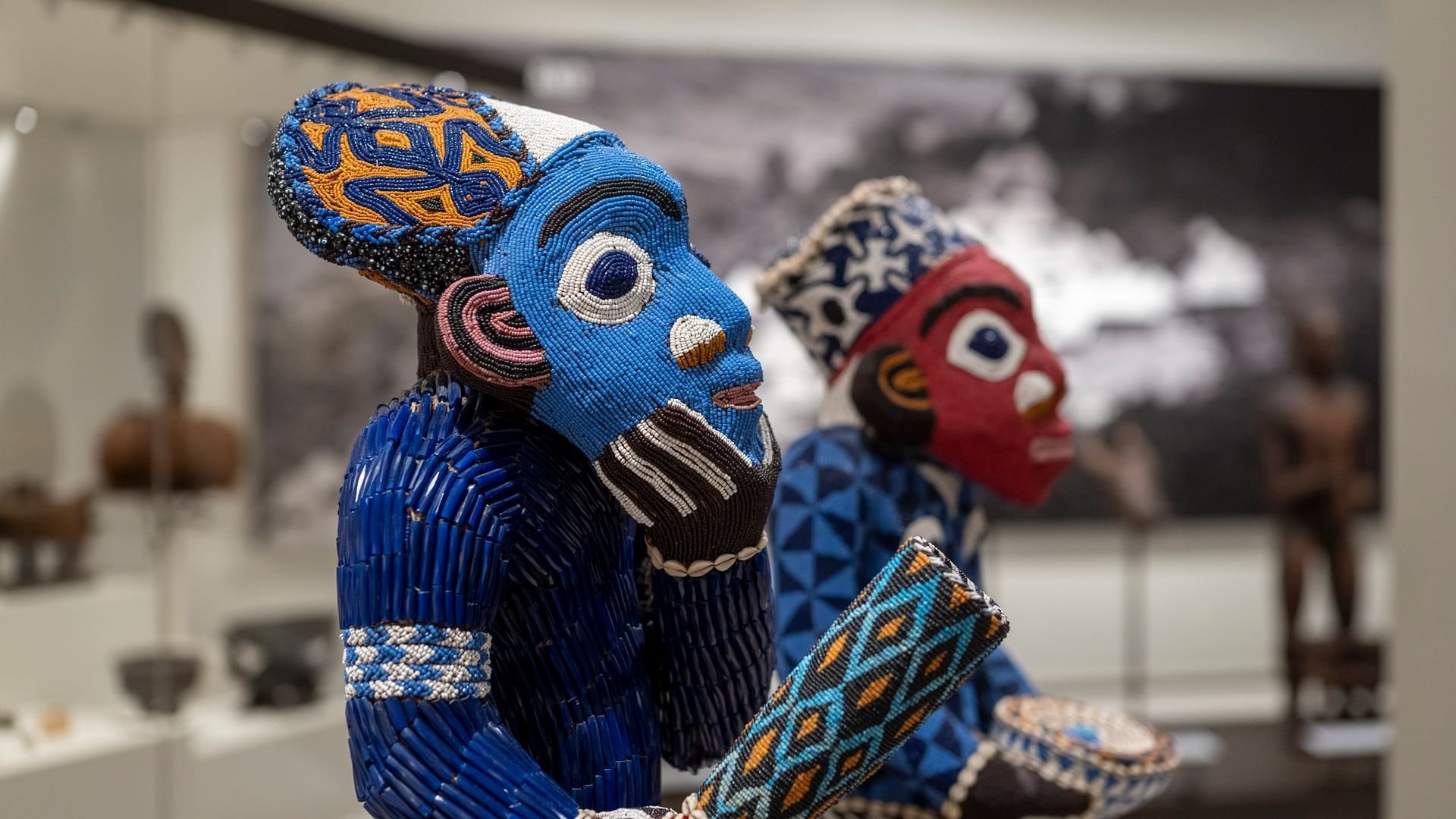
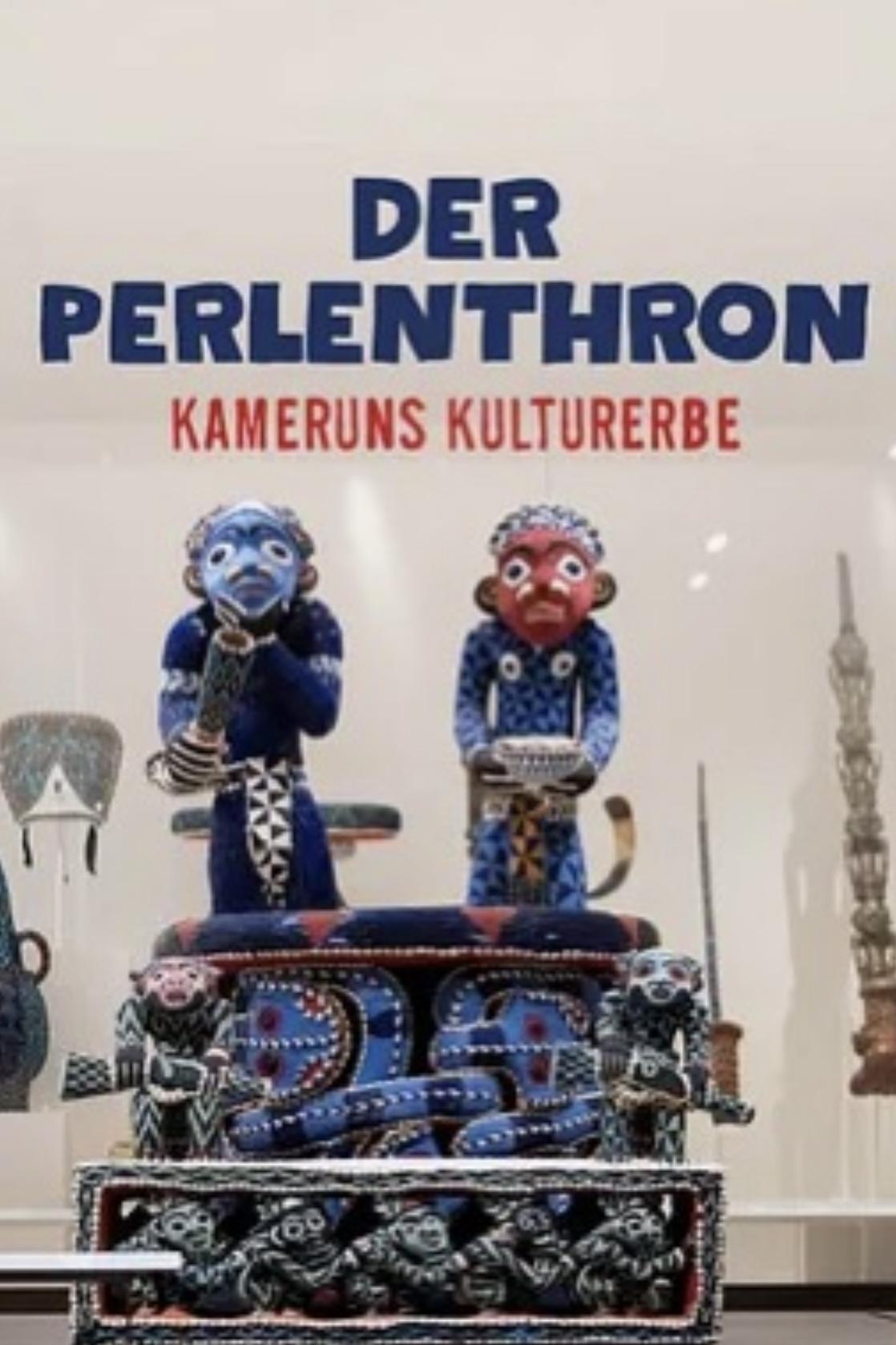
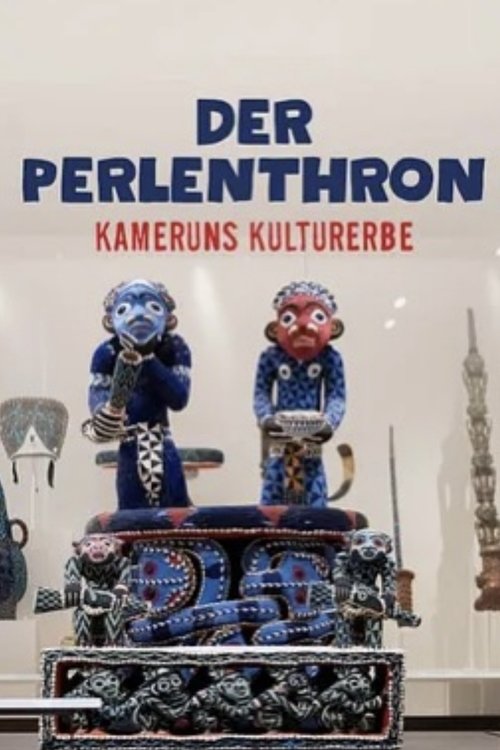
Germany holds the largest collection of Cameroonian cultural objects in the world in its Ethnological museums. One important piece is 'Mandu Yenu' the Royal Throne of Bamum, a striking work adorned with glass beads and cowrie shells, also known as the Pearl Throne. What should be done with this masterwork and other pieces overshadowed by their colonial heritage?
Top Cast









Mikaél Assilkinga
Mikaél Assilkinga
Mikaél Assilkinga
Nji Oumarou Nchare
Nji Oumarou Nchare
Nji Oumarou Nchare
Lars-Christian Koch
Lars-Christian Koch
Lars-Christian Koch
Yrine Matchinda
Yrine Matchinda
Yrine Matchinda
Albert Gouaffo
Albert Gouaffo
Albert Gouaffo
Richard Tsogang Fossi
Richard Tsogang Fossi
Richard Tsogang Fossi
Bénédicte Savoy
Bénédicte Savoy
Bénédicte Savoy
Similar Movies
In the fifties, when the future Democratic Republic of Congo was still a Belgian colony, an entire generation of musicians fused traditional African tunes with Afro-Cuban music to create the electrifying Congolese rumba, a style that conquered the entire continent thanks to an infectious rhythm, captivating guitar sounds and smooth vocals.
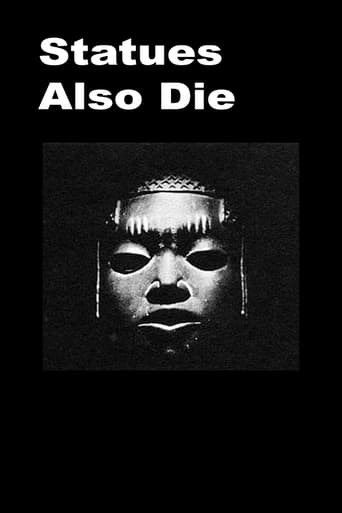
Commissioned by the journal Présence Africaine, this short documentary examines how African art is devalued and alienated through colonial and museum contexts. Beginning with the question of why African works are confined to ethnographic displays while Greek or Egyptian art is celebrated, the film became a landmark of anti-colonial cinema and was banned in France for eight years.
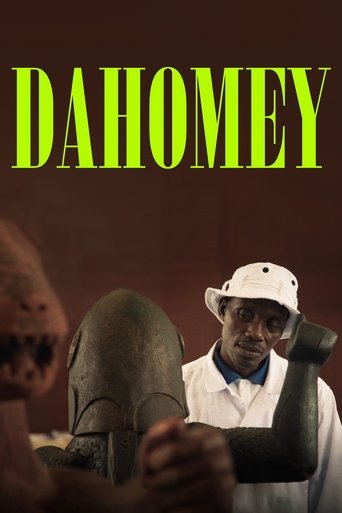
Thousands of royal artifacts of Dahomey, a West African kingdom, were taken by French colonists in the 19th century for collection and display in Paris. Centuries later, a fraction returned to their home in modern-day Benin. This dramatized documentary follows the journey of 26 of the treasures as told by cultural art historians, embattled university students, and one of the repatriated statues himself.
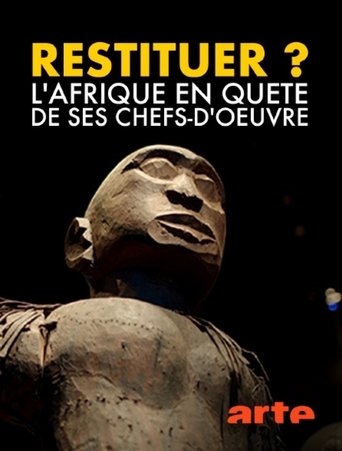
There is an interlinking history of violent European colonialism and the cultural legacy of ethnographic collections in institutions. This documentary traces the progression of colonial history from the Berlin Conference of 1884-85 to the systematic elimination of cultural traditions, religions and lifeways which would occur sporadically through genocides and warfare until the early 20th century throughout the African continent—surveying the inquiries and movements for historical justice, the relationships between European institutions and colonial violence and following enduring struggles against these organisations to regain what was taken.
African masks in performance: The spectacular masks of the Winiama people in the rural village of Ouri, in Burkina Faso, perform to reenact the encounters between the village ancestors and the spirits of the wilderness. This video emphasizes performance. There are lots of long takes of individual mask's performances from start to finish, with musical accompaniment, crowd reaction. Professor Roy has taught African art history at the University of Iowa for thirty years, and he has been doing research in Burkina Faso for thirty-seven years. He recently published The Land of Flying Masks: Art and Culture of Burkina Faso (Munich: Prestel, 2007).
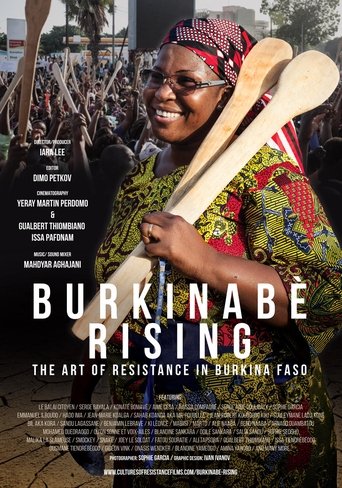
BURKINABÈ RISING: the art of resistnace in Burkina Faso showcases creative nonviolent resistance in Burkina Faso. A small, landlocked country in West Africa, Burkina Faso is home to a vibrant community of artists and engaged citizens, who provide an example of the type of political change that can be achieved when people come together. It is an inspiration, not only to the rest of Africa but also to the rest of the world. Through music, film, ecology, visual art, and architecture, the people featured in this film are carrying on the revolutionary spirit of Thomas Sankara. After assuming the presidency in 1983, Sankara was killed in a 1987 coup d'état led by his friend and close advisor Blaise Compaoré, who subsequently ruled the country as an autocrat for twenty-seven years. In October 2014, a massive popular insurrection led to his removal. Today, the spirit of resistance is mightier than ever in Burkina Faso.