

To Breathe as One
Documentary · Music
Overview
In 2009 Maureen & James Tusty, filmmakers for The Singing Revolution, produced a second film out of Estonia. Seen nationally on U.S. Public Broadcasting, this one hour documentary tells the history of Estonia’s massive Song Festival, and the role music plays in Estonian culture, even today.
Top Cast



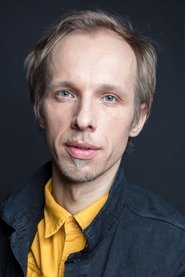
Nero Urke
Nero Urke
Narrator
Nero Urke
Narrator
Similar Movies
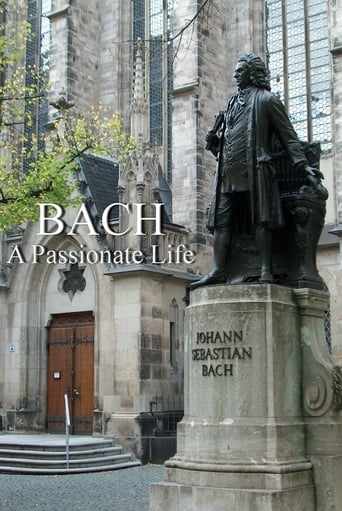
John Eliot Gardiner goes in search of Bach the man and the musician. The famous portrait of Bach portrays a grumpy 62-year-old man in a wig and formal coat, yet his greatest works were composed 20 years earlier in an almost unrivalled blaze of creativity. We reveal a complex and passionate artist; a warm and convivial family man at the same time a rebellious spirit struggling with the hierarchies of state and church who wrote timeless music that is today known world-wide. Gardiner undertakes a 'Bach Tour' of Germany, and sifts the relatively few clues we have - some newly-found. Most of all, he uses the music to reveal the real Bach.
A different history of the Cold War: how Estonians under Soviet tyranny began to feel the breeze of freedom when a group of anonymous dreamers successfully used improbable methods to capture the Finnish television signal, a window into Western popular culture, brave but harmless warriors who helped change the fate of an entire nation.
On the shores of the Gulf of Finland, the ancient Finno-Ugric peoples originated a singing tradition of mysterious power called the Regilaul. These songs are the roots of Estonia’s renowned singing culture. Based on the continuous repetition of eight-syllable verses, they produce a haunting sound able to connect the fleeting present with the eternal circle of life. Against the stunning setting of modern Estonia, this film explores how Regi songs still fire the imagination today, weaving together people and nature through song.

Special care has been taken by International Historic Films to assemble this monumental documentary, which tells the story of what is left for a people after its land has been ravaged by war. Situated between the powerful antagonists Germany and the Soviet Union, the Baltic nations of Latvia, Lithuania, and Estonia bore witness to some of the most ferocious land battles of the Second World War.
The documentary "Kadunud unistus" (“Lost Dream”), directed by Sergei Zjuganov, is the filmmaker’s debut feature. It takes viewers to Estonia in the 1990s - a period when newly regained freedom, the influence of Western car culture, and a rapidly changing society shaped the identity and dreams of an entire generation.
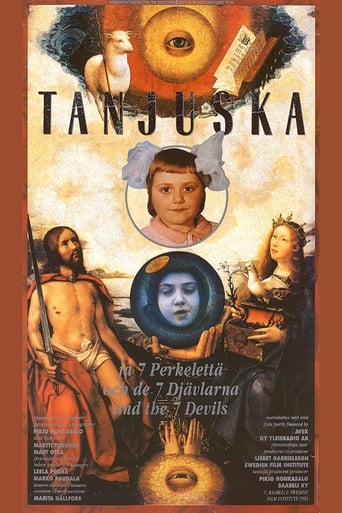
A documentary about Tanjuska who is a 12-year-old White-Russian schoolgirl, with a face like an icon. Two years ago she stopped eating, then talking and finally she stopped growing. The village priest in Estonia has explained to the family that seven devils have made a home inside Tanjuska. These devils are giving her orders and only a daily ceremony can force the devils to leave the girl.
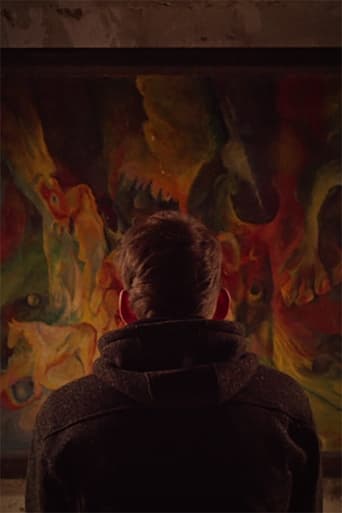
We all carry hell with us. The filmmaker’s hell exists on a canvas, which he studied carefully in childhood. The mystical picture has many names: Circus, Hell, Game at the Arena. Decades later he finds the painting again. The film unravels as loose ponderings about the plight of being an artist and touches upon the filmmaker’s personal demons. Can he see the painting in a new light?
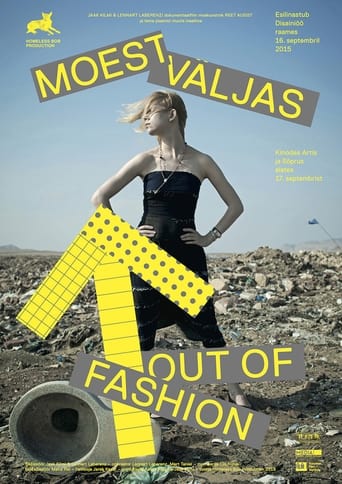
A documentary following an Estonian fashion designer Reet Aus on a global tour to explore the origin process and the environmental footprints of today's fast paced fashion industry. On the road the mission takes an unexpected turn towards trying to introduce her "upcycling" inspired product line to some of the major fashion retailers to increase awareness of the massive resource waste built into the current product lifecycle.