

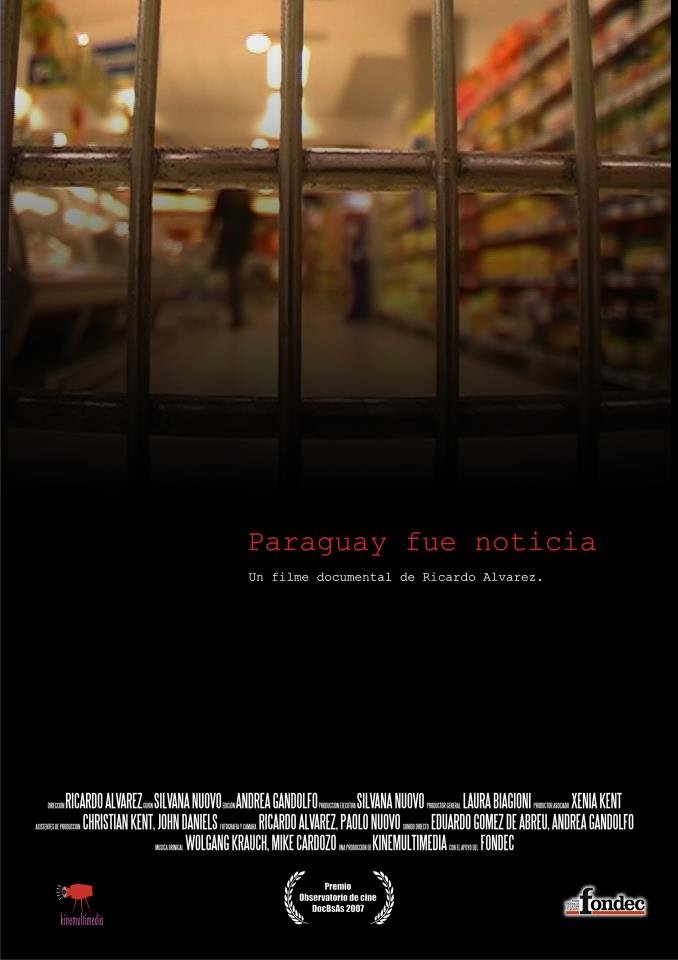
Paraguay was news
Documentary
Overview
August 1, 2004, Asunción, Paraguay. Sunday, noon, a fire in a supermarket that presumably breaks out in the food court, leaves a balance of 400 dead and 500 injured. Survivors and witnesses affirm that the doors were intentionally closed so that customers would not leave without paying. The film follows the trials of the main defendants. The testimonies of victims and of the main actors in the trial are intertwined with the testimonies of the accused, little by little the social drama that Paraguay is experiencing is becoming evident.



No cast information.
Similar Movies

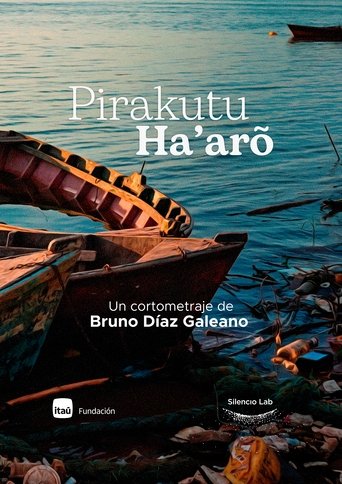
Contemplative piece that portrays the silent bond between a man and the river that watches over him. Set on the banks of the Paraguay River, in the city of Concepción, this poetic short film explores the stillness, memory, and emotional landscape of a place that speaks through water, wind, and waiting.
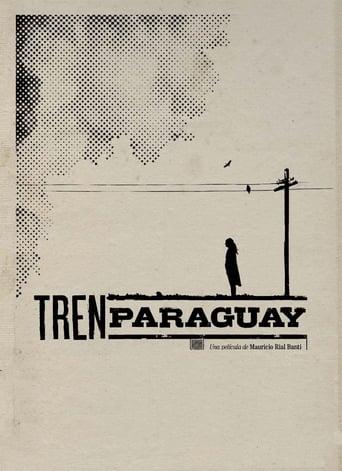
The Paraguayan railroad, created in 1861, fell in the late twentieth century in decline. Operated for decades by foreign companies and later by the Paraguayan State has been in a growing abandonment since the late 90s. Since then there have been projects of recovery, but the stations are empty and the main terminal was demolished late last year.
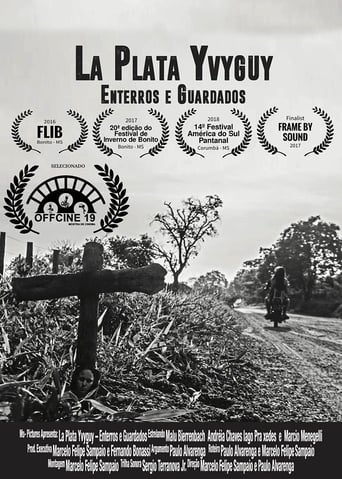
The Legend of the Paraguay War Legend tells that during the Paraguay War (1864-1870), families that lived near the border and soldiers who were leaving for battle used to hide their valuable belongings by burying them in secret spots, in order to safely recover them after the war. In several cases, though, the only people who knew about the secret spots of those personal treasures died before they could go back to recover them. According to inhabitants of that region, the spirits of those tormented men would reveal the location of those "buried and hidden" treasures to chosen people in their dreams, visions or by haunting them. "The Legend of the Paraguay War" approaches local legends in a historic and literary way. Those legends were born from within the biggest conflict in South America, and were developed and influenced by the local imaginary view of the world and which can be considered a relevant part of those people's identity up to this day
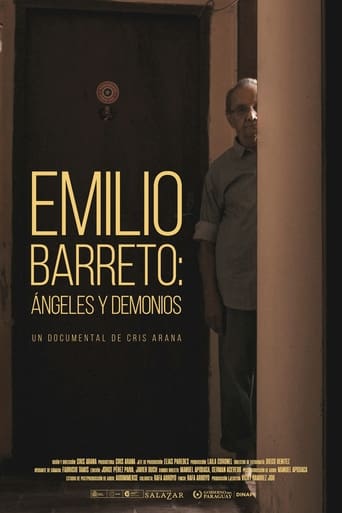
In Paraguay, during the regime of dictator Alfredo Stroessner, almost 400 people disappeared without a trace, and several hundred thousand were sent to prisons where they were tortured. One of these people was Emilio Barreto, an aspiring actor who spent a total of thirteen years in prison despite never being tried for any crime.
In July 2015, after 27 years, Paraguay will receive the Pope. Ru Ore is a documentary about the waiting for this important event through four life stories: Gaby, 13, who lives in one of the poorest neighborhoods of Asuncion; Mafe, 16, who is fighting against cancer; the story of Margarita, 53, Indigenous "Aché" fighting for the survival of her traditions and culture; and the history of Tati, 18, a survivor of the Ycuá Bolaños tragedy.

The documentary deals with the experiences around orgasm of Paraguayan women of different ages and provides the vision of a sexologist who comments on these experiences. In the conversation that is generated from this social dynamic, taboos, myths and common situations in relationships are discussed.

Eami means ‘forest’ in Ayoreo. It also means ‘world’. The story happens in the Paraguayan Chaco, the territory with the highest deforestation rate in the world. 25,000 hectares of forest are being deforested a month in this territory which would mean an average of 841 hectares a day or 35 hectares per hour. The forest barely lives and this only due to a reserve that the Totobiegosode people achieved in a legal manner. They call Chaidi this place which means ancestral land or the place where we always lived and it is part of the "Ayoreo Totobiegosode Natural and Cultural Heritage". Before this, they had to live through the traumatic situation of leaving the territory behind and surviving a war. It is the story of the Ayoreo Totobiegosode people, told from the point of view of Asoja, a bird-god with the ability to bring an omniscient- temporal gaze, who becomes the narrator of this story developed in a crossing between documentary and fiction.