


Basquete das excluídas
Documentary
Overview
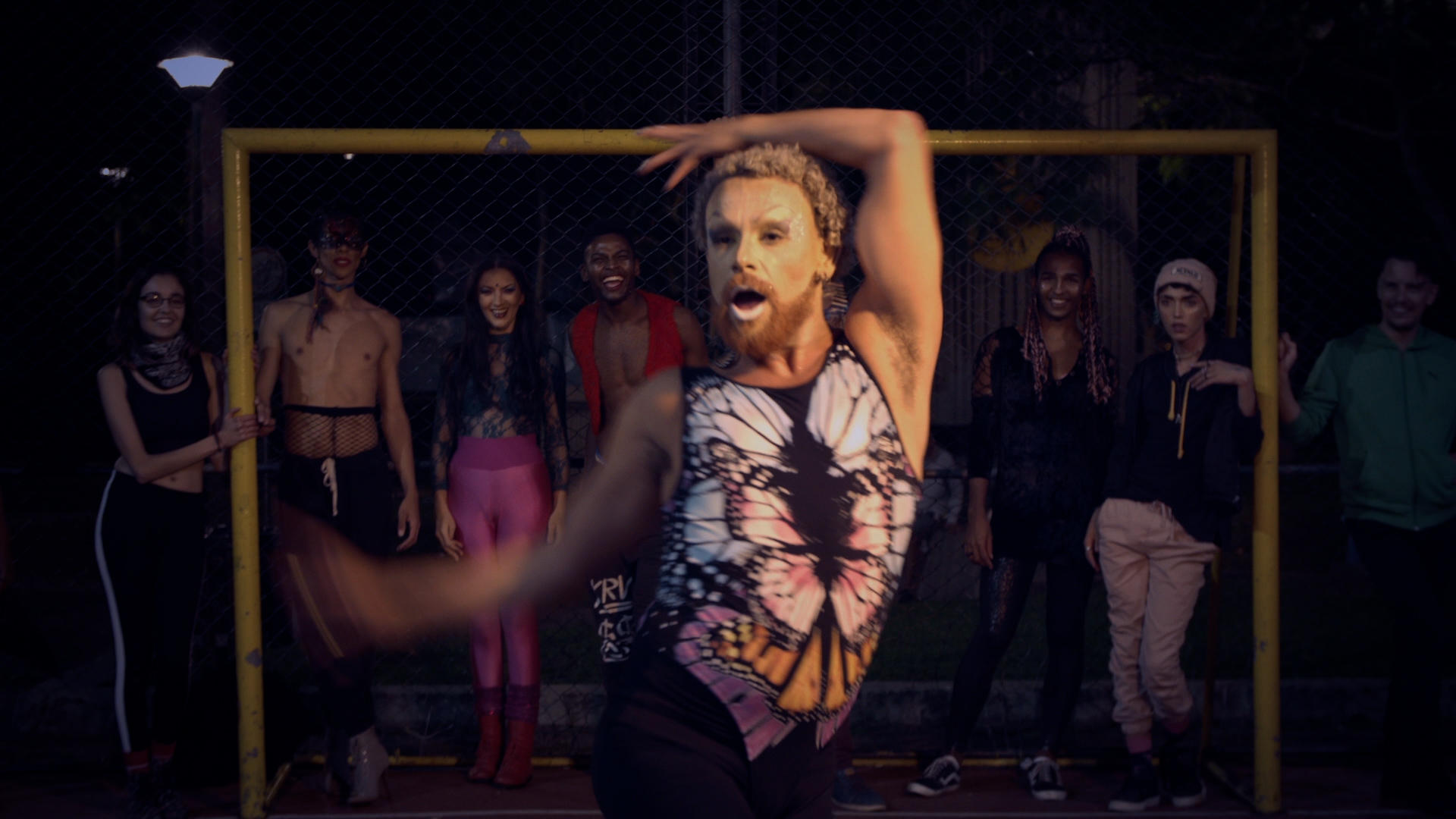
Originating in Curitiba in 2013 and spreading to Portugal, Spain, Mexico and Brazil, “Basket das Excluídas” consists of an LGBTQIA+ group gathering to play basketball on a public court in the city. They vogue and resist with their bodies around the city, challenging norms and celebrating diversity while engaging in a game that expresses identity and a form of resistance.
Top Cast








Adriano Costa Vespa
Adriano Costa Vespa
Adriano Costa Vespa
Alessa Artigas
Alessa Artigas
Alessa Artigas
Bernhard Stumpf
Bernhard Stumpf
Bernhard Stumpf
Bianca Petersen
Bianca Petersen
Bianca Petersen
Camila Jorge
Camila Jorge
Camila Jorge
Daniel Furtado
Daniel Furtado
Daniel Furtado
Eunice Terres
Eunice Terres
Eunice Terres
Gal Monte Freire Camelo
Gal Monte Freire Camelo
Gal Monte Freire Camelo
Gustavo Alerrandro Artigas
Gustavo Alerrandro Artigas
Gustavo Alerrandro Artigas
Heitor Terres Guiraud
Heitor Terres Guiraud
Heitor Terres Guiraud
Similar Movies
UCLA Student Film, Preserved by the UCLA Film and Television Archive. Documentary from Community Video Center San Diego about the Gay Rights March on Washington D.C. on October 14, 1979. Interviews include representatives from the Greater San Diego Business Association, San Diego Democratic Club, Senate for Social Services, and Gay Alliance for Equal Rights, a mother advocating her gay son's rights and creator of a parents activist group in Orange County, Allen Ginsberg, and Gay Mormons, as well as other attendees of the march. Interviewees speak about gay rights, equal protection under the law, and end to discrimination against gay people.
Set against the backdrop of the repeal of the "Don't Ask, Don't Tell" policy, the film chronicles the journey of Lt. Col. Linda Campbell, an Air Force veteran who grappled with hiding her true self during her service tenure. While the national policy shift towards LGBTQ+ rights marks a progressive era, Linda's personal story serves as a powerful testament to the individual battles fought in the shadows of such policies. Subjected to suspicion, prejudice, and threats from her comrades due to her perceived homosexuality, Linda's resilience remain undeterred. Her unwavering love and commitment to her partner, Nancy Lynchild, culminate in a poignant milestone: their eternal rest together in Willamette National Cemetery. Intertwined with this narrative is the account of Linda's brother, Bob Campbell, who delves into their family's conservative roots, Linda's tumultuous coming out, and the eventual familial reconciliation that showcases the transformative power of love and understanding.
Jon Sistiaga takes an immersive trip to Poland, a country divided into two zones: on the one hand, the urban and pro-European, and on the other, the rural and ultra-Catholic, still anchored in the traumas of the war and the post-war period. Is Poland a homophobic country or does it have a homophobic government? How does the European Union allow this situation?
The intimate journey and unpublished backstory of BeBe Zahara Benet – a charismatic drag performer originally from Cameroon, and the very first winner of the culture-changing phenomenon, RuPaul’s Drag Race. With over a decade of unprecedented access, we observe BeBe’s struggles with celebrity, authenticity, success, and failure.
At a time when the far right is ascending to power around the world, the 2020 Brazilian municipal elections saw a surprising and unprecedented record of LGBT candidates. This film follows four young queer politicians during their electoral campaigns and reveals their struggle to affirm their rights to exist and be heard.
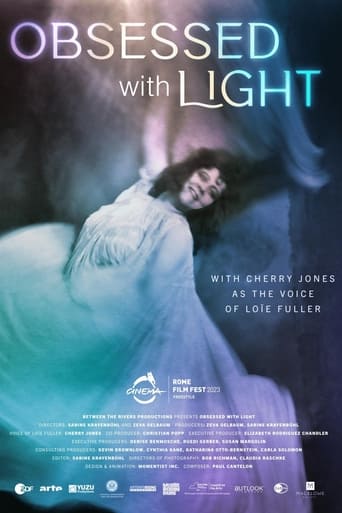
Loïe Fuller, stage name of Marie Louise Fuller: the American actress and dancer trained in burlesque, circuses and variety shows who, in the 1890s, signed by the Folies Bergère of Paris, became a star. She was portrayed by Toulouse-Lautrec, loved by the symbolists, the inspiration for Art Nouveau, in her shows she combined dance, spirals of fabric and light, reflected from behind or from below through the glass floor that she had created. She transformed into the "Fairy of Light", was taken up (especially in her Serpentine Dance) by Georges Méliès and Alice Guy and influenced René Clair's early films.