

The Impossibility
Documentary
Overview
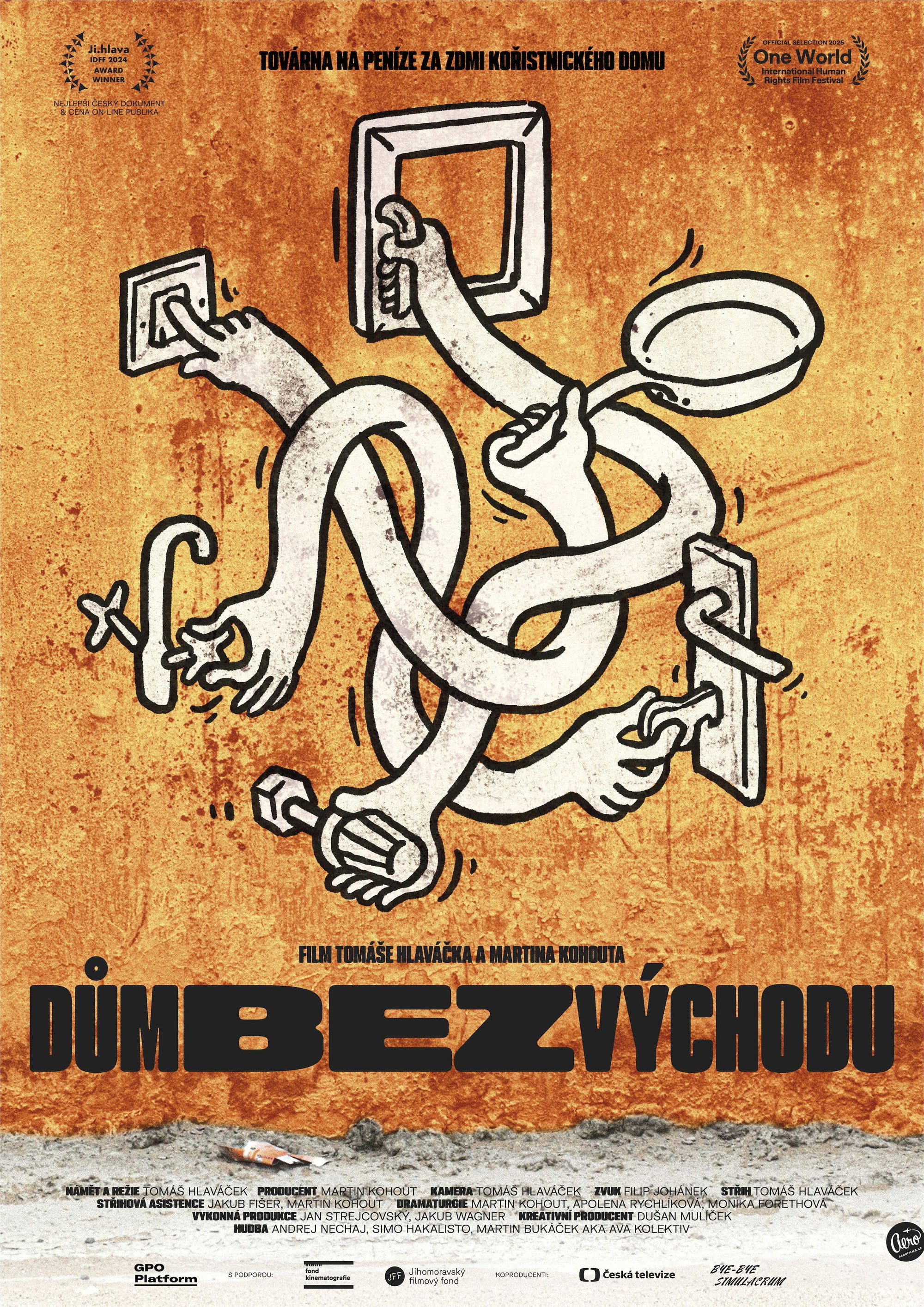
The director Tomáš Hlaváček is loosely building upon the time-lapse documentary Housing Against Everyone, in which he captured the dispute surrounding the Rapid Re-Housing project in Brno. The topic of decent housing for families in need is also addressed in The Impossibility. People occupying rental apartments in Brno's “Kuncovka” wanted hot water, electricity and fair negotiations. Instead, they received bullying and threats from the owner, who, in his own words, “does not like coloured people”. Neither the police nor the city helped them. So they joined forces with activists and lawyers to fight for their rights. Hlaváček chronicles the months-long conflict with its legal follow-up as an engaged observer.





No cast information.
Similar Movies
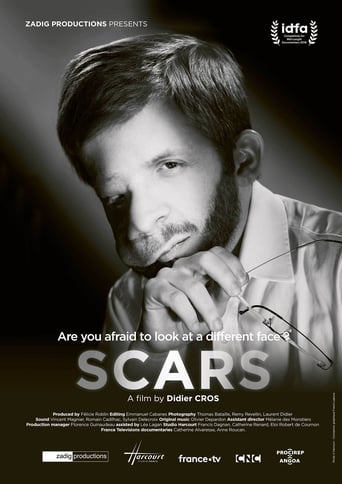
We admire beauty; we recoil from bodies that are marred, disfigured, different. Didier Cros’ moving, intimate film forces us to question what underlies our notions of beauty as we join a talented photographer taking stunning portraits of several people with profound visible scars which have dictated certain elements of their lives but have not come to define their humanity. The subjects' perceptions of themselves are dynamic, unexpected, and even heartwarming. This is an unforgettable journey to be shared with the world.
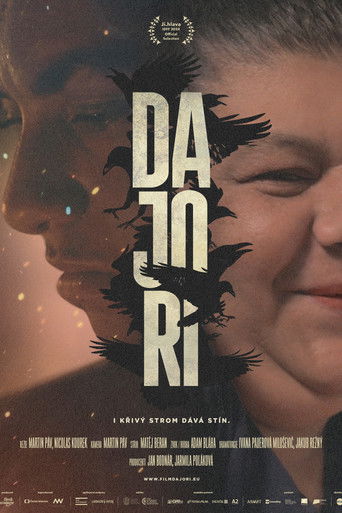
The protagonist of Dajori (mother in Romani) is forty-five-year-old Marie Hučková, who lives with her husband in Varnsdorf. After her younger sister Iveta ends up on the streets with her nine children, she decides to take her own fate and theirs firmly into her own hands and attempts to break out of the vicious circle of poverty that characterises their hometown. This sensitive film, which captures three years of a newly formed family's life together, follows the small joys and daily challenges of caring for others and asks whether a mother's love can overcome the dysfunctional system in which socially excluded localities find themselves.

As France's first ZAC (Zone d'Aménagement Concerté, or concerted development zone), Grigny is the ideal place to describe how France transformed its dream of a happy suburb into an impoverished urban nightmare. The film aims to leave the camera rolling throughout the story, to discover the inhabitants and the labyrinths of yesterday and today, and to answer the essential questions. From the residents to the architects, including the city of Grigny, the mayor, the prefect, the landlords, and the ANRU (National Agency for Urban Renewal), the film examines and deciphers the consequences of what happened in Grigny and the state's housing policy. Through the analysis of Grigny's history, we see how the state has participated and continues to participate in the creation of social exclusion.
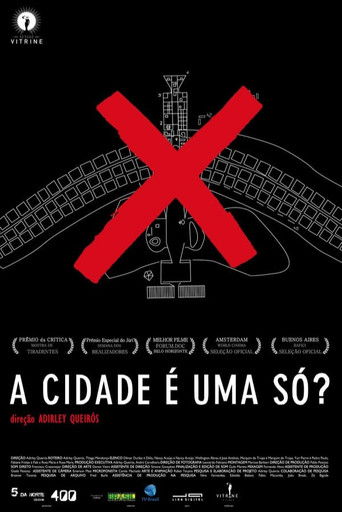
The city of Brasilia hoped to become, from its very architecture, the expression of modern urban conception and an egalitarian society. However, neither the workers hired to pursue this project, nor the constant migratory flow that took place from the beginning, fitted in the government’s plan. In 1971, it began what was known as the “Campaign to Eradicate Invaders”. Together with other locals, the director reflects on the history, the transformations and the future of this place where the hypocritical official jingle “A cidade é uma só!” is no longer heard.
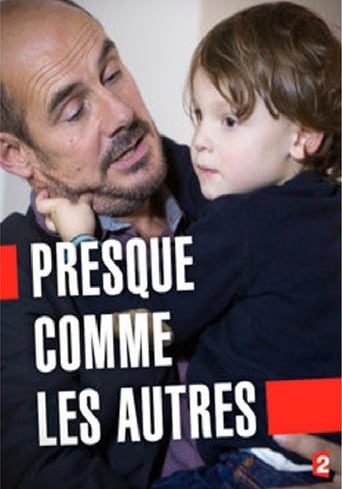
The film is a retelling the story of actor Francis Perrin and his autistic child. Séverine and Christophe are young loving parents. Very quickly, they must recognize that in their son Tom, contrary to the falsely soothing words of pediatricians and doctors of all stripes, something is wrong ... It will take three years before a diagnosis of autism falls.