

The Pimp’s World
Documentary
Overview
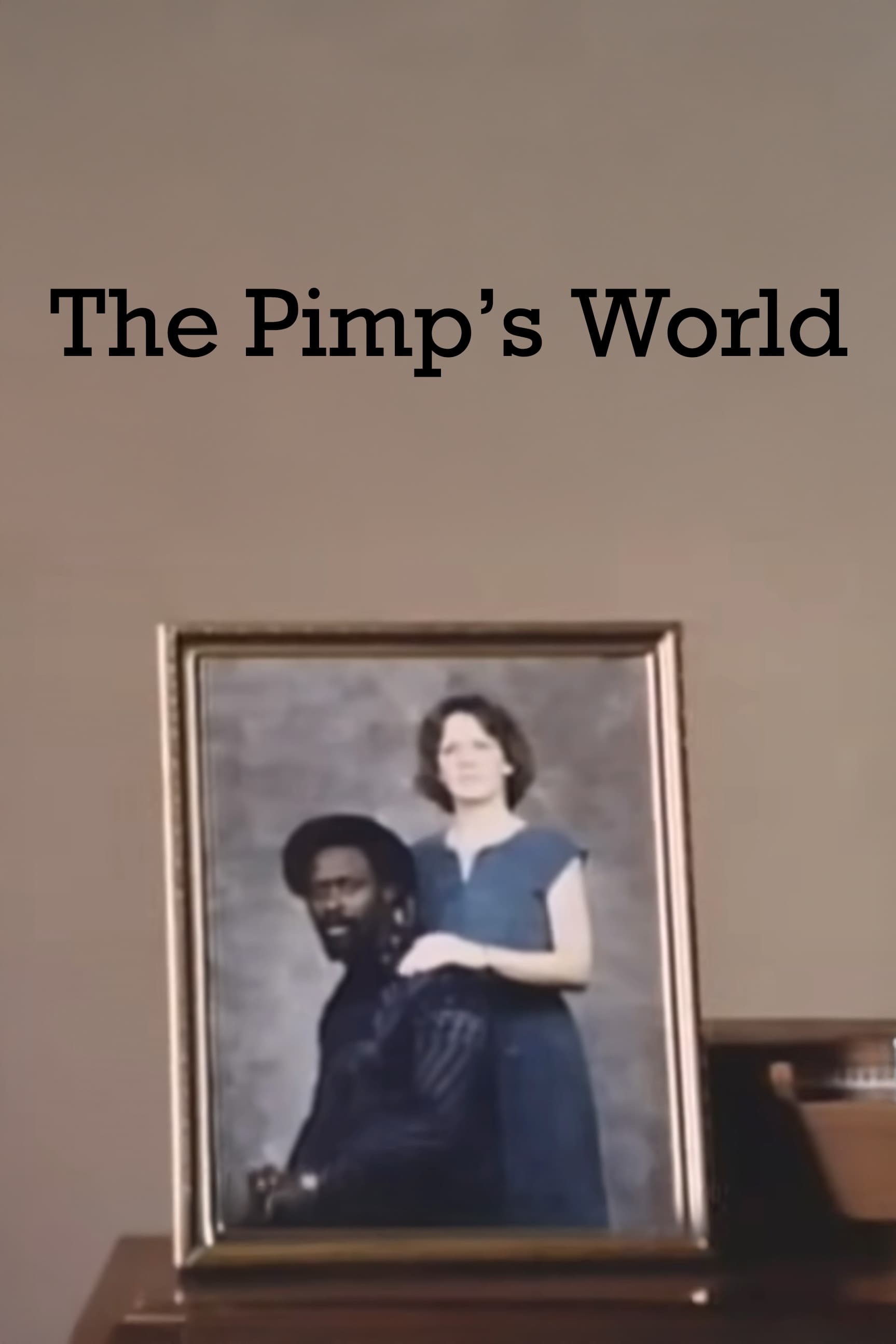
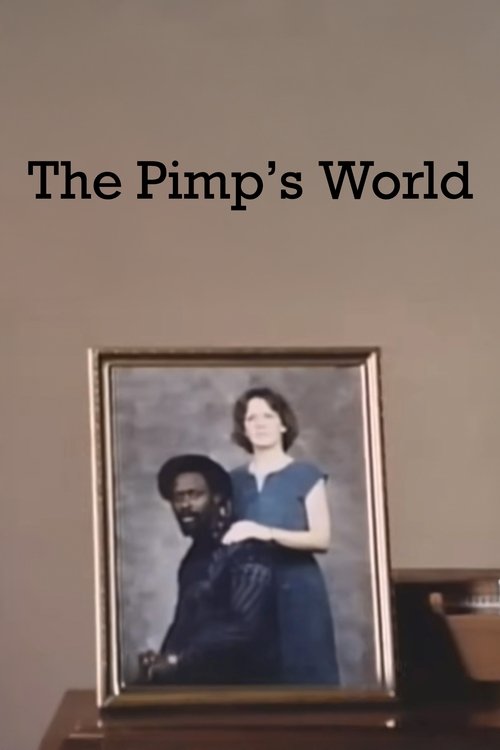
The world of pimping in early 1980s America offers a rare, unfiltered glimpse into a controversial underground lifestyle. Through exclusive interviews with the notorious figure “Harold” and his associates—Alice, Lori, and Karen—the film provides a nuanced exploration of the lives of pimps and streetwalkers and the ways their paths intertwine. With a focus on both the allure and inherent dangers of this lifestyle, the documentary reaches a sombre climax, shedding light on the tragic murder of Alice Franklin, one of Harold’s streetwalkers, later that same year.






No cast information.
Similar Movies
Against the backdrop of the approaching global threat to humanity - the AIDS disease, threatening to undermine the moral and ethical climate of the USSR and its citizens who lived by the immutable code of the builders of communism, rejecting any moral vices of humanity, the film shows that the "risk group" in the form of drug addicts, prostitutes and homosexuals in the Soviet country not only exists, but its scale is great ... What the heroes of the film themselves, whom Soviet doctors and politicians classified as a "risk group", talk about in this first "revolutionary" video film.

August 29, 1979, Talavera Bruce Penal Institute, Bangu, Rio de Janeiro. After serving eight years in prison, Inês Etienne Romeu, the only survivor of the "House of Death" in Petrópolis and the first political prisoner sentenced to life in prison in Brazil, left prison benefiting from Amnesty. Norma Bengell filmed this moment: from the prison door to her home with her family, Inês was welcomed by family, friends and members of the Brazilian Amnesty Committee, in what marked the first act of the historic denunciation that Inês would carry out against her tormentors and the Military Regime.

The cinema of Pernambuco is considered one of the most complex components of Brazilian cinema, particularly for its potency and creative style. The presence of women in filmmaking seldom holds the same historical notoriety as that of men, and the Pernambuco scene is no exception. In the context of "Amor, Plástico e Barulho" (Love, Plastic, and Noise), we find a film that serves as a testament to the marginalization of women in the creative industry, intertwining themes of consumption and the production of brega music. Hence, we use "Feminino e Barulho" (Feminine and Noise) as a means to share what we've learned. Renata Pinheiro has inspired us to craft a narrative that gives voice to those who need to be heard. We are here to showcase a glimpse of them and what they represent. "Feminino e Barulho" is a short film about love, femininity, sisterhood, and empowerment.
Three episodes of the unfinished series commissioned by the now-defunct Corporation for Public Broadcasting, examining how and why people fail to make meaningful connections in the early 21st century. Hosted by amateur filmmaker Kurtis Matthew Russell who was given a budget of 5 dollars.
Bubisher, as well as being 'the bird of luck', is a word loaded with literary meaning in Spanish in the Sahrawi refugee camps of Tindouf. Seeing the way in which two cultures interact through small stories and tales can is striking and so is the contrast between the resilience of the young female generations and the realities of life in the desert. This documentary paints a picture of a generation of young female Sahrawis.
A BBC News investigation has revealed how violent criminal gangs are finding, abusing and extorting people from the LGBT community they meet online in Egypt. Using masking technology to hide the identities of the people he meets, Ahmed Shihab-Eldin navigates the complex online and real-life world of people who identify as queer and who have been repeatedly targeted by a gang with violent viral video humiliations and police arrests.
Three women share their experience of navigating the app-world in the metro city. The sharings reveal gendered battles as platform workers and the tiresome reality of gig-workers' identities against the absent bosses, masked behind their apps. Filmed in the streets of New Delhi, the protagonists share about their door-to-door gigs, the surveillance at their workplaces and the absence of accountability in the urban landscape.