

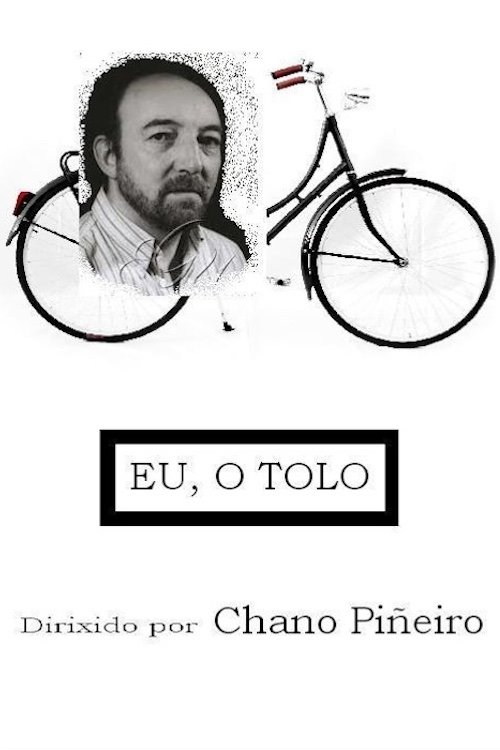
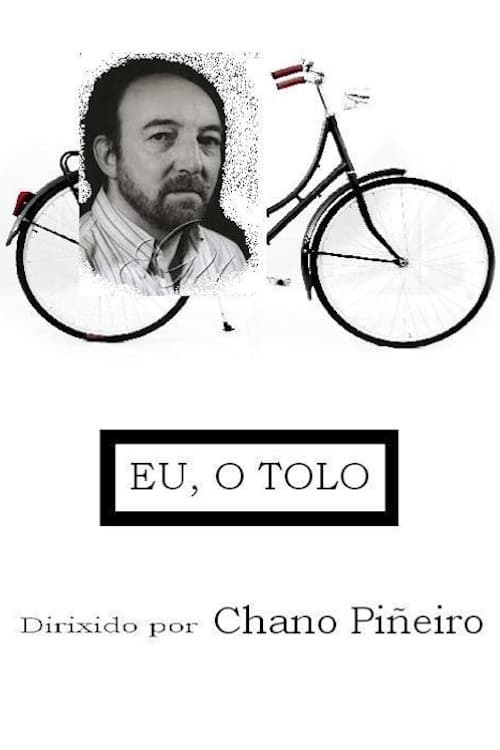
Eu, o tolo
Drama · Fantasy
Overview
A surreal and metaphysical story around an extravagant character, "Eu" [I/Me]. "Eu" marries his beloved and well-loved bicycle. Accused of the murder of the vehicle, he escapes from prison and becomes president of the government.


Xosé Manuel Olveira
Xosé Manuel Olveira
Xosé Manuel Olveira
Pilar Pereira
Pilar Pereira
Pilar Pereira
Xosé Luís Bernal
Xosé Luís Bernal
Xosé Luís Bernal
Lola Rivas
Lola Rivas
Lola Rivas
Similar Movies
Ramón Sampedro is a ship mechanic and part-time poet left a quadriplegic following a diving accident. Ramón fought for 30 years for the legal right to end his own life. He develops close relationships with his long-term lawyer Julia and his friend Rosa, who tries to convince him that his life is worth living. Despite his situation, Ramón manages to inspire those around him to live life to the fullest.
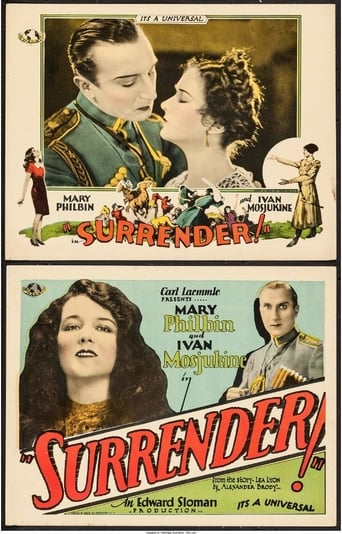
Lea Lyon, the daughter of a rabbi, lives happily with her father in their Gulicinu village, but there are rumblings of war. Soon, the village is overrun with the Imperial troops of the Russian Czar, with Constantine in Imperial command. He is attracted by the beauty of Lea and commands her to come to his quarters. She refuses and he is outraged. He orders the townspeople barred behind their doors and the village burned. Though she loves her honor above everything else, she can not bear to see the villagers suffer, and makes the lonely walk through the village to the Inn.
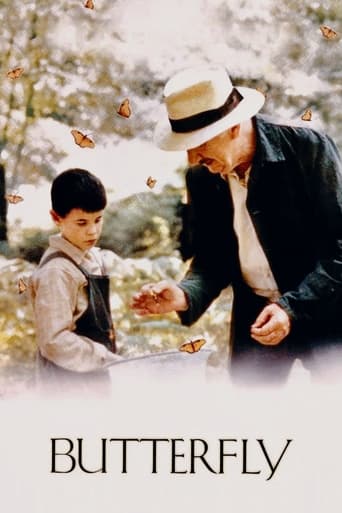
The film centres on Moncho and his coming-of-age experience in Galicia in 1936. Moncho develops a close relationship with his teacher Don Gregorio who introduces the boy to different things in the world. While the story centres on Moncho's ordinary coming-of-age experiences, tensions related to the looming Spanish Civil War periodically interrupt Moncho's personal growth and daily life.
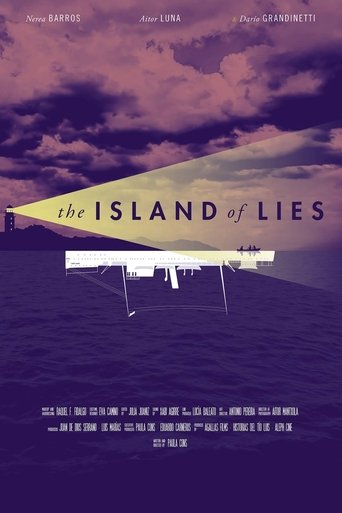
Galicia, northern Spain, January 2, 1921. The steamship Santa Isabel, sailing towards Argentina with more than two hundred emigrants on board, sinks off the coast of Sálvora Island. Three island women, María, Josefa and Cipriana, who have bravely set sail aboard a fragile skiff to save the shipwrecked, are treated as heroes by the cynical authorities; but León, an inquisitive and tenacious Argentinean journalist, starts asking uncomfortable questions.
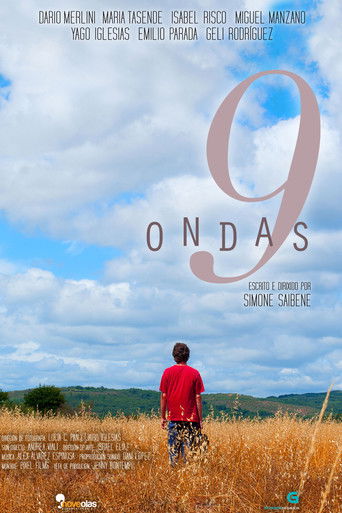
'9 waves' is an independent film, produced almost entirely by crowdfunding, approaching the issue of identity in the contemporary world. It tells the story of a man (played by Dario Merlini) who forgets his memories by drinking water from a fountain at the border between Galicia and Portugal. Thus begins a journey that will take him to iconic sites - Couto Mixto, Antela, Ourense-, to engage with different stories and special situations, before finding his way towards his real identity.
Ulises, who suffers from a marked psychomotor disorder, is cared for by his brother. One day he leaves the family home and decides to bury himself alive. His brother, desperate, finds him and convinces him to return, but he no longer knows what to do to protect him. One morning, a peddler knocks on the door and they invite him to spend the night at home. The next day Ulises decides to go with him. After traveling for a while, he offers his heart to the vendor.
During World War I, an Austrian officer is trapped behind the Russian lines. He tries to sneak through to his own lines, but is forced to take refuge in a small hotel, where he is hidden by the establishment's chambermaid. The two fall in love, but a Russian general makes the hotel his headquarters and sets his sights on the maid. In addition, the Austrian must find out the identity of a spy who is feeding the Russians military information that could lead to the destruction of the Austrian army.
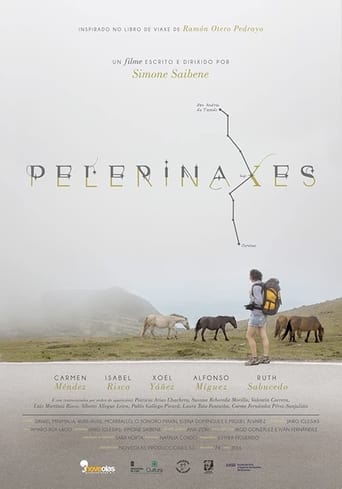
Luzía visits the eight stages of the 'pilgrimage' that the intellectuals Otero Pedrayo, Vicente Risco and Ben-Cho-Shey hiked from Ourense to San Andrés de Teixido in 1927; the story of the journey was published in the book ‘Pelerinaxes I’ (Pilgrimages I). She carries out this journey in order to finish up an audiovisual project about Otero Pedrayo’s book started at the University, together with a colleague who passed away in an accident.