

Bigger Stronger Faster*
Documentary
Overview
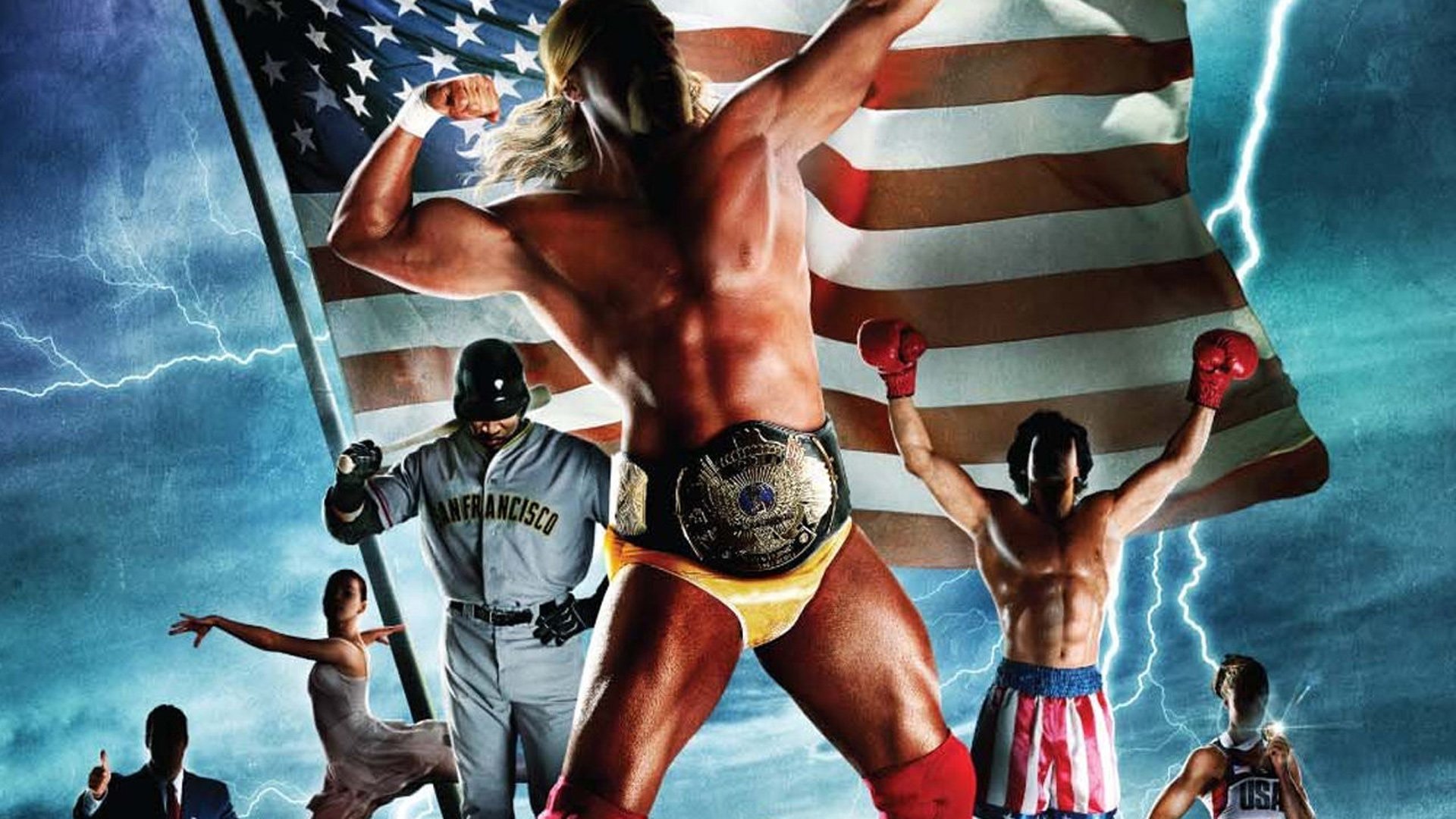
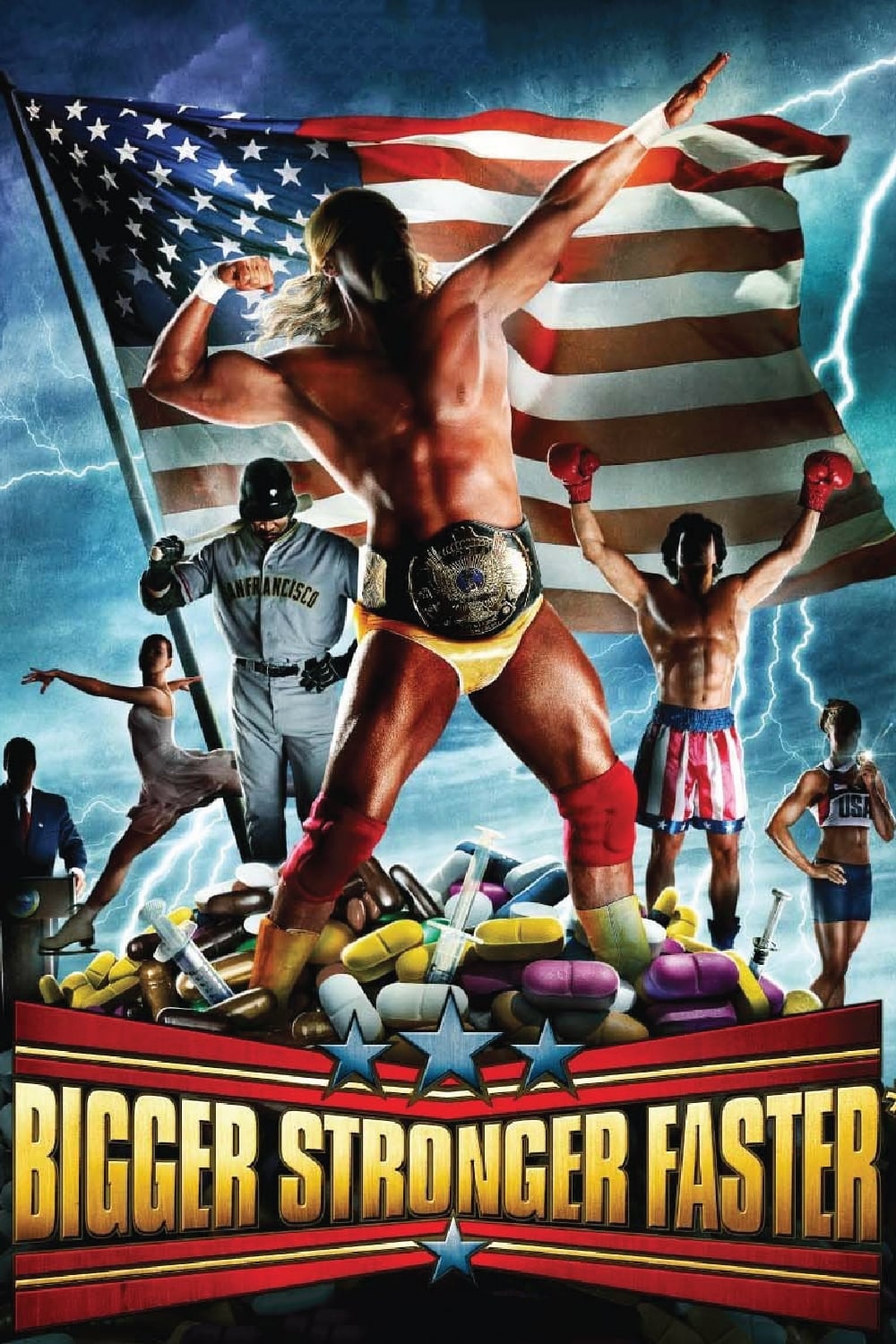
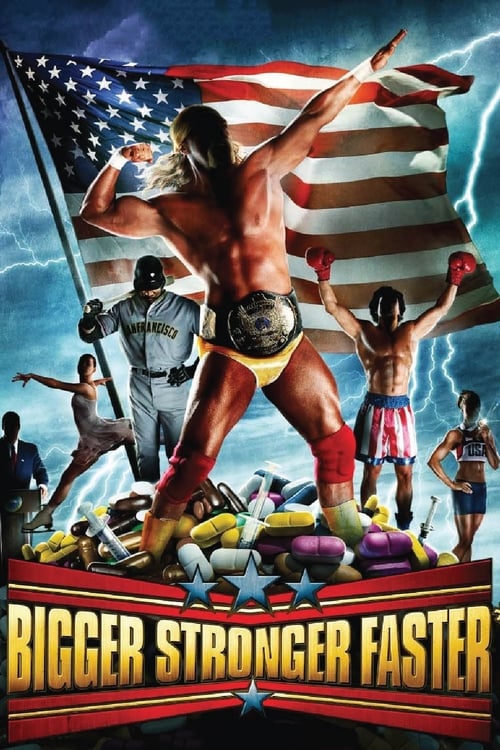
In America, we define ourselves in the superlative: we are the biggest, strongest, fastest country in the world. Is it any wonder that so many of our heroes are on performance enhancing drugs? Director Christopher Bell explores America's win-at-all-cost culture by examining how his two brothers became members of the steroid-subculture in an effort to realize their American dream.
Top Cast
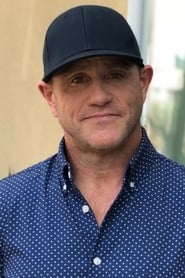
Chris Bell
Self - Host
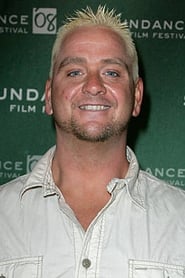
Mike Bell
Self
Mark Bell
Self
Joe Biden
Self (archive footage)
Ronald Reagan
Self (archive footage)
Al Gore
Self (archive footage)
Dick Cheney
Self (archive footage)

Laura Bush
Self (archive footage)

George W. Bush
Self (archive footage)
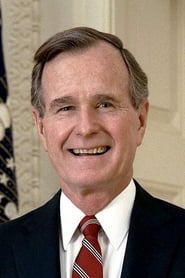
George H. W. Bush
Self (archive footage)
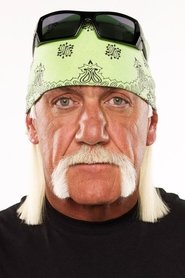
Hulk Hogan
Self (archive footage)

Arnold Schwarzenegger
Self

Chris Bell
Chris Bell
Self - Host
Chris Bell
Self - Host
Mike Bell
Mike Bell
Self
Mike Bell
Self
Mark Bell
Mark Bell
Self
Mark Bell
Self
Joe Biden
Joe Biden
Self (archive footage)
Joe Biden
Self (archive footage)
Ronald Reagan
Ronald Reagan
Self (archive footage)
Ronald Reagan
Self (archive footage)
Al Gore
Al Gore
Self (archive footage)
Al Gore
Self (archive footage)
Dick Cheney
Dick Cheney
Self (archive footage)
Dick Cheney
Self (archive footage)
Laura Bush
Laura Bush
Self (archive footage)
Laura Bush
Self (archive footage)
George W. Bush
George W. Bush
Self (archive footage)
George W. Bush
Self (archive footage)
George H. W. Bush
George H. W. Bush
Self (archive footage)
George H. W. Bush
Self (archive footage)
Similar Movies
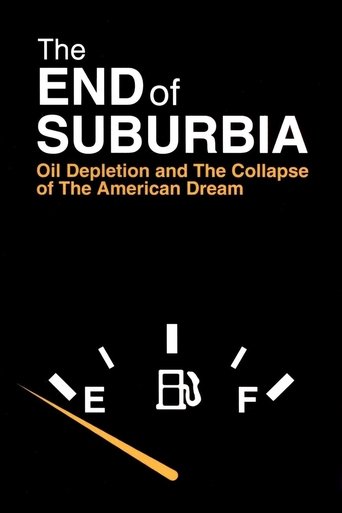
Since World War II North Americans have invested much of their newfound wealth in suburbia. It has promised a sense of space, affordability, family life and upward mobility. As the population of suburban sprawl has exploded in the past 50 years Suburbia, and all it promises, has become the American Dream. But as we enter the 21st century, serious questions are beginning to emerge...

A colorful and provocative survey of anarchism in America, the film attempts to dispel popular misconceptions and trace the historical development of the movement. The film explores the movement both as a native American philosophy stemming from 19th century American traditions of individualism, and as a foreign ideology brought to America by immigrants. The film features rare archival footage and interviews with significant personalities in anarchist history including Murray Boochkin and Karl Hess, and also live performance footage of the Dead Kennedys.
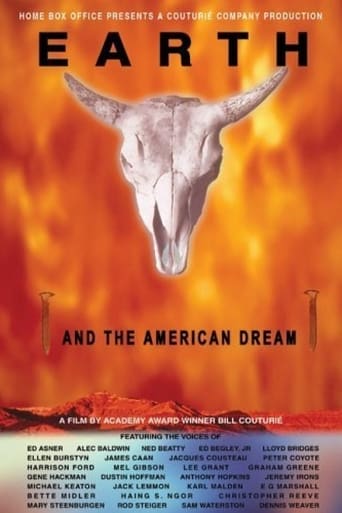
A beautiful and disturbing film recounts America’s story from the environment’s point of view. From the arrival of Columbus to the simple wilderness living of the 16th and 17th centuries, through the agrarian lifestyle of the 18th century, the changes from the Industrial Revolution, to the 20th century when most of the planet’s resources have been depleted — this film examines the North American landscape and all the wildlife destruction, deforestation, soil depletion and pollution that have been wrought to make the American Dream come true.
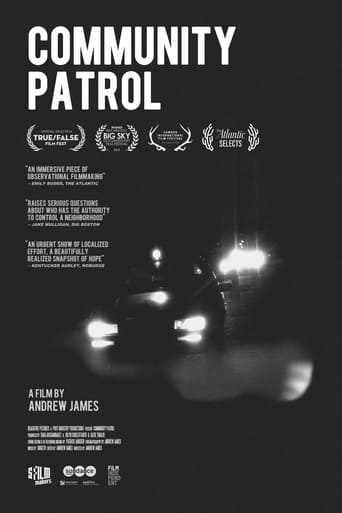
It’s been widely reported that Detroit is making a comeback, but long-term residents of Detroit’s mostly black neighborhoods aren’t seeing much benefit. Crime, lack of opportunity and infrastructure problems still persist. Community Patrol explores neighborhood self-policing through the eyes of Minister Malik Shabazz, a long-time Detroit activist and community organizer. Determined that more black men don’t end up in jail or killed, the minister confronts drug offenders directly rather than reporting them to the police.
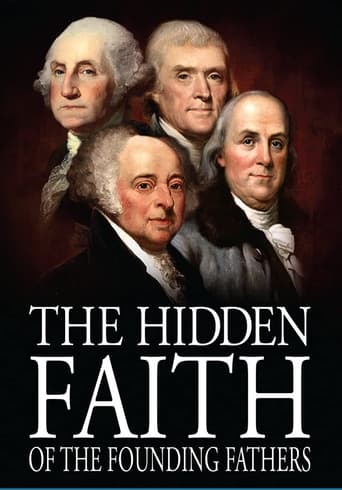
The 'Hidden Faith of Our Founding Fathers' is perhaps the first and only documentary to go where no film has ever gone before: into the hidden faith of America's founding fathers. Many founders were involved in secret societies, and yet it is often claimed these men were Christians who were trying to build a Christian nation. But was their faith the true faith of the Bible? And is it possible, as some claim, that the exact opposite is true? What did the founders believe about the Person of Jesus Christ? Were they fighting for Christianity, or against it? Moreover, is it possible that the events of the American Revolution have a much darker significance in the pages of Bible prophecy than most church leaders are aware?
The film is a controversy on democracy. Is our society really democratic? Can everyone be part of it? Or is the act of being part in democracy dependent to the access on technology, progression or any resources of information, as philosophers like Paul Virilio or Jean Baudrillard already claimed?