

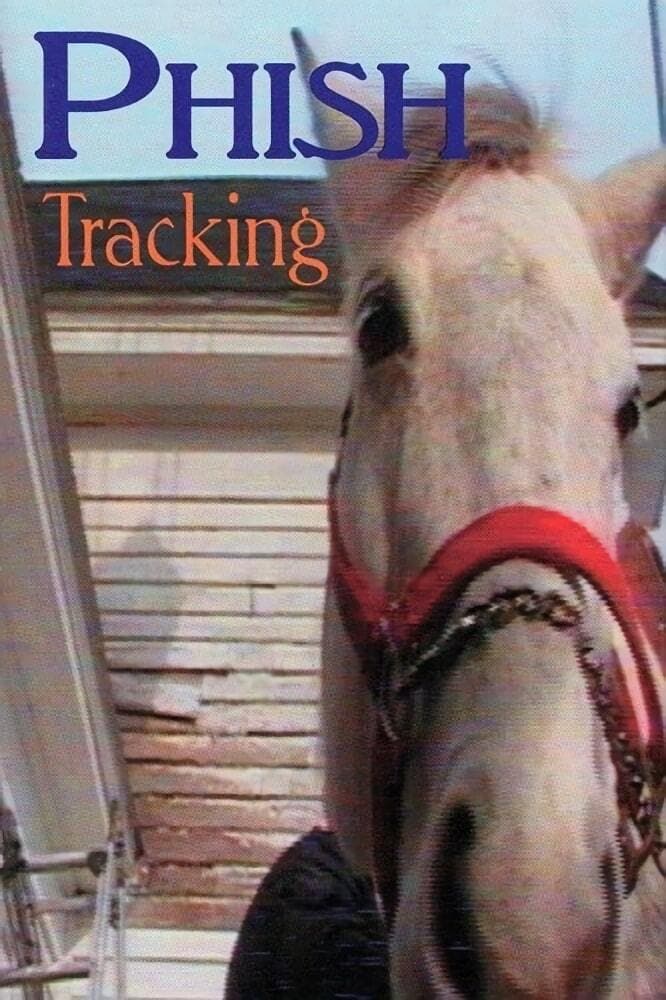
Phish: Tracking
Documentary · Music
Overview
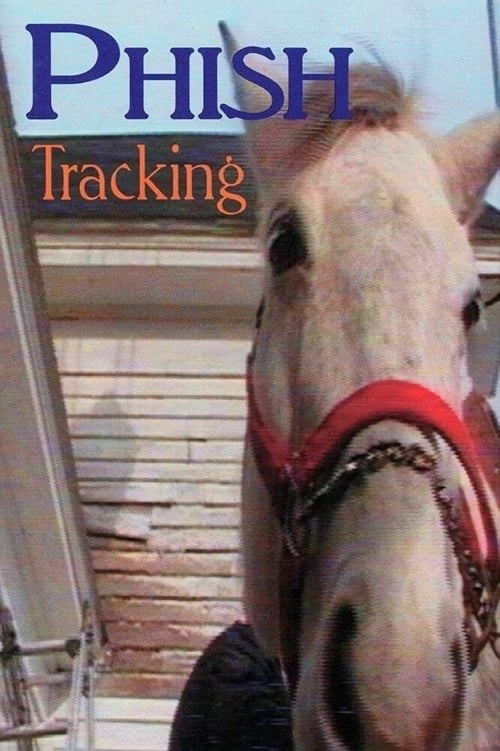
Tracking (1994) is a documentary about the band Phish and the recording of the album Hoist. It is directed by the band's bass player, Mike Gordon, who wrote, for the VHS packaging: While in the studio recording the album 'Hoister' (sic) I sported a video camera. Sometimes I pushed the record button. Others, the stop. Alas, I edited. Using machines small yet sweet, I assembled Tracking. This isn't about railroad tracks or stuffing things up the tender nostril. It's about 48 tracks of sound, adjacent on strips of plastic. Like mixing lilac petals, coriander, chunks of butter, and fennel into a soup. Tracking is the recording of different sounds, adjacent on strips of plastic. . . . Many of the musicians on the album, Alison Krauss, Béla Fleck, and actor Jonathan Frakes, are shown recording tracks that eventually wound up on the album. The documentary is approximately 25 minutes long and was produced by Cactus Films.




Trey Anastasio
Trey Anastasio
Trey Anastasio

Mike Gordon
Mike Gordon
Mike Gordon

Page McConnell
Page McConnell
Page McConnell
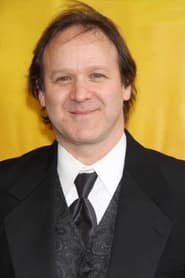
Jon Fishman
Jon Fishman
Jon Fishman
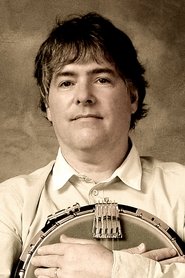
Béla Fleck
Béla Fleck
Béla Fleck

Alison Krauss
Alison Krauss
Alison Krauss

Rose Stone
Rose Stone
Rose Stone
Jean McClain
Jean McClain
Jean McClain

Jonathan Frakes
Jonathan Frakes
Jonathan Frakes
Similar Movies
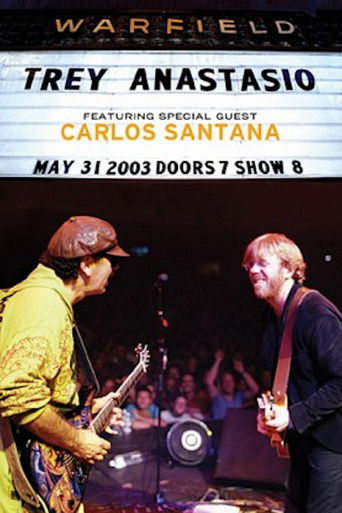
On May 31, 2003, Trey Anastasio played the second of two sold-out shows at San Francisco’s Warfield Theatre. On that night, Carlos Santana dropped by to say hello to Trey, ended up joining the ten-piece band on stage halfway through the first set, and continued to play with the group for the remainder of the night. The results were electric, suffused with spontaneous energy and exuberant interplay between the two guitarists.
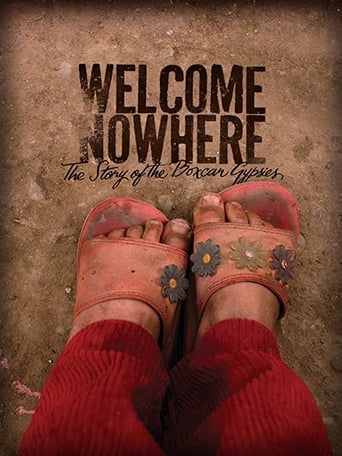
Narrated by Ethan Hawke, Welcome Nowhere tells the true story of a community of Roma people (commonly known as Gypsies) who live in old train boxcars in Sofia, Bulgaria after being forcibly evicted from their homes. Without bathrooms for more than 200 people, they struggle to survive, waiting for help from the government that never seems to come.
In 1967 Canadian filmmaker Hugh O'Connor came with a crew to eastern Kentucky to make a film showing people from all walks of life in the United States. They finished the day by filming coal miners and their families in rental houses. As the filmmakers were leaving, Hobart Ison, the owner of the property, drove up and fired three shots, killing Hugh O'Connor. Elizabeth Barrett, from Kentucky herself, explores why this happened by trying to understand the people and culture of eastern Kentucky.

The documentary is a portrait of an artist and a portrait of a deadly disease. Lene Marie Fossen was a gifted photographer who suffered from severe anorexia. Self Portrait is a film about the power of art and survival, but it also raises important questions about what treatment one who suffers from severe anorexia needs.