

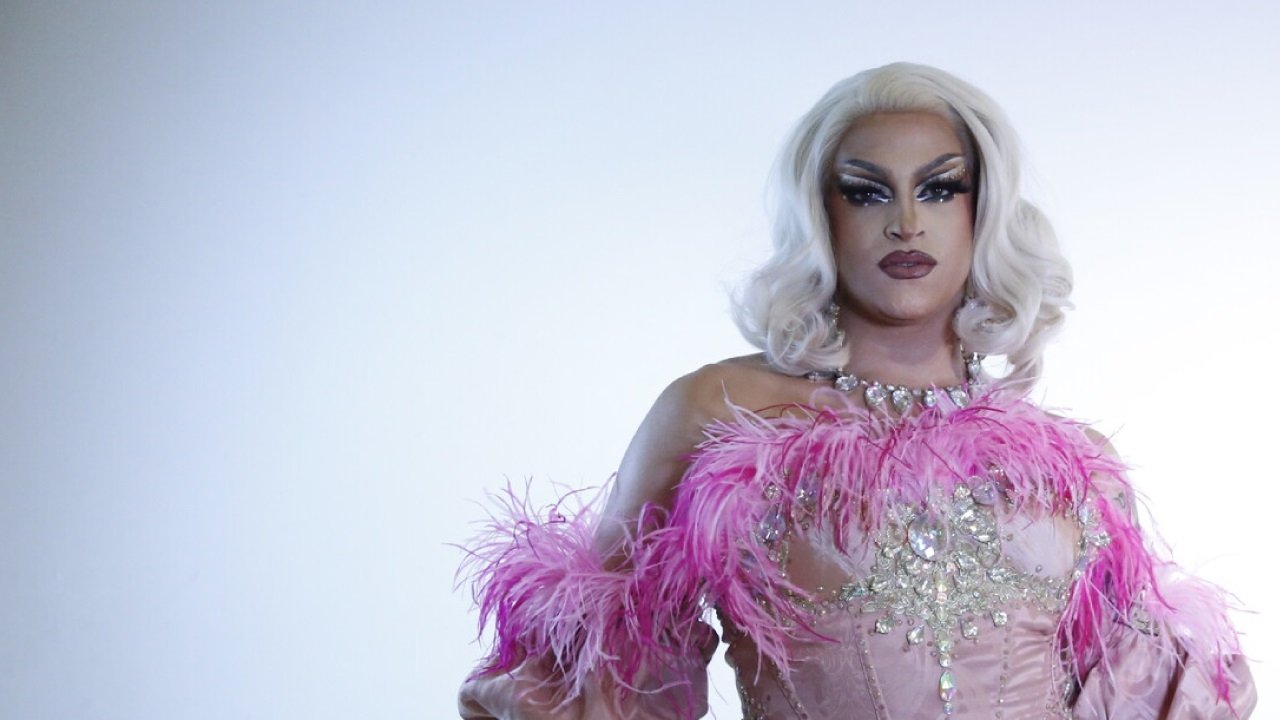
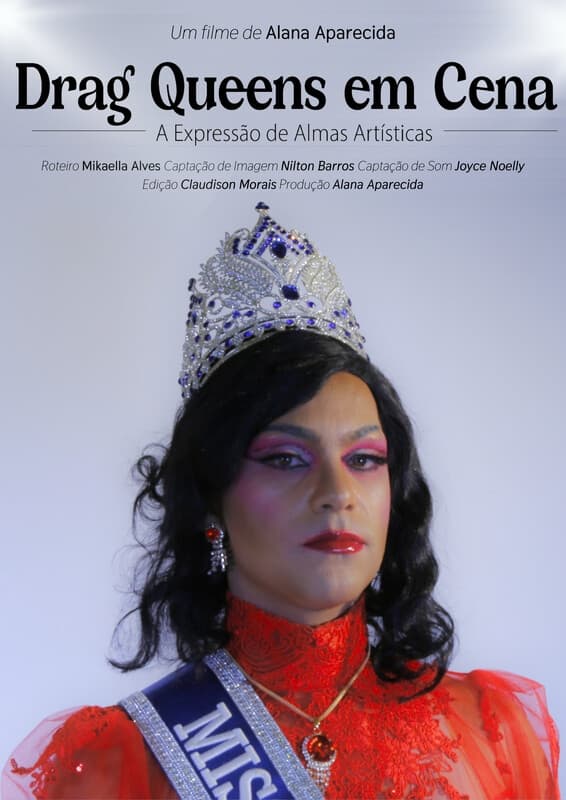
Drag Queens em Cena: A Expressão de Almas Artísticas
Documentary






No cast information.
Similar Movies
Since 1979, Rose Chong Costumiers have been dealing in elaborate and vibrant maximalist attire for hire. In 40 years, it has established itself as an iconic and legendary Melbourne staple among the Inner-North's queer scene. But neither Rose Chong's nor fancy-dress are as simple as they first seem according to Dan, one of the long-time "Chongettes" who works there. When considered with care and attention, they reveal glittering ideas of play and fun and community. From a queer lens - or rather, a mirror - this unassuming costume shop is a place where one might begin to conceive truths about themselves and their identities. How to Dress Like Me is a 5-minute documentary that contends with the intersections of play, queerness, and clothes.
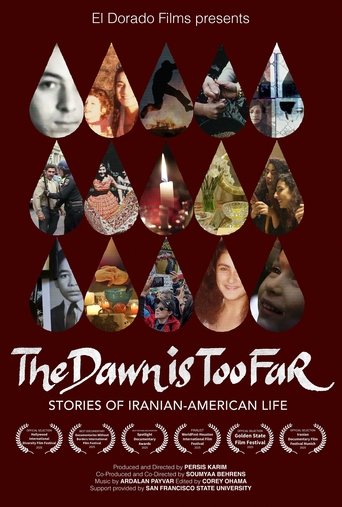
The Dawn is Too Far: Stories of Iranian-American Life poetically narrates the story of a community of Iranian Americans who have made the San Francisco Bay Area their home over the past five decades. The film explores Iranian immigration through turbulent histories of dissent, revolution, war, and separation, and the reinvention of identity in a new land and culture. The Dawn is Too Far highlights how Iranian students, activists, and artists have navigated displacement while drawing on and influencing Bay Area culture. This community offers a more nuanced story of the Iranian diaspora—the ways that this community enriches the region where they live, work, and build families. The Dawn is Too Far undermines the tired and overplayed news headlines that are dominated by narratives of enmity and mistrust between the government of Iran and the U.S., to offer a more humane understanding of the how people's lives and the sacrifices they make are part of the larger story of immigration.
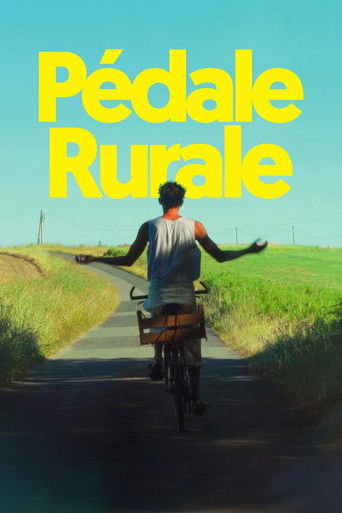
Benoît built his paradise hidden from view, emancipated in his own way, resolved to face the constraints of a space which, in imaginations, conflicts with his identity. The countryside. One day, he and other queers from the area decide to organize the first Pride of the Périgord vert, because it is time to come out, to take up space to celebrate, heal, and finally open a path.
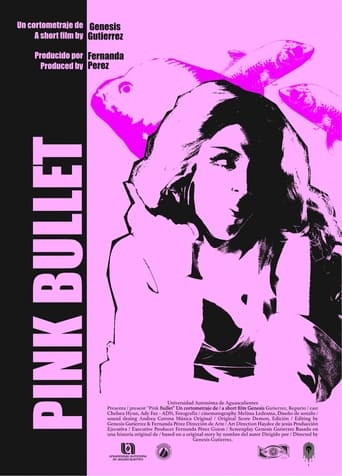
Two drag queens living in a place where homophobia and transphobia are common open their hearts to the world, revealing the human being behind the makeup and wigs. They share the reality of drag as an art form and what it means to move forward as part of the LGBTTTI+ community in a Latin American context.