


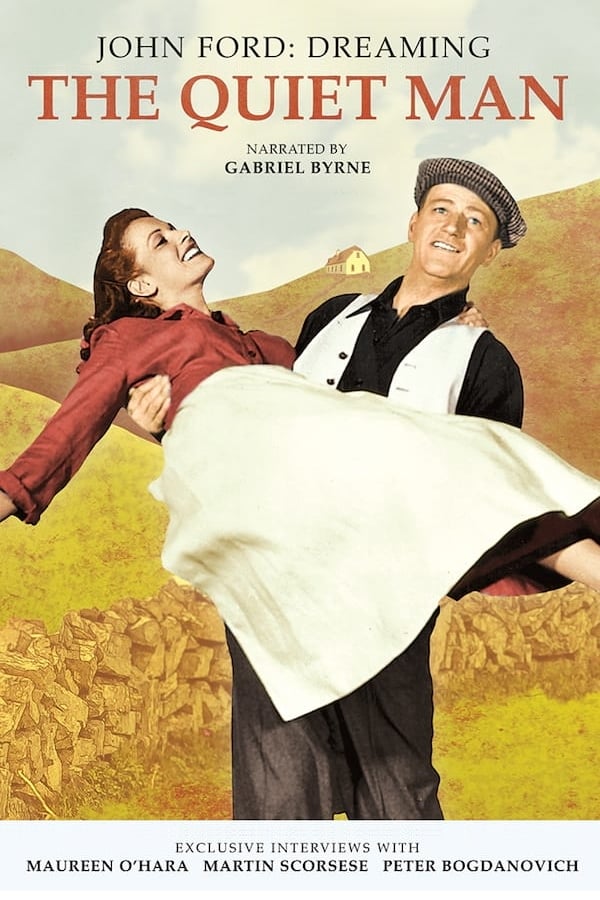
John Ford: Dreaming the Quiet Man
Documentary
Overview
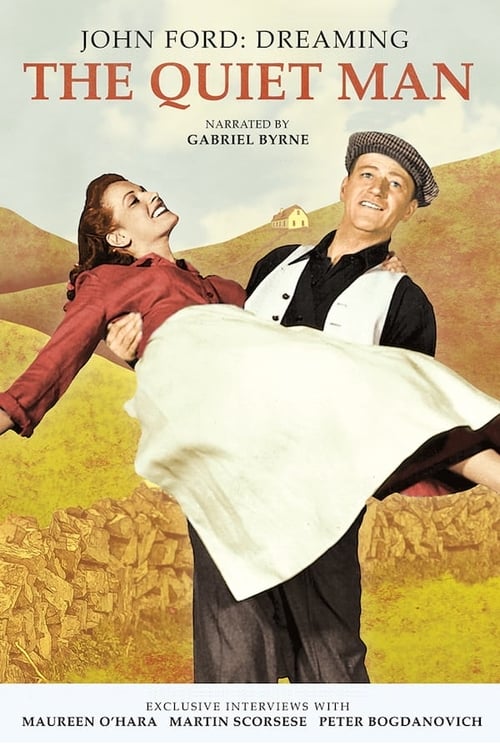
Dreaming the Quiet Man’ includes interviews with aficionados of Ford like, Martin, Scorsese, Peter Bogdanovicz, Jim Sheridan, William Dowling, and Joe McBride. There is mesmeric archive and rare photographs of the making of the film. The main location of the documentary is Ford’s ancestral homeland of Connemara, on the west coat of Ireland, where his parents were born. We meet Ford’s cousins, the Feeney’s who tell the story of Ford’s parent’s departure from Ireland after the Great Famine and the young Ford’s return to Ireland in 1922 to visit his cousins the Thornton’s and saw their house being burned down by the infamous Black and Tans. Ford, under the pretense of scouting locations for a movie, gave money to the IRA. We travel to Portland Maine where Ford grew up and went on to become a director in the first bloom of Hollywood. The boy made it good but Ireland was always on his mind.



Gabriel Byrne
Gabriel Byrne
Narrator
Gabriel Byrne
Narrator

Maureen O'Hara
Maureen O'Hara
Self
Maureen O'Hara
Self
Peter Bogdanovich
Peter Bogdanovich
Self
Peter Bogdanovich
Self
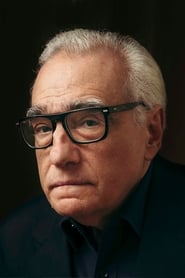
Martin Scorsese
Martin Scorsese
Self
Martin Scorsese
Self
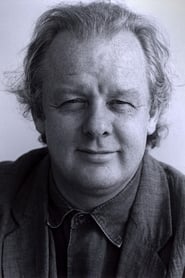
Jim Sheridan
Jim Sheridan
Self
Jim Sheridan
Self
Similar Movies
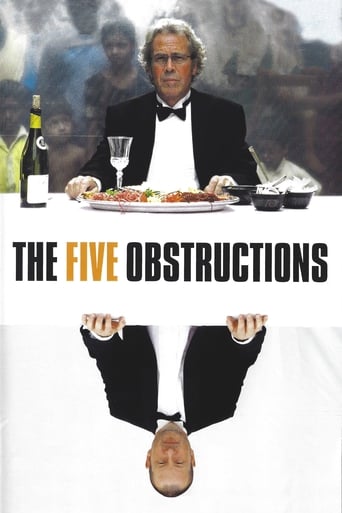
In 1967, experimental filmmaker Jorgen Leth created a striking short film, The Perfect Human, starring a man and women sitting in a box while a narrator poses questions about their relationship and humanity. Years later, Danish director Lars von Trier made a deal with Leth to remake his film five times, each under a different set of circumstances and with von Trier's strictly prescribed rules. As Leth completes each challenge, von Trier creates increasingly further elaborate stipulations.
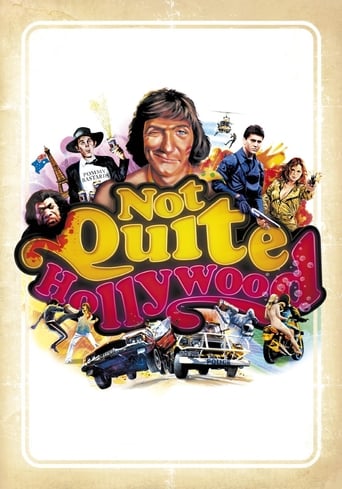
As Australian cinema broke through to international audiences in the 1970s through respected art house films like Peter Weir's "Picnic At Hanging Rock," a new underground of low-budget exploitation filmmakers were turning out considerably less highbrow fare. Documentary filmmaker Mark Hartley explores this unbridled era of sex and violence, complete with clips from some of the scene's most outrageous flicks and interviews with the renegade filmmakers themselves.

This documentary captures the sounds and images of a nearly forgotten era in film history when African American filmmakers and studios created “race movies” exclusively for black audiences. The best of these films attempted to counter the demeaning stereotypes of black Americans prevalent in the popular culture of the day. About 500 films were produced, yet only about 100 still exist. Filmmaking pioneers like Oscar Micheaux, the Noble brothers, and Spencer Williams, Jr. left a lasting influence on black filmmakers, and inspired generations of audiences who finally saw their own lives reflected on the silver screen.
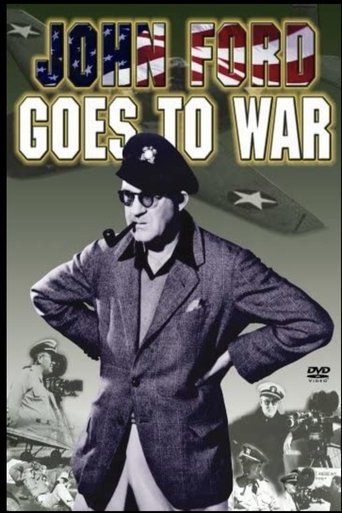
When World War II broke out, John Ford, in his forties, commissioned in the Naval Reserve, was put in charge of the Field Photographic Unit by Bill Donavan, director of the soon-to-be-OSS. During the war, Field Photo made at least 87 documentaries, many with Ford's signature attention to heroism and loss, and many from the point of view of the fighting soldier and sailor. Talking heads discuss Ford's life and personality, the ways that the war gave him fulfillment, and the ways that his war films embodied the same values and conflicts that his Hollywood films did. Among the films profiled are "Battle of Midway," "Torpedo Squadron," "Sexual Hygiene," and "December 7."
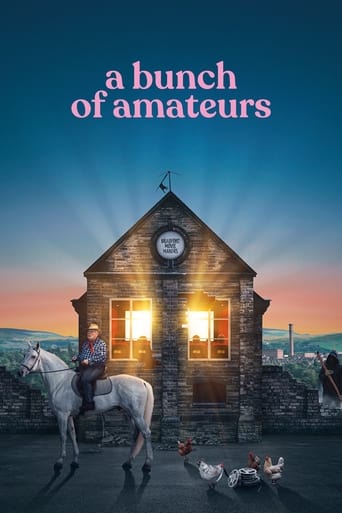
A bunch of British working class amateur filmmakers with nothing left to lose tackle one of Hollywood's greatest musicals in order to save their beloved Club. Britain’s oldest amateur filmmaking club struggles to survive, as its members grow old amid flickering memories and hardships. In the northern industrial town of Bradford, England, a handful of diehard amateur filmmakers desperately cling to their dreams, and to each other, in this warm and funny look at shared artistic folly that speaks to the delusional dreamer in us all.
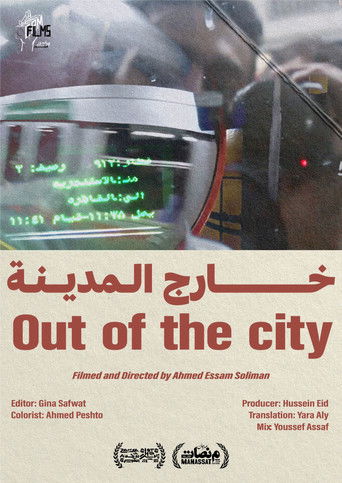
"A young filmmaker studying at the Alexandria Higher Institute of Cinema (AHIC) struggles with an internal conflict; torn between his deep loyalty to his hometown of Alexandria and his burning desire to immerse himself in the vibrant film scene of Cairo, the bustling capital. He discusses the matter with a fellow AHIC student, where they share their thoughts and questions about the meaning of success and their personal aspirations. This shared exploration becomes a search for a guiding light, a clue that reveals whether their chosen paths will lead them to their desired futures.

Despite the anti-Semitic campaign launched by the Polish People's Government in the late 1960s, director Jerzy Hoffman finishes working on the film Pan Wołodyjowski. It becomes the ticket to the production of Potop, the most expensive film in the history of Polish cinematography. During his work, the director not only has to deal with mounting production problems, the distrust of the People's Government, but also with the expectations of millions of Poles.