

JO de Berlin 36, la grande illusion
Documentary · History · TV Movie
Overview
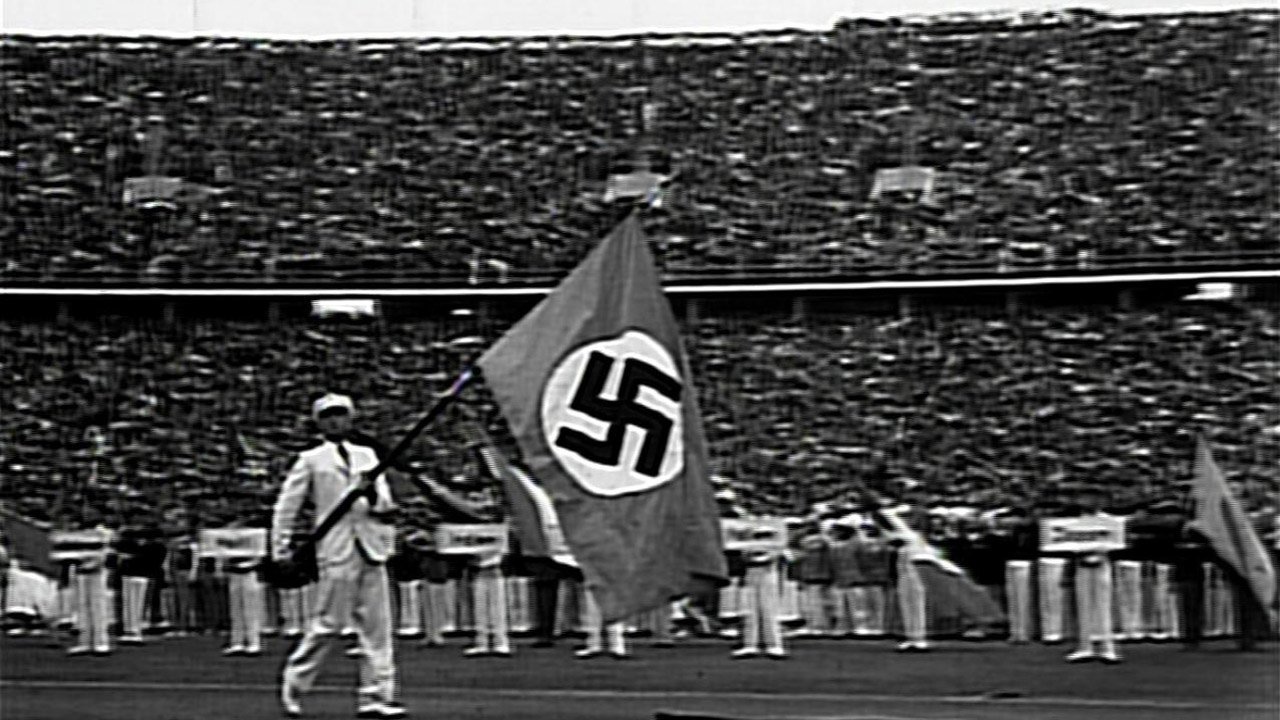
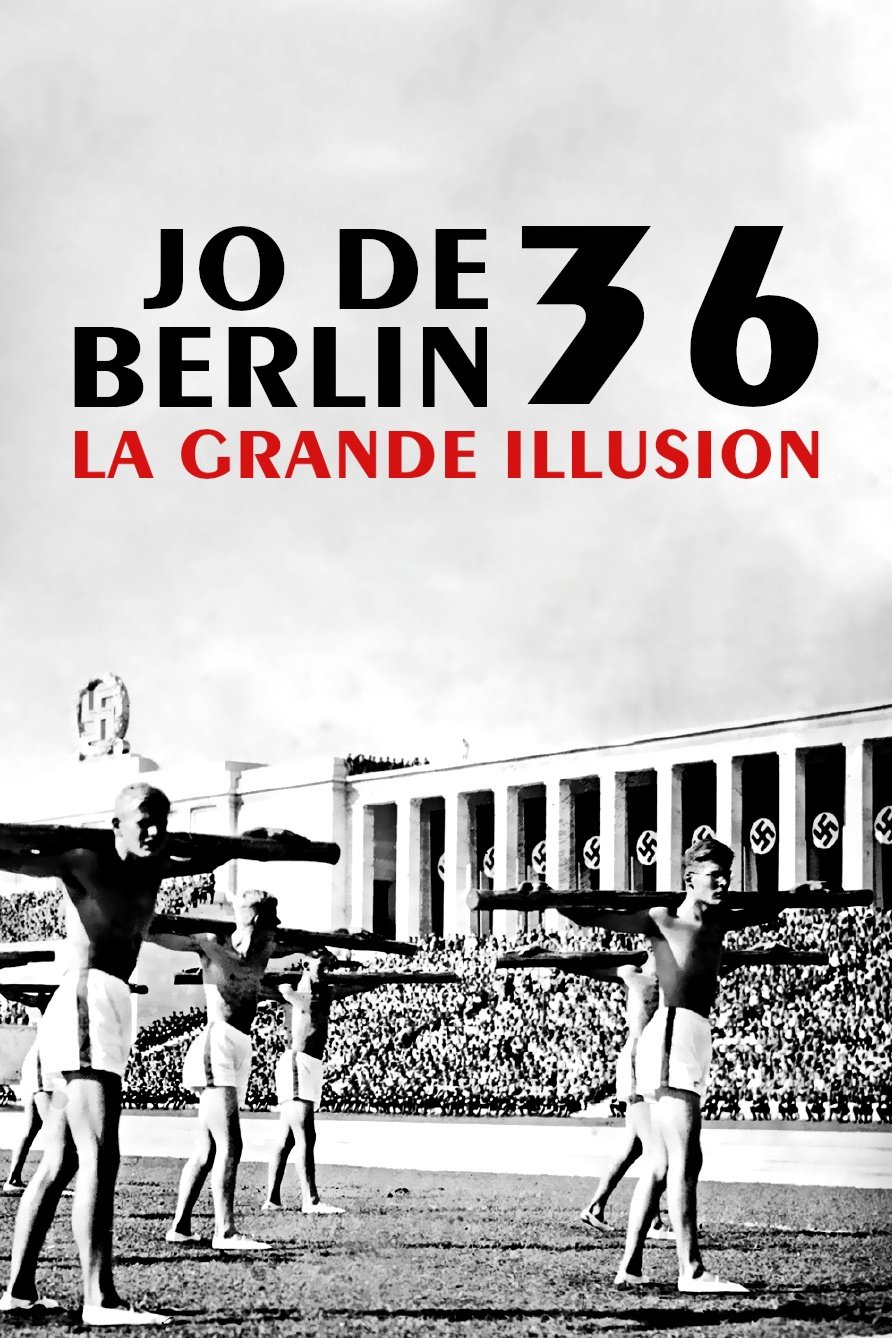
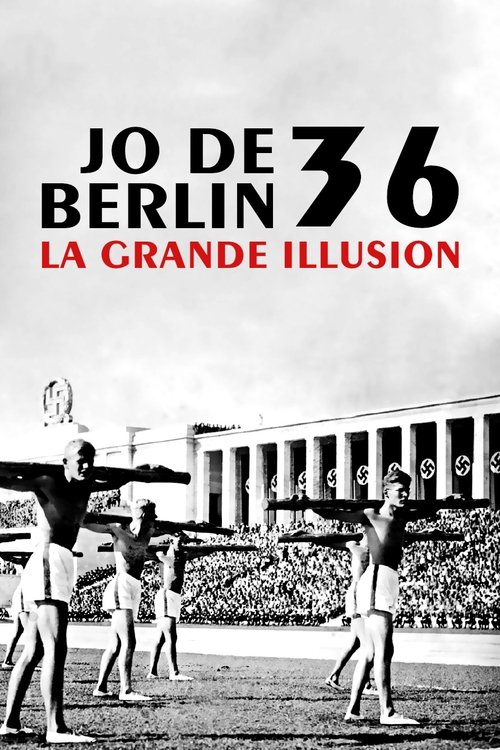
In August 1936, the Olympic Games, orchestrated by Joseph Goebbels, the Third Reich's Minister of Propaganda, took place in Berlin. This was a vast charm offensive designed to present Germany as a nation that respected the Olympic principles of equality and fraternity. This documentary reveals the political strategies of the Third Reich, which benefited from the complicity of the International Olympic Committee in thwarting calls for a boycott by several countries. Once the games were over, Nazi policy intensified. How could the civilized world turn a blind eye to this "great illusion"? Gretel Bergmann, the German Jewish athlete at the center of a bargaining chip between the German authorities and the US government, and Noël Vandernotte, who won a bronze medal in rowing, share their stories.






No cast information.
Similar Movies
Heavy metal band Iron Maiden's 2008 Somewhere Back in Time World Tour. This concert recording accompanies the documentary film "Iron Maiden: Flight 666". The 16 songs performed were filmed live in 16 different cities giving you the full experience of the live power of Maiden and their fans all around the globe.
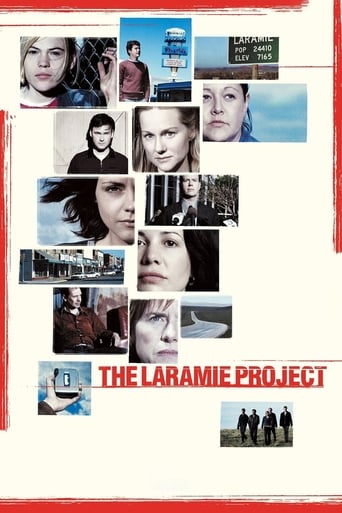
"The Laramie Project" is set in and around Laramie, Wyoming, in the aftermath of the murder of 21-year-old Matthew Shepard. To create the stage version of "The Laramie Project," the eight-member New York-based Tectonic Theatre Project traveled to Laramie, Wyoming, recording hours of interviews with the town's citizens over a two-year period. The film adaptation dramatizes the troupe's visit, using the actual words from the transcripts to create a portrait of a town forced to confront itself.
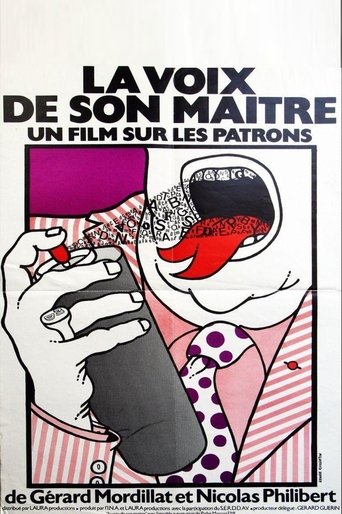
Jacques Lemonnier of IBM France, Francois Dalle of L'Oreal and other ultrapowerful French moguls are surprisingly candid -- and cold-blooded -- as they discuss their attitudes about business in this startling 1978 documentary. After sounding off about unions, strikes, hierarchy and management, the subjects realized how callous they sounded and managed to convince the French government to suppress the film.
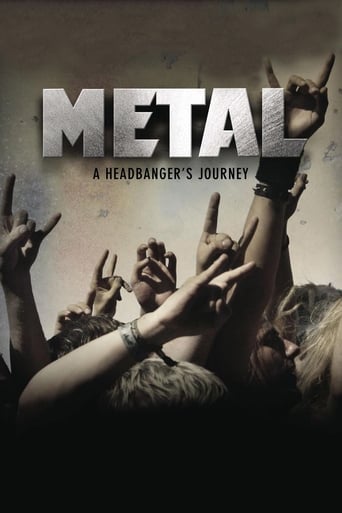
The film discusses the traits and originators of some of metal's many subgenres, including the New Wave of British Heavy Metal, power metal, Nu metal, glam metal, thrash metal, black metal, and death metal. Dunn uses a family-tree-type flowchart to document some of the most popular metal subgenres. The film also explores various aspects of heavy metal culture.
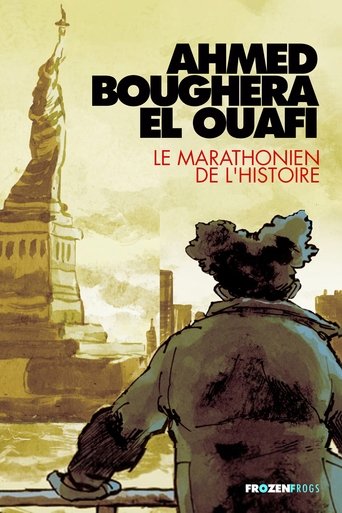
On August 5, 1928, after 2 hours and 32 minutes of racing, the 71st rooster wearing the bib entered the Olympic stadium in Amsterdam. Ahmed El Ouafi Bouguéra wins the gold medal and becomes the first Olympic champion from the African continent. He achieved his feat under the tricolor flag. The start of his real marathon is underway. The history of sport extends to the history of Algeria and France. This documentary retraces the different stages of the life of this great champion, not only the history of sport but also the great story. Archival photographs and interviews mingle with the painted paintings. The series thus once again gives voice to this forgotten hero, one of the great heroes of immigration who defended France for more than a century.
More than two-dozen music-videos directed by filmmaker Mark Romanek (One-Hour Photo) are collected together in this compilation from Palm Pictures. Among the songs featured in The Work of Director Mark Romanek are "Novocaine for the Soul" by Eels, "99 Problems" by Jay-Z, and "Hurt" by Johnny Cash.
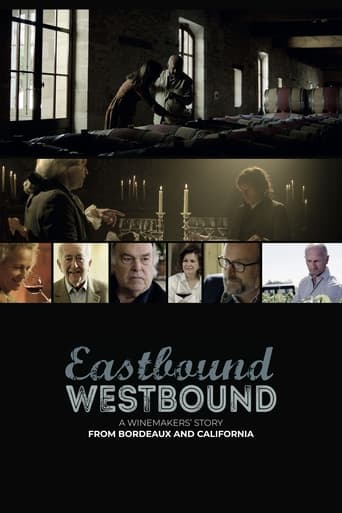
A modern and fast-paced cinematic documentary that aims to trace, understand and demonstrate the historical and unwavering links between the United States, Bordeaux and its wines. An investigation like no other, Eastbound Westbound lets the viewer understand how this Franco-American friendship around Bordeaux wines had its starting point in the 18th century around the greatest connoisseur of fine wines and lover of Bordeaux, the American Thomas Jefferson, US Ambassador to Paris and third President of the United States. To better demonstrate Thomas Jefferson’s legacy, this intimate relationship between the two winegrowing continents is illustrated through interlinked portraits of wine families, from many and varied backgrounds but all sharing a real passion for wine. Leading players in their field, they produce some of the best wines in the world.