

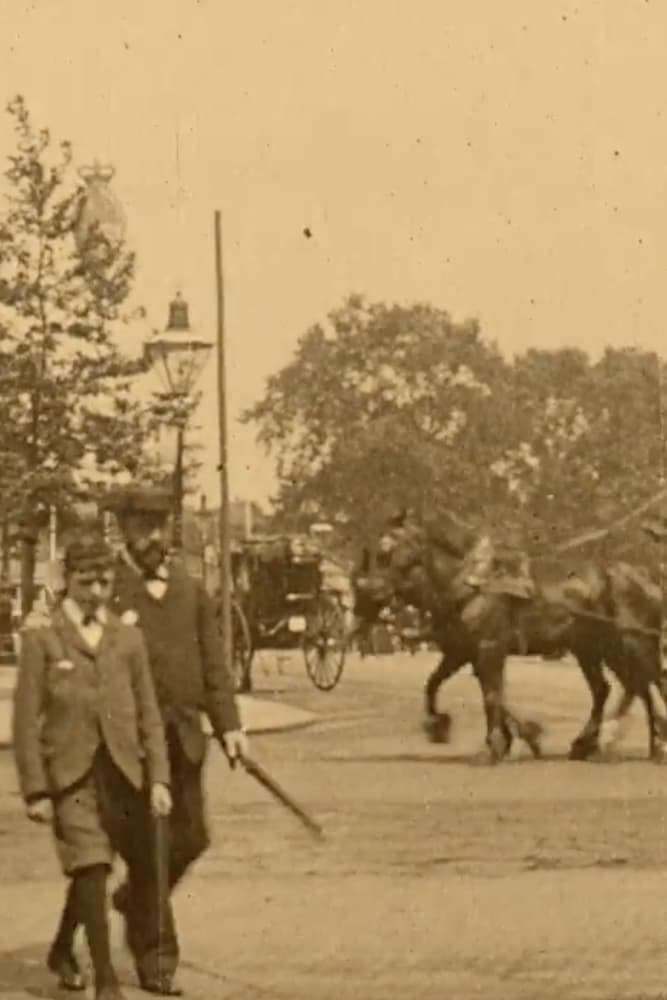
Hyde Park Corner
Documentary
Overview
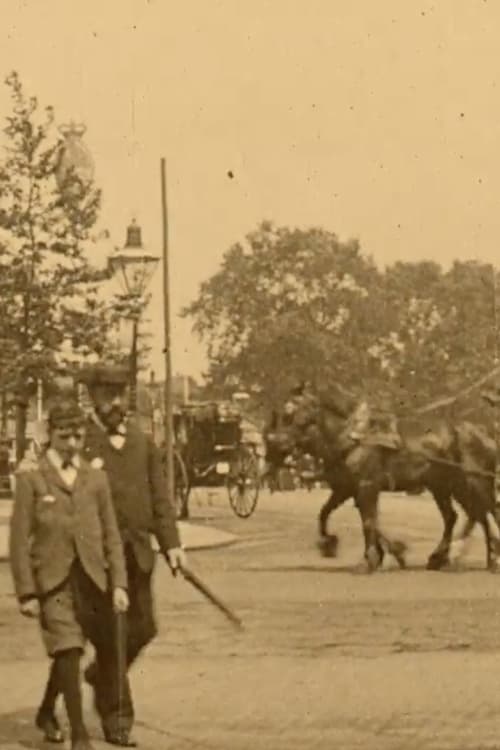
Film made at Hyde Park Corner in 1896 by an unknown filmmaker. It looks south west across Grosvenor Place. The southern wing of St George's Hospital (today the Lanesborough Hotel) can be seen on the right of the picture. The road stretching away in the centre of the picture is Grosvenor Crescent. The busy two way horsedrawn traffic movement is seen on what would today be Grosvenor Place and Apsley Way (the road layout now is different to 1896). The approximate camera position would be today on Apsley Way, just east of the Royal Artillery Memorial. Not to be confused with another Hyde Park Corner film by British Pathé made in the same year but with a different view. (That film looks north towards the triumphal arch at the corner of Hyde Park next to Apsley House.)



No cast information.
Similar Movies
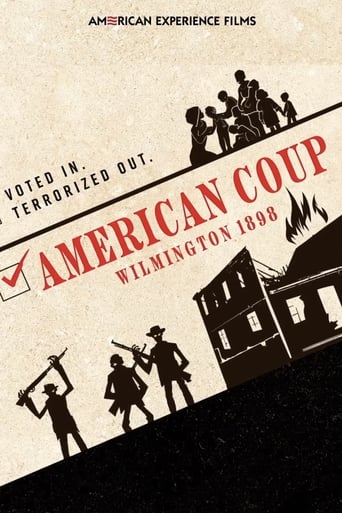
The little-known story of a deadly race massacre and carefully orchestrated insurrection in North Carolina’s largest city in 1898 — the only coup d’état in the history of the US. Stoking fears of 'Negro Rule', self-described white supremacists used intimidation and violence to destroy Black political and economic power and overthrow Wilmington’s democratically-elected, multi-racial government. Black residents were murdered and thousands were banished. The story of what happened in Wilmington was suppressed for decades until descendants and scholars began to investigate. Today, many of those descendants — Black and white — seek the truth about this intentionally buried history.
Inspired by a book by acclaimed historian Simon Schama, Murder at Harvard uses a combination of film-noir drama and present-day documentary footage to tell the true tale of one of the most notorious American crimes of the 19th century. Grappling with frustrating gaps in the historical record, Schama assumes the role of a time-travelling detective who takes an unusual step for an historian and imagines how certain scenes and encounters might have played out. "Maybe I thought what I was after was not a literal documentary truth," Schama tells us, "but a poetic truth — an imaginative truth — and for that I was going to have to become my own Resurrection man. I was going to have to make these characters live again."

With a divine answer to a humble prayer at age 14, Joseph Smith began to fulfill his inspired mission. He translated the ancient Book of Mormon and restored the everlasting gospel of Jesus Christ. Many flocked to the American frontier to worship with the Church of Jesus Christ of Latter-day Saints, led by the Prophet Joseph's dynamic and courageous example. Unstopped by his martyrdom at age 38, Joseph's legacy continues today in the dedicated lives of Saints throughout the world who still sing; "Praise to the Man who Communed with Jehovah!"
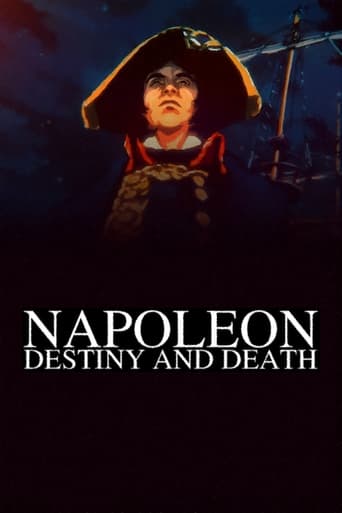
May 5, 1821. Napoleon Bonaparte, deposed emperor exiled on the island of St. Helena, is about to take his last breath. The son of a Corsican family, he has been close to death on many occasions since, as a young captain in the revolutionary army, he seized Toulon from the royalists in 1793.
An exploration of Edmond Dédé and Basile Barès were 19th-century New Orleans composers of color. Dédé, born free, was an orchestral composer and violist, known for his opera Morgiane. Barès, born into slavery, was a pianist and composer of music for dance halls, unique for being the only known American composer with a copyright assigned to his work while enslaved.