

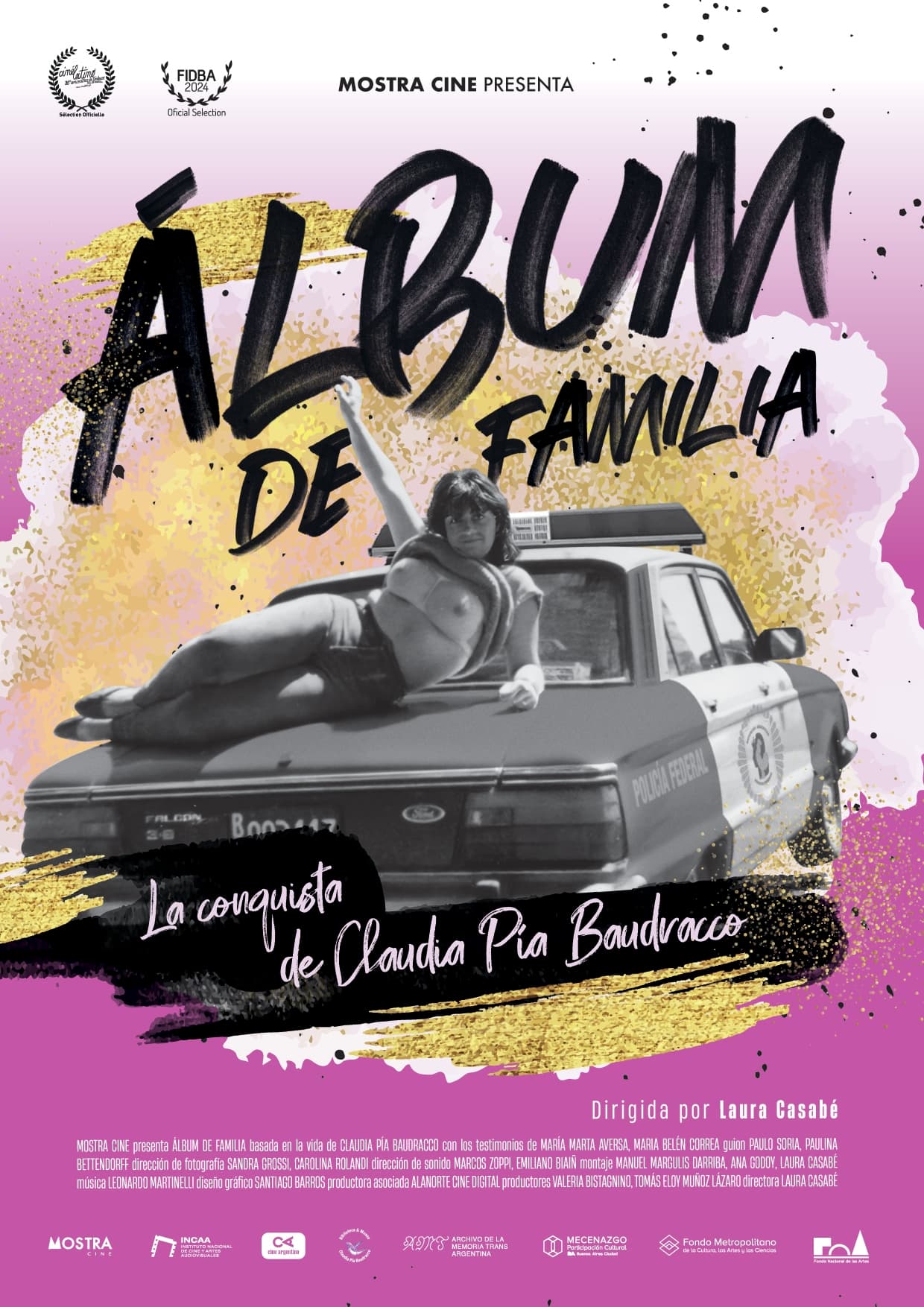
Family Album
Documentary
Overview
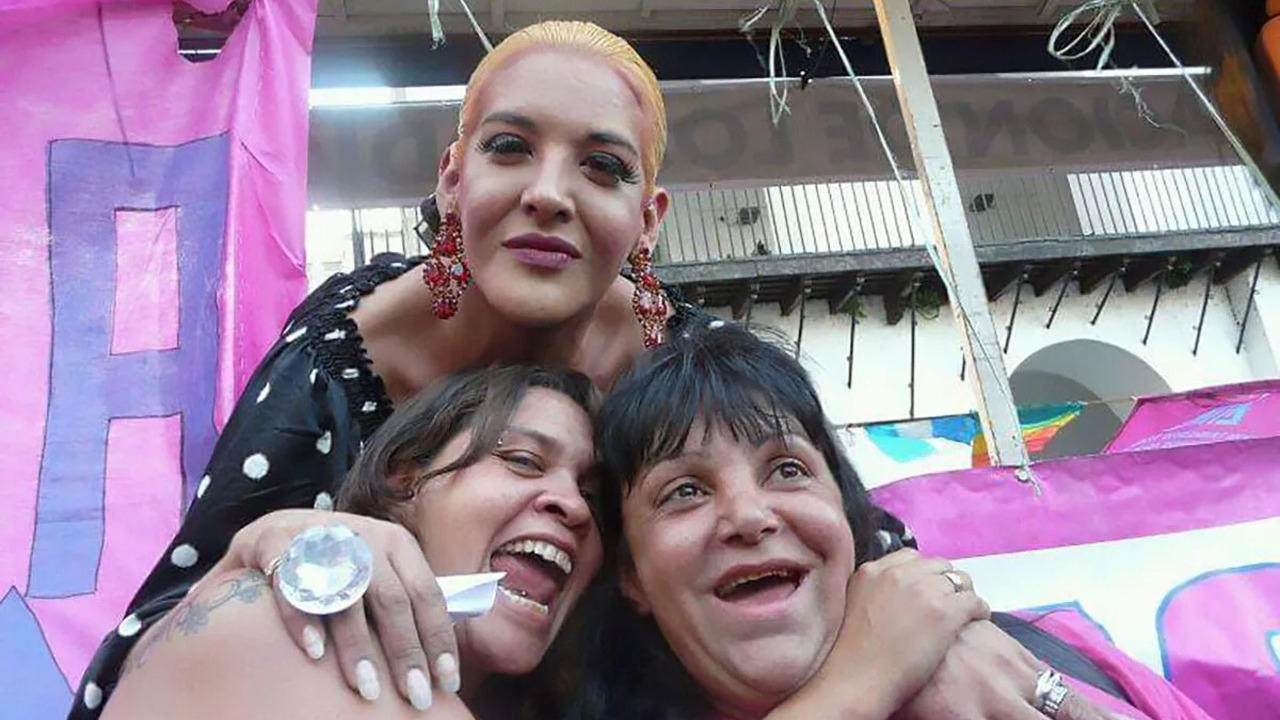
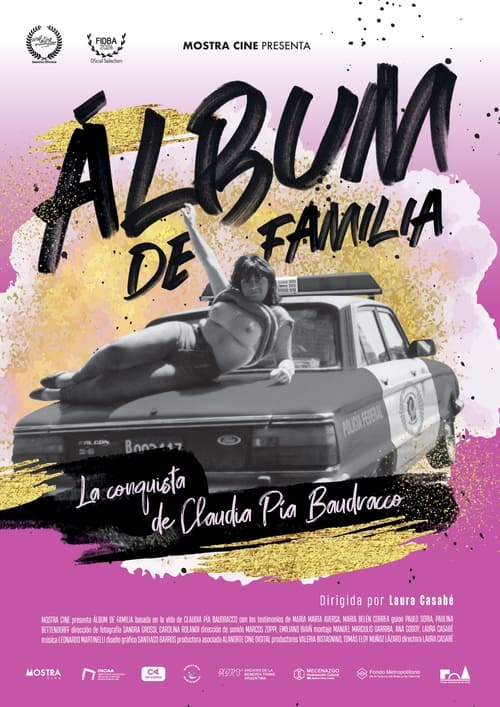
Through archive footage and images as well as interviews, the movie paints the portrait of a legendary trans womens' rights activist in Argentina. Like a family album to flip through, the narrative charts the ties solidarity and mutual aid create between people of the LGBTQI+ community and the long road to make the personal political, during the brutal 1980s in latin America.
Top Cast




María Belén Correa
María Belén Correa
María Belén Correa
María Belén Correa
María Belén Correa
Maria Marta Aversa
Maria Marta Aversa
Maria Marta Aversa
Maria Marta Aversa
Maria Marta Aversa
Angela Vanni
Angela Vanni
Angela Vanni
Angela Vanni
Angela Vanni
Marcela Soldavini
Marcela Soldavini
Marcela Soldavini
Marcela Soldavini
Marcela Soldavini
Maria Rachid
Maria Rachid
Maria Rachid
Maria Rachid
Maria Rachid
Wanda Sánchez
Wanda Sánchez
Wanda Sánchez
Wanda Sánchez
Wanda Sánchez
Jésica Peralta
Jésica Peralta
Jésica Peralta
Jésica Peralta
Jésica Peralta
Gustavo Kruger
Gustavo Kruger
Gustavo Kruger
Gustavo Kruger
Gustavo Kruger
Mariana Welfa Gutiérrez
Mariana Welfa Gutiérrez
Mariana Welfa Gutiérrez
Mariana Welfa Gutiérrez
Mariana Welfa Gutiérrez
Andrea Dafne Guirin Missi
Andrea Dafne Guirin Missi
Andrea Dafne Guirin Missi
Andrea Dafne Guirin Missi
Andrea Dafne Guirin Missi
Similar Movies
A chronicle on the days without Jorge Julio López, key witness and complainant on the first trial on genocide in Argentina, dated in 2006. López, who had survived through concentration camps on the late seventies argentinian dictatorship, disappeared for the second time the day the court decision meant to condemn his kidnappers was about to be read.
After the fall of the military dictatorship in 1983, successive democratic governments launched a series of reforms purporting to turn Argentina into the world's most liberal and prosperous economy. Less than twenty years later, the Argentinians have lost literally everything: major national companies have been sold well below value to foreign corporations; the proceeds of privatizations have been diverted into the pockets of corrupt officials; revised labour laws have taken away all rights from employees; in a country that is traditionally an important exporter of foodstuffs, malnutrition is widespread; millions of people are unemployed and sinking into poverty; and their savings have disappeared in a final banking collapse. The film highlights numerous political, financial, social and judicial aspects that mark out Argentina's road to ruin.
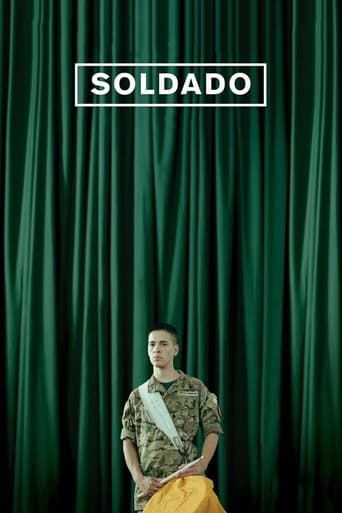
A young man decides to join the army. He becomes the drummer in the military band, and his everyday life is now a combination of military training and music. What does the Argentine Army do these days, more than thirty years after the dictatorship? What does it mean to be a soldier in a country without wars?
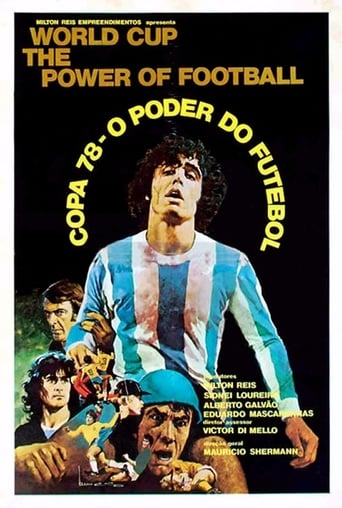
Documentary about the Football World Cup held in Argentina in 1978, focusing on the competition and behind the scenes of the most important soccer competition in the world. Two versions of the 1978 official film exist, the first "Copa 78 - O Poder do Futebol" was made by Brazilian directors Maurício Sherman and Victor di Mello in 1979 but was later withdrawn by FIFA because of its controversial content. The film includes an interview with Rodolfo Galimberti, one of the leaders of the Montoneros guerrilla group and also made accusations that the Argentinian competition organisation committee had deliberately hindered Brazilian chances of success by tampering with the pitch at Mar del Plata.