

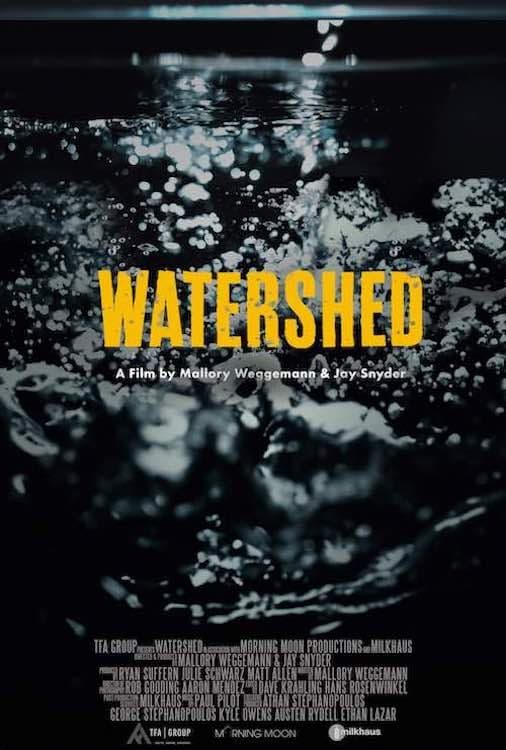
WATERSHED
Documentary
Overview
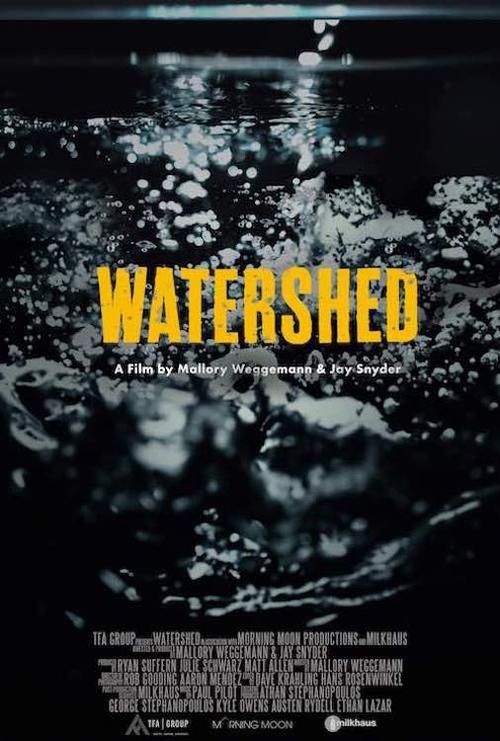
WATERSHED chronicles the story of Mallory Weggemann, who was paralyzed at the age of 18 and found refuge in the pool as a swimmer. Having won five Paralympic medals, Weggemann is now not only looking to reclaim her spot on the podium, but she’s trying to become a mother as well. In WATERSHED, which was self-documented by Weggemann and her husband Jay Snyder, Weggemann trains for the Tokyo Paralympics during COVID-19 and battles an additional injury to her arm, putting her career in question. Against the backdrop of these crossroads, the couple bravely share their struggles with infertility, the importance of IVF, and their journey to start a family. In this deeply personal and inspiring film, Weggemann reminds us that trauma and tragedy not only change how we are perceived by society, but how we perceive ourselves. And that if we’re brave enough, we too can write our own ending.
Top Cast



Mallory Weggemann
Mallory Weggemann
Self
Mallory Weggemann
Self
Jay Snyder
Jay Snyder
Self
Jay Snyder
Self
Chris Weggemann
Chris Weggemann
Self
Chris Weggemann
Self
Ann Weggemann
Ann Weggemann
Self
Ann Weggemann
Self
Steve Van Dyne
Steve Van Dyne
Self
Steve Van Dyne
Self
Similar Movies
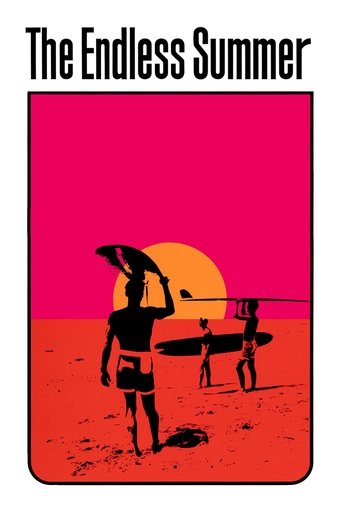
Bruce Brown's The Endless Summer is one of the first and most influential surf movies of all time. The film documents American surfers Mike Hynson and Robert August as they travel the world during California’s winter (which, back in 1965 was off-season for surfing) in search of the perfect wave and ultimately, an endless summer.
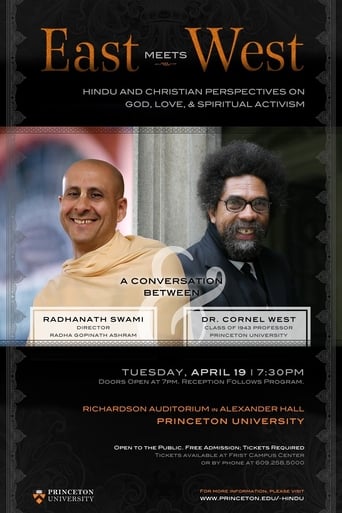
Two worlds beautifully collide as Dr. Cornel West (Class of 1943 Professor at Princeton University and acclaimed author and speaker) and His Holiness Radhanath Swami (Bhakti Yoga master, director of the Radha-Gopinath Ashram, and acclaimed author and speaker) sit down together and share their thoughts on the Divine, the mysteries of love, and the role that spirituality plays in activism.
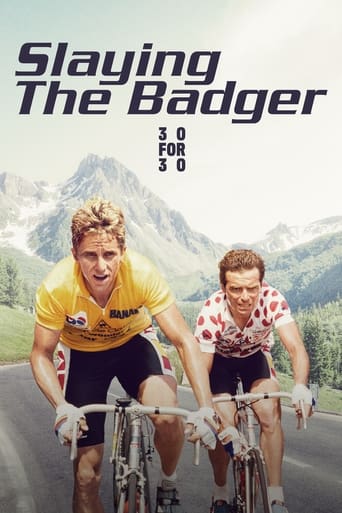
Before Lance Armstrong, there was Greg LeMond, who is now the first and only American to win the Tour de France. In this engrossing documentary, LeMond looks back at the pivotal 1986 Tour, and his increasingly vicious rivalry with friend, teammate, and mentor Bernard Hinault. The reigning Tour champion and brutal competitor known as “The Badger,” Hinault ‘promised’ to help LeMond to his first victory, in return for LeMond supporting him in the previous year. But in a sport that purports to reward teamwork, it’s really every man for himself.
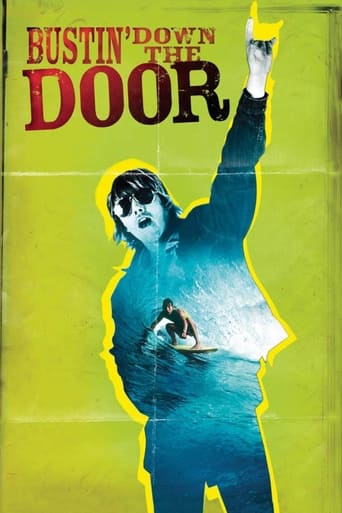
During the winter of 1975 in Hawaii, surfing was shaken to its core. A group of young surfers from Australia and South Africa sacrificed everything and put it all on the line to create a sport, a culture, and an industry that is today worth billions of dollars and has captured the imagination of the world. With a radical new approach and a brash colonial attitude, these surfers crashed headlong into a culture that was not ready for revolution. Surfing was never to be the same again.
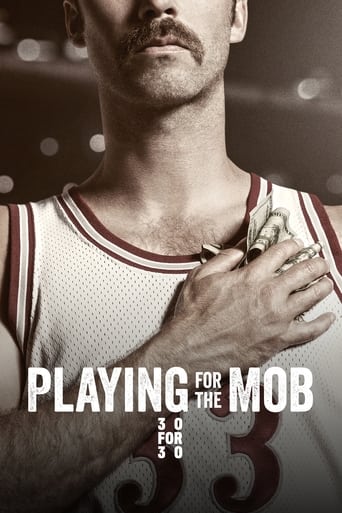
The story of how mobster Henry Hill - played by Ray Liotta in Martin Scorsese 1990 classic, Goodfellas - helped orchestrate the fixing of Boston College basketball games in the 1978-79 season. The details of that point-shaving scandal are revealed for the first time on film through the testimony of the players, the federal investigators and the actual fixers. Playing For The Mob may be set in the seemingly golden world of college basketball, but like Goodfellas, this is a tale of greed, betrayal and reckoning. Ultimately, they both share the same message: With that much money at stake, you can't trust anybody.
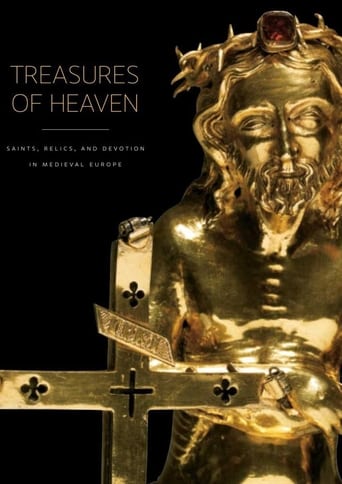
Andrew Graham-Dixon explores the ancient Christian practice of preserving holy relics and the largely forgotten art form that went with it, the reliquary. Fragments of bone or fabric placed inside a bejewelled shrine, a sculpted golden head or even a life-sized silver hand were, and still are, objects of religious devotion believed to have the power to work miracles. The documentary features interviews with art historian Sister Wendy Beckett and Neil MacGregor, director of the British Museum.
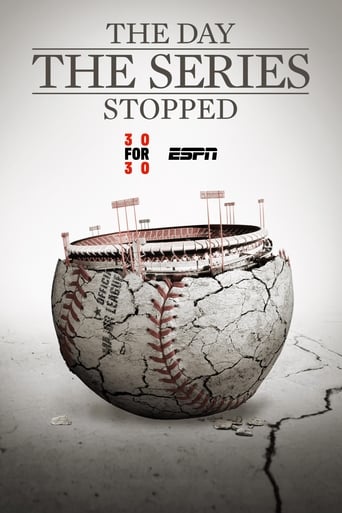
On Oct. 17, 1989, at 5:04 p.m. PT, soon after Al Michaels and Tim McCarver started the ABC telecast for Game 3 of the World Series between the San Francisco Giants and the Oakland Athletics, the ground began to shake beneath Candlestick Park. Even before that moment, this had promised to be a memorable matchup: the first in 33 years between teams from the same metropolitan area, a battle featuring larger-than-life characters and equally colorful fan bases. But after the 6.9 Loma Prieta earthquake rolled through, bringing death and destruction, the Bay Area pulled together, and baseball took a backseat.