

The Tunes
Documentary
Overview
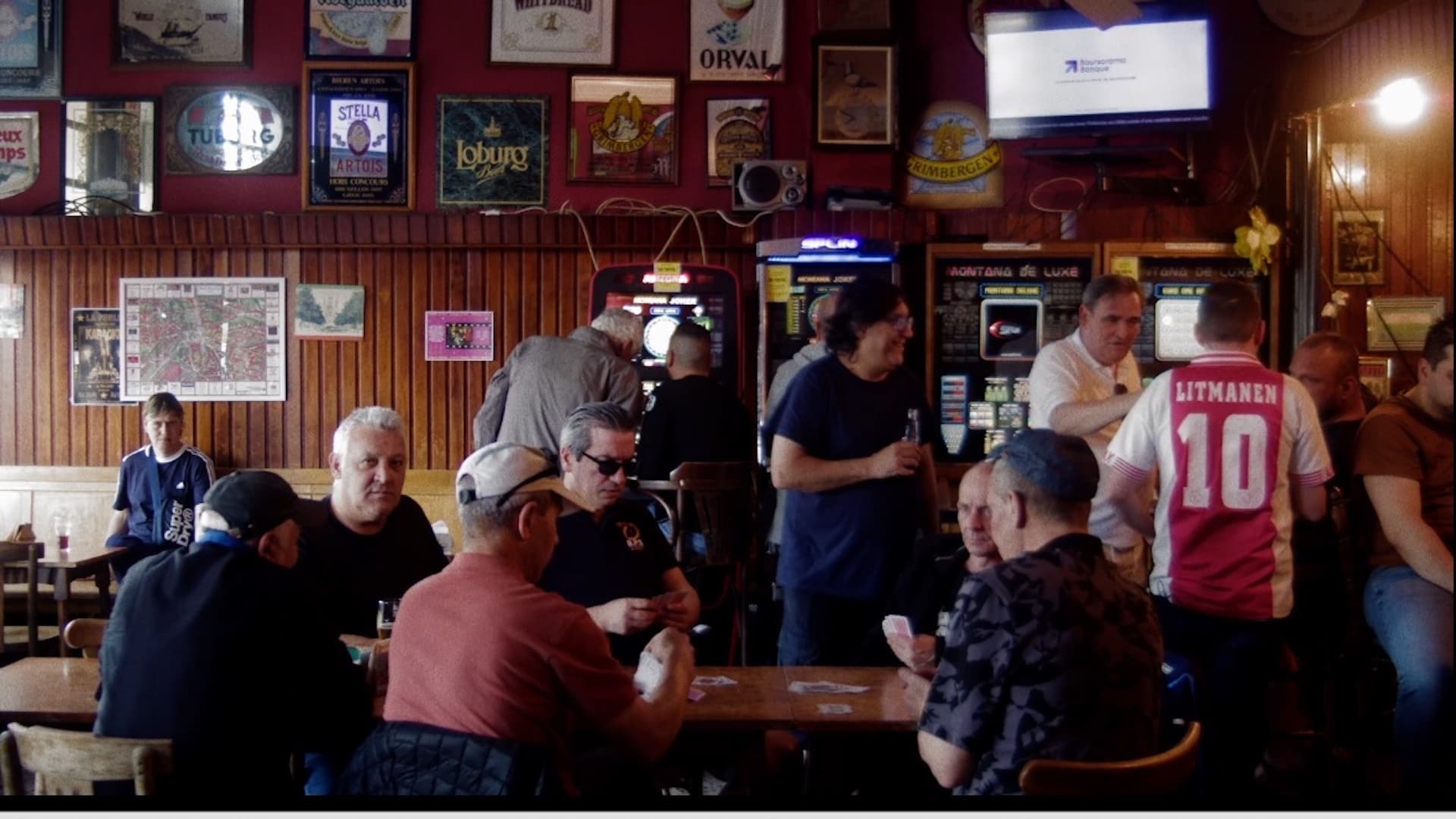
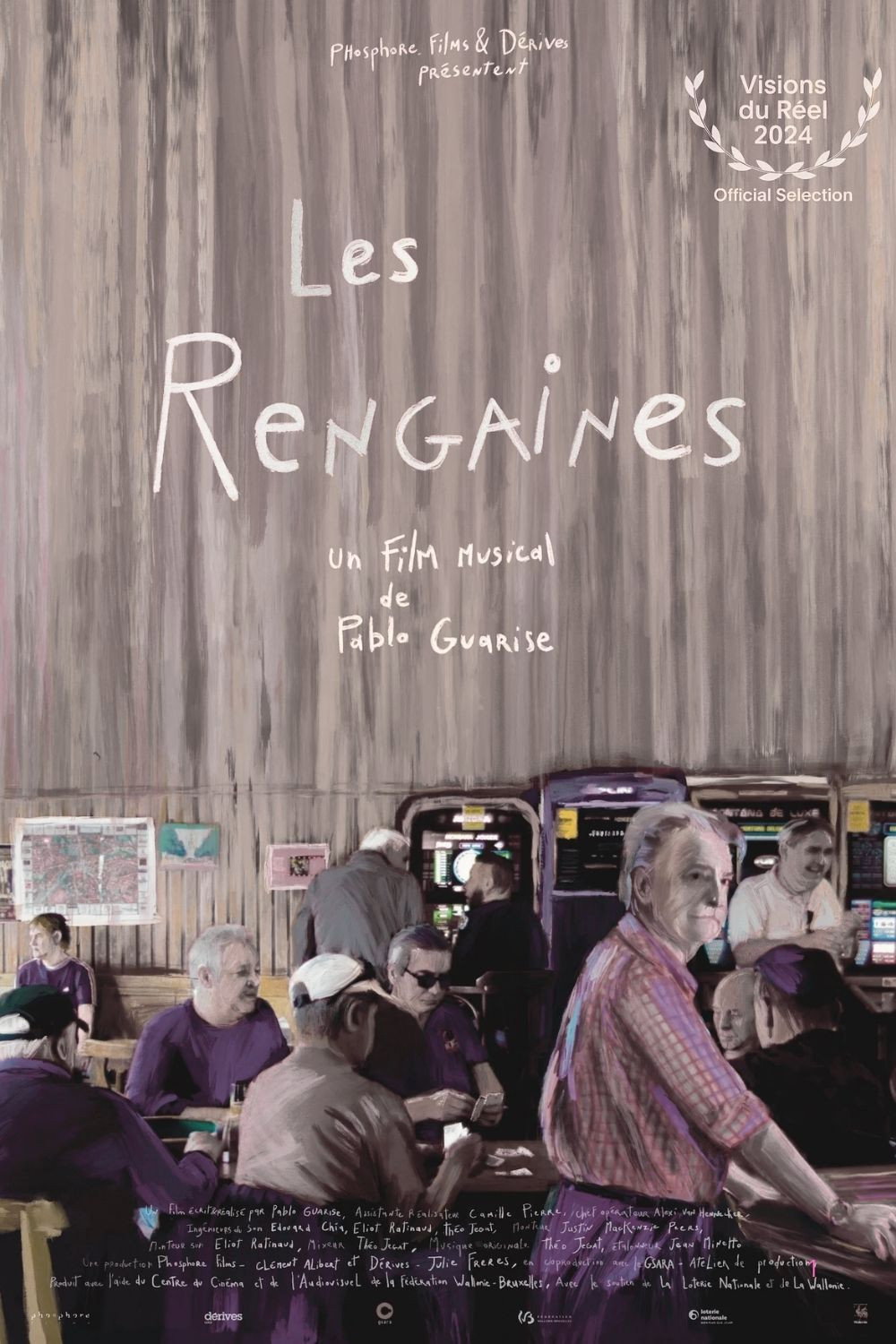
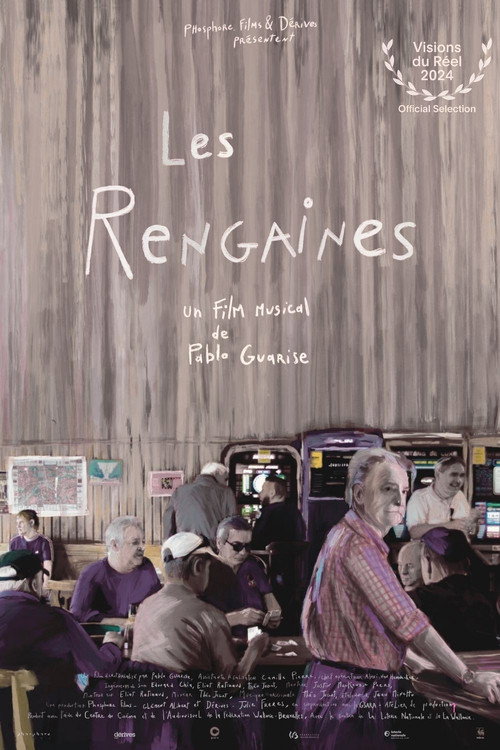
A café in the north of Brussels. Days are punctuated by the songs that the customers sing at all hours, to amuse themselves, to remember or to pass the time. Those songs transform the place little by little, making the film a strange musical.


No cast information.
Similar Movies
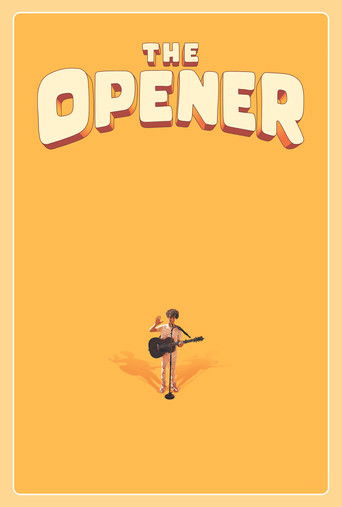
THE OPENER is a feel-good, underdog music doc about a street performer who wrote 30 songs in 30 days to process his grief and isolation during the pandemic, and found that his music spoke to millions. When it reached the ears of one of his heroes, Grammy-winner Jason Mraz, he was invited on his very first tour and given a chance to prove himself on the big stage.
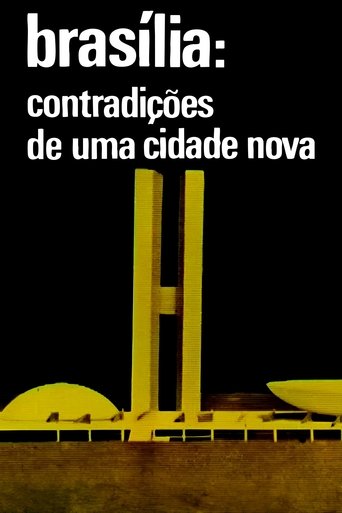
In 1967, de Andrade was invited by the Italian company Olivetti to produce a documentary on the new Brazilian capital city of Brasília. Constructed during the latter half of the 1950s and founded in 1960, the city was part of an effort to populate Brazil’s vast interior region and was to be the embodiment of democratic urban planning, free from the class divisions and inequalities that characterize so many metropolises. Unsurprisingly, Brasília, Contradições de uma Cidade Nova (Brasília, Contradictions of a New City, 1968) revealed Brasília to be utopic only for the wealthy, replicating the same social problems present in every Brazilian city. (Senses of Cinema)
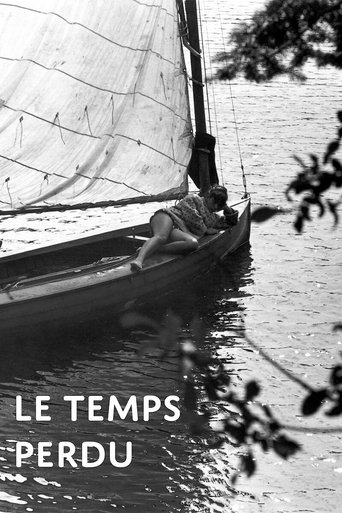
A 16 year old girl recalls the last moments of her summer vacation, spent with friends in the Laurentians north of Montreal. She reminisces about their talks on life, death, love, and God. Shot in direct cinema style, working from a script that left room for the teenagers to improvise and express their own thoughts, the film sought to capture the immediacy of the youths presence their bodies, their language, their environment.
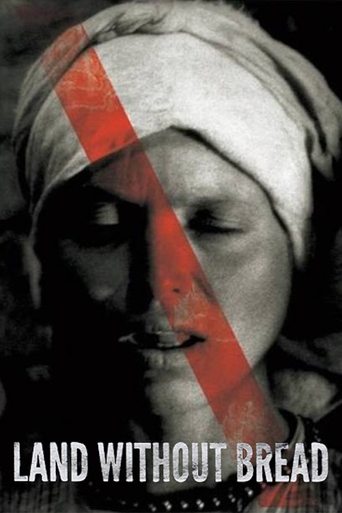
An exploration —manipulated and staged— of life in Las Hurdes, in the province of Cáceres, in Extremadura, Spain, as it was in 1932. Insalubrity, misery and lack of opportunities provoke the emigration of young people and the solitude of those who remain in the desolation of one of the poorest and least developed Spanish regions at that time.
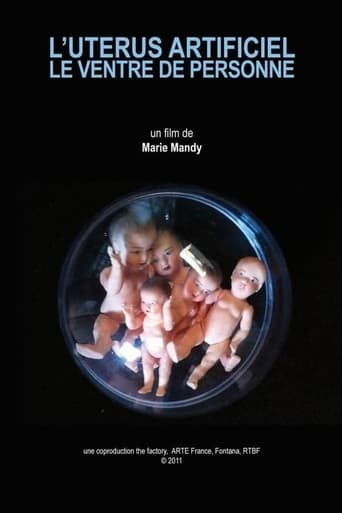
The issue of artificial insemination has biological, medical, psychological, and ethical dimensions. Filmmaker Marie Mandy approaches the topic in her own unique way, involving scientists from various disciplines. The artificial womb—is it a futuristic fairy tale or scientific reality? Filmmaker Marie Mandy uses a very personal visual style to explore the latest research findings in the field of artificial insemination. She highlights the biological, ethical, and psychological issues surrounding this (r)evolution, while also questioning the value of life and the power of science.