

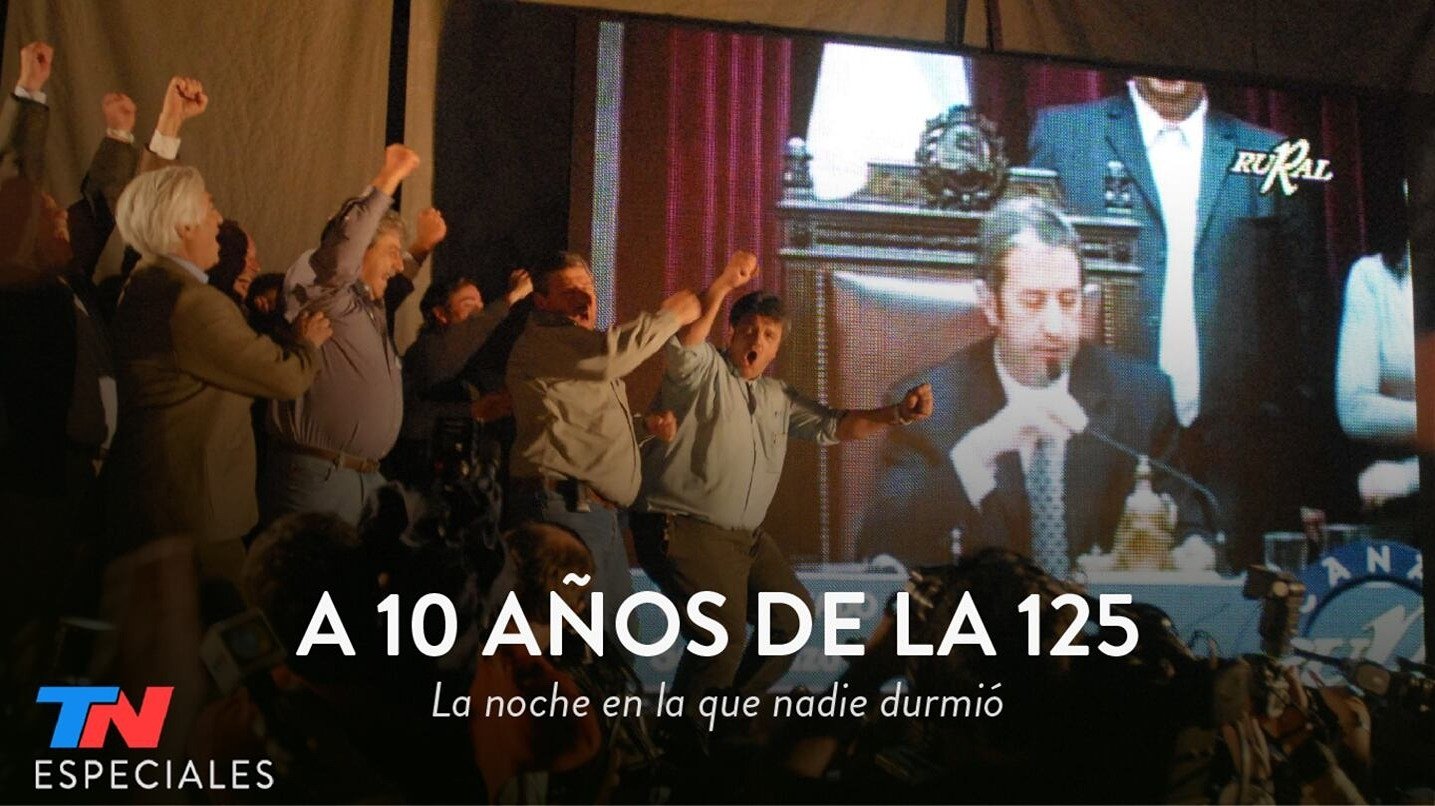
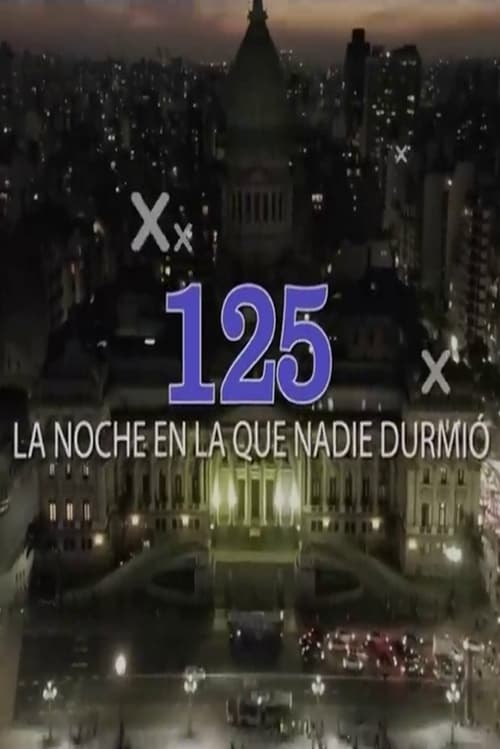
10 years after 125: The night when no one slept
Documentary
Overview
An overview of the night in which the Argentine Congress voted on the "Draft Law on Withholdings and Creation of the Social Redistribution Fund", also known as "Resolution 125/08". Released on the 10th year anniversary of the rejection of the resolution.
Top Cast
Julio Cobos
Self
Miguel Ángel Pichetto
Self
Nicolás Fernández
Self
Eduardo Buzzi
Self
Alberto Fernández
Self
Ernesto Sanz
Self
Martín Lousteau
Self (archive footage)
Cristina Fernández de Kirchner
Self (archive footage)
Alfredo De Ángeli
Self
Mario Llambías
Self (archive footage)
Jorge Capitanich
Self (archive footage)
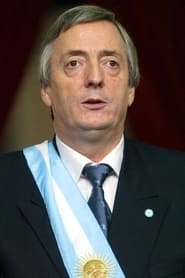
Néstor Kirchner
Self (archive footage)


Julio Cobos
Julio Cobos
Self
Julio Cobos
Self
Miguel Ángel Pichetto
Miguel Ángel Pichetto
Self
Miguel Ángel Pichetto
Self
Nicolás Fernández
Nicolás Fernández
Self
Nicolás Fernández
Self
Eduardo Buzzi
Eduardo Buzzi
Self
Eduardo Buzzi
Self
Alberto Fernández
Alberto Fernández
Self
Alberto Fernández
Self
Ernesto Sanz
Ernesto Sanz
Self
Ernesto Sanz
Self
Martín Lousteau
Martín Lousteau
Self (archive footage)
Martín Lousteau
Self (archive footage)
Cristina Fernández de Kirchner
Cristina Fernández de Kirchner
Self (archive footage)
Cristina Fernández de Kirchner
Self (archive footage)
Alfredo De Ángeli
Alfredo De Ángeli
Self
Alfredo De Ángeli
Self
Mario Llambías
Mario Llambías
Self (archive footage)
Mario Llambías
Self (archive footage)
Similar Movies
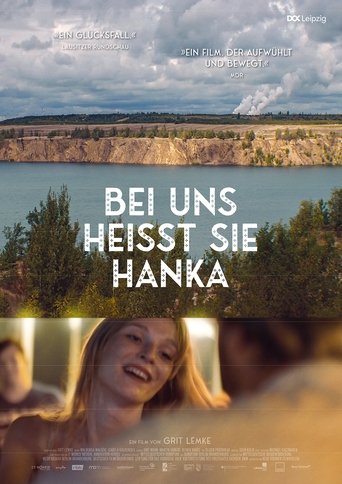
A green lawn like an unused carpet, encircled by a neat forest edge, in the background the steaming cooling towers of a coal power station – impressionistic camera images from Lusatia. They summarise in one pan how a used-up utilitarian landscape is trying to recultivate itself. Can ancient identity and language be re-discovered amid this strange artificiality? The director travelled through this region in search of her origins. She was born here, in Lusatia. This is her home and that of the smallest of all Slavic peoples: the Sorbs.
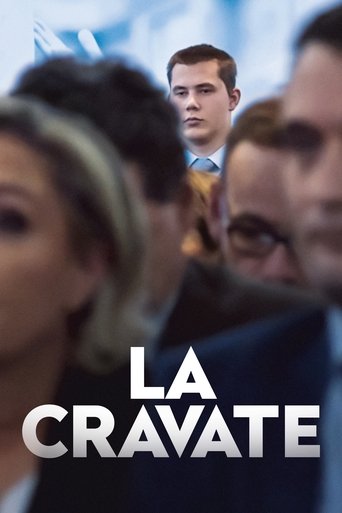
Bastien is twenty years old and has been an activist for five years in the main extreme right party. When the presidential campaign begins, he's invited by his superior to commit even further. Initiated into the art of decking himself out like a politician, he starts to dream of a career, but old demons surge forth...
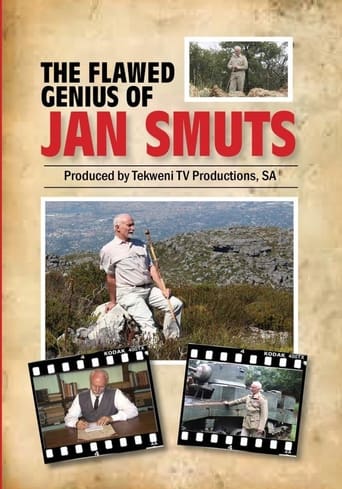
Jan Smuts is a foremost political figure in South African 20th Century History, and is recognised today by two of the world's leading historians as being at the very centre of the vision for a new world order that emerges from the League of Nations and the United Nations.. Yet, he is virtually persona non grata in his own country.... and largely ignored in school history books. This one hour drama-documentary, with its dramatised cameo scenes in which his look-alike grandson takes on the role of Jan Smuts, battle re-enactments, historical archival footage, comments from historians, political analysts, and South African political struggle heroes, looks back on his life and the circumstances that shaped it in search of some answers.

Undercover journalist James O'Keefe goes to the front lines of the migrant industrial complex using hidden cameras and raw testimonials. O'Keefe reveals the shocking reality of the U.S. border crisis like never before: Mexican freight trains, cartel tunnels, and U.S. funded child detention camps. Watch this gripping exposé of a corrupted system that demands change.
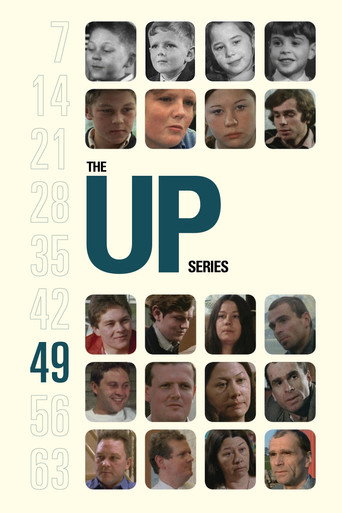
49 Up is the seventh film in a series of landmark documentaries that began 42 years ago when UK-based Granada's World in Action team, inspired by the Jesuit maxim "Give me the child until he is seven and I will give you the man," interviewed a diverse group of seven-year-old children from all over England, asking them about their lives and their dreams for the future. Michael Apted, a researcher for the original film, has returned to interview the "children" every seven years since, at ages 14, 21, 28, 35, 42 and now again at age 49.In this latest chapter, more life-changing decisions are revealed, more shocking announcements made and more of the original group take part than ever before, speaking out on a variety of subjects including love, marriage, career, class and prejudice.
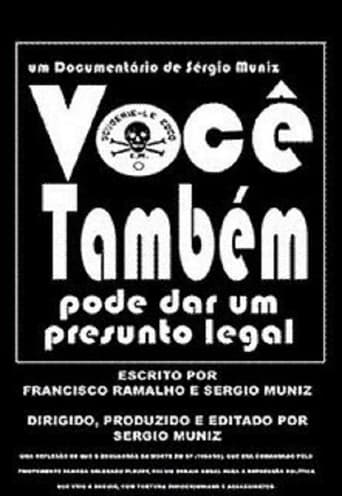
Amid the civil-military dictatorship implanted with the 1964 coup, Sergio Muniz had the idea of making a documentary about the action of the Death Squad. At the time, the press still had some freedom to disseminate the work of these death squads formed by police officers of various ranks, and that he acted on the outskirts of cities like Sao Paulo and Rio de Janeiro. The victims of police repression (as today) were men, poor and black, and this condition is supposed criminals.