

Petrichor
Documentary
Overview
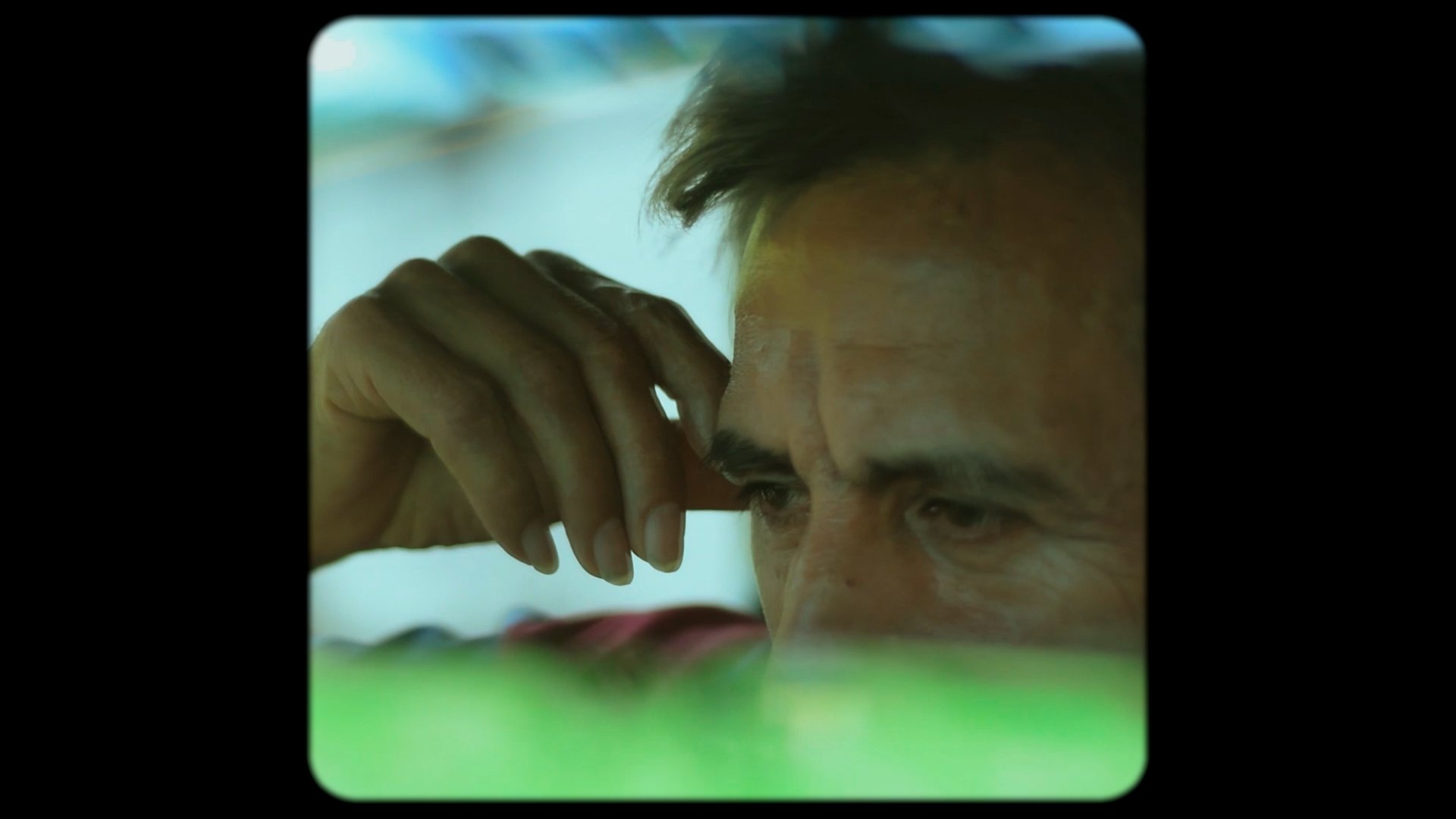
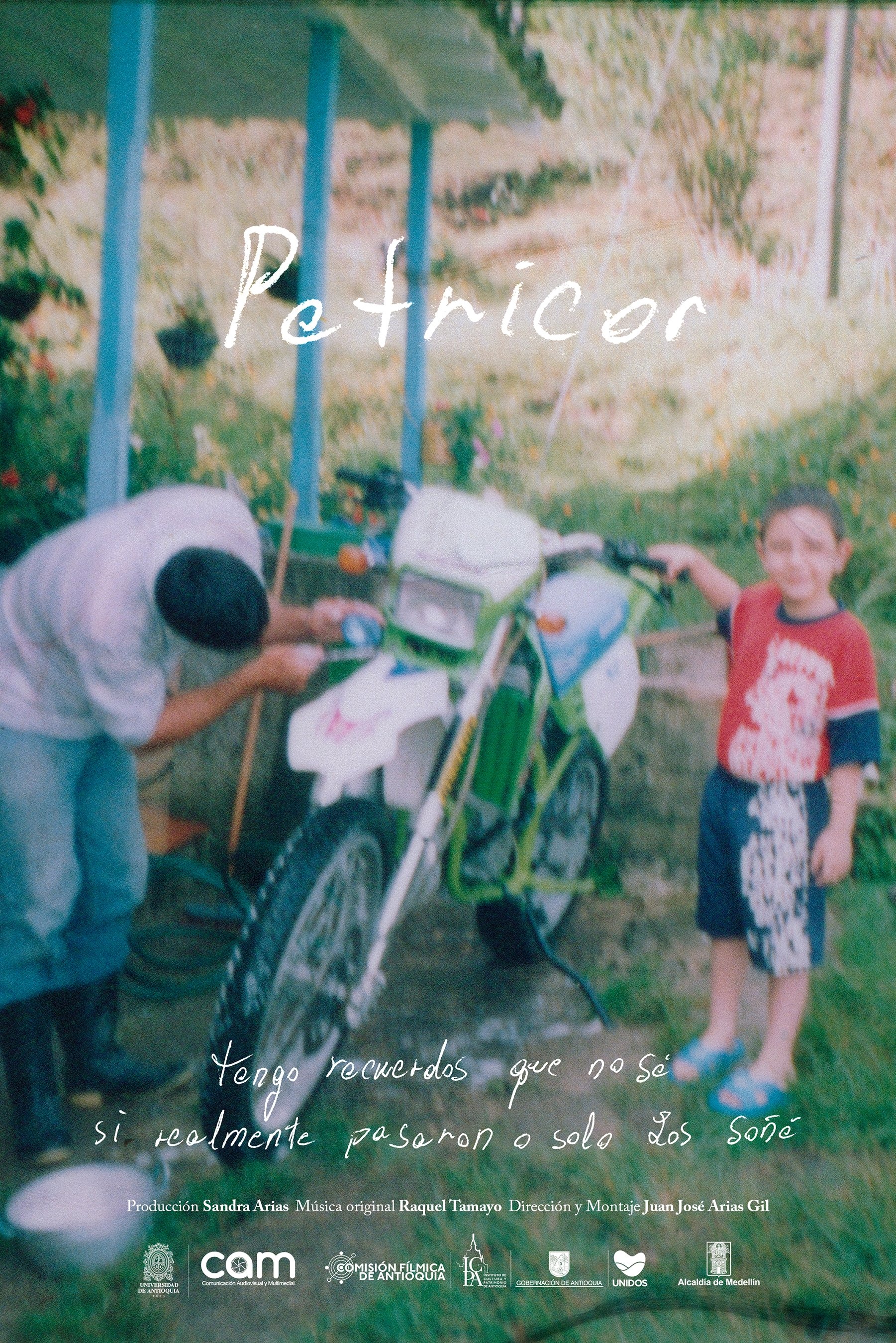
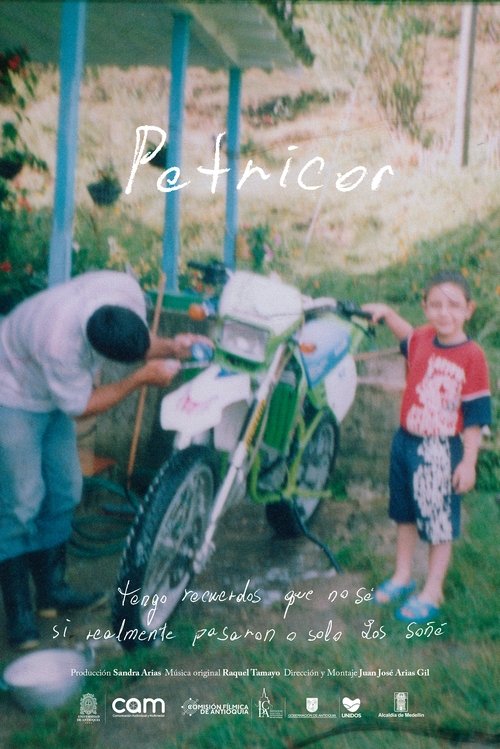
Director Juan José Arias uses old family videos to try to find out what kind of person his father was. His image comes back in dreams, his voice whispers in the smell of rain and his embrace lies in an old house in the country where they used to spent the holidays. Reality, memories and dreams blur together in a poetic way.
Top Cast

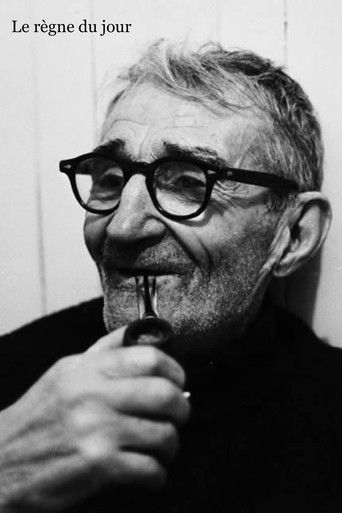



Luis Alfredo Arias
Luis Alfredo Arias
Self
Luis Alfredo Arias
Self
Similar Movies
THE PERFUMED GARDEN is an exploration of the myths and realities of sensuality and sexuality in Arab society, a world of taboos and of erotic literature. Through interviews with men and women of all ages, classes, and sexual orientation, the film lifts a corner of the veil that usually shrouds discussion of this subject in the Arab world. Made by an Algerian-French woman director, the film begins by looking at the record of a more permissive history, and ends with the experiences of contemporary lovers from mixed backgrounds. It examines the personal issues raised by the desire for pleasure, amidst societal pressures for chastity and virginity. The film discusses pre-marital sex, courtship and marriage, familial pressures, private vs. public spaces, social taboos (and the desire to break them), and issues of language.
Witness the rise and fall of The Warehouse, a rave venue from Plymouth and times gone by now reduced to a derelict shell. We explore its history, its people and the future. An amateur filmmaker-explorer finds the building in an empty derelict state, long after the prosperous life and energy it endured through the 90s. Through a combination of archives and stories of people who lived there, the film explores through the medium of analogue what once was and how even a now silent derelict shell can become the centre of the universe.
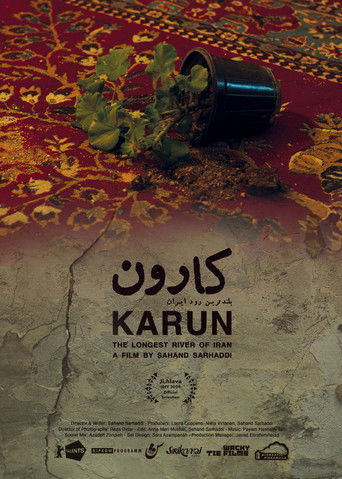
On September 22, 1998, the Iranian poet Hamid Hajizadeh and his nine-year-old son Karun, whose name symbolically refers to Iran's longest river, were brutally murdered in their home in Kerman. The documentary film, based on the statements of the survivors, tries to sensitively reconstruct one of the many terrible motivated events that took place in Iran at the end of the previous century and draws us into the fateful day with the help of detailed shots of the objects in Hamid's study.
Award-winning French writer Christine Angot goes on a business trip to Strasbourg where her father lived before dying several years ago. It is the city where she met him for the first time at the age of 13, and where he sexually abused her over the following years. His wife and children still live there. Angot takes a camera and knocks on the doors of her family to push them to clarify their attitudes to her father’s crime that stretched over so many years. A cinematographic journey that challenges social norms and family perspectives in dealing with incest.
In 2016, an album containing 250 previously unseen photos of Nazi officials was discovered in the USA by Stephan Hördler, a prominent Holocaust historian, who immediately understood the album's inestimable value. The album brings together photographs of a "group of friends," all from the same region of Germany, all of whom became SS men. From 1928 to 1943, the photo album allows us to follow their journey. Hördler conducted the investigation, comparing the photos in the album with other, better-known ones, the faces of these men with those of concentration camp officials, and ultimately revealed that it was at Lichtencburg that these young men were trained, a "school" for future camp executioners, and the bonds of camaraderie and informal network that would allow them to help each other, even after the war.
It is normal for 15-year-old Linn to have two mothers. But when she finds out that there are still numerous siblings, she realizes that she is part of an extraordinary extended family. Her father Eike not only had an appointment with Linn's mothers to donate sperm, Petra and Anny also have three children with him. A film crew followed this rainbow family for twelve years.