

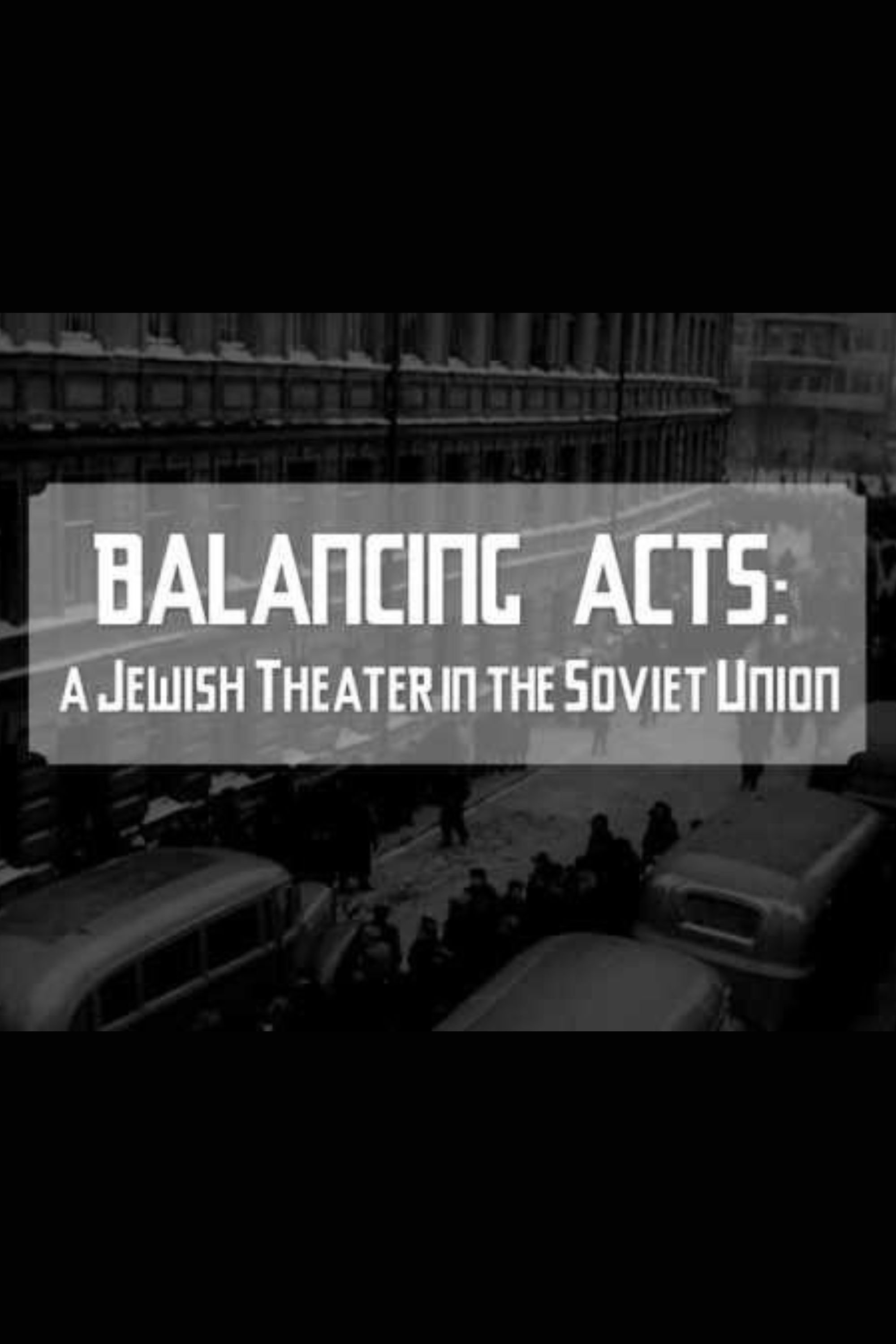
Balancing Acts: A Jewish Theatre in The Soviet Union
Documentary · History
Overview
Moscow, January 1948. In the bitter cold, a large crowd attends the State Funeral of the Yiddish actor and director Solomon Mikhoels. An official proclamation mourns the death of "a great People's Artist of the Soviet Union." What people are really mourning is the death of the most popular Jewish theater in the Soviet Union, and the man who kept it alive against all odds for over 20 years. No doubt many suspected the truth: he had just been assassinated by Stalin's secret police.






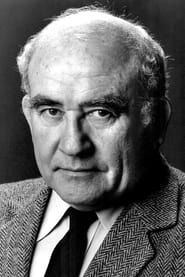
Ed Asner
Ed Asner
Narrator (Voice)
Ed Asner
Narrator (Voice)
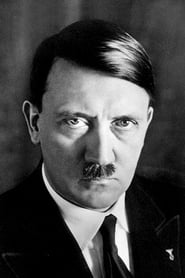
Adolf Hitler
Adolf Hitler
Adolf Hitler
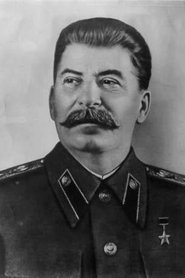
Joseph Stalin
Joseph Stalin
Joseph Stalin
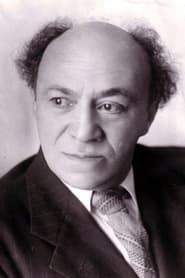
Solomon Mikhoels
Solomon Mikhoels
Solomon Mikhoels
Venyamin Zuskin
Venyamin Zuskin
Venyamin Zuskin
Similar Movies

In Monarch's Antarctic Base, a frozen fortress buffeted by screaming winds and surrounded by impenetrable ice, King Ghidorah shakes off his icy slumber and escapes in one of the film's most thrilling sequences. Join the filmmakers as they reveal how King Ghidorah was brought to terrifying life inside Monarch's underground biolab with its towering ice wall.
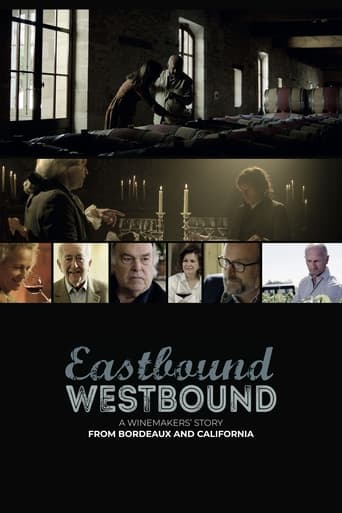
A modern and fast-paced cinematic documentary that aims to trace, understand and demonstrate the historical and unwavering links between the United States, Bordeaux and its wines. An investigation like no other, Eastbound Westbound lets the viewer understand how this Franco-American friendship around Bordeaux wines had its starting point in the 18th century around the greatest connoisseur of fine wines and lover of Bordeaux, the American Thomas Jefferson, US Ambassador to Paris and third President of the United States. To better demonstrate Thomas Jefferson’s legacy, this intimate relationship between the two winegrowing continents is illustrated through interlinked portraits of wine families, from many and varied backgrounds but all sharing a real passion for wine. Leading players in their field, they produce some of the best wines in the world.
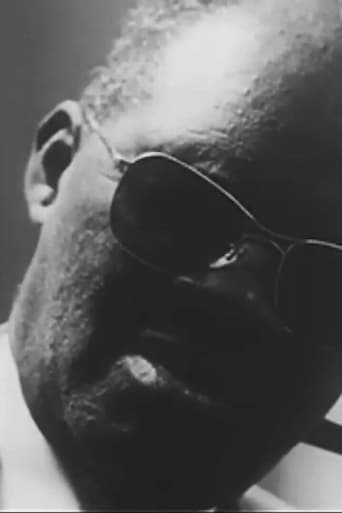
A short documentary on the "Harlem Street Singer," blues artist Rev. Gary Davis. Features footage of his neighborhood, Davis talking about his upbringing, and two performances including "Death Don't Have No Mercy." Benefiting from New York's folk revival in the 1960s, Davis influenced artists such as Dave Van Ronk, Bob Dylan, and the Grateful Dead.

The Victorian era is often cited for its lack of sexuality, but as this documentary reveals, the period's artists created a strong tradition surrounding the classical nude figure, which spread from the fine arts to more common forms of expression. The film explains how 19th-century artists were inspired by ancient Greek and Roman works to highlight the naked form, and how that was reflected in the evolving cultural attitudes toward sex.

Inside a shelter, participants in a talking circle share their experiences of intimate partner violence as a way to regain their dignity and strength to act. Powerfully empathetic, Après-coups creates a space of sisterhood and solidarity—a chorus of voices breaking down the walls of silence.