

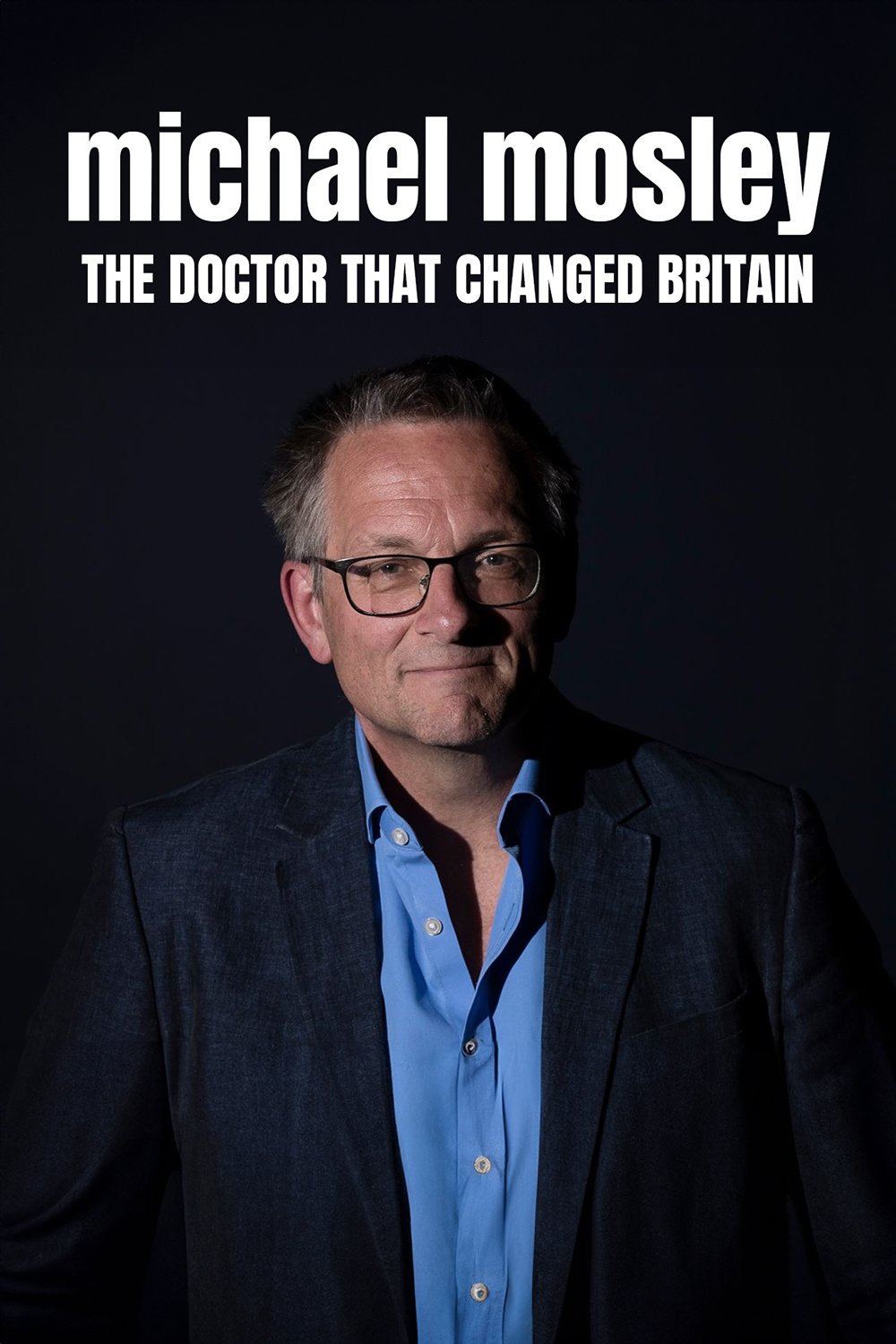
Michael Mosley: The Doctor Who Changed Britain
Documentary
Overview
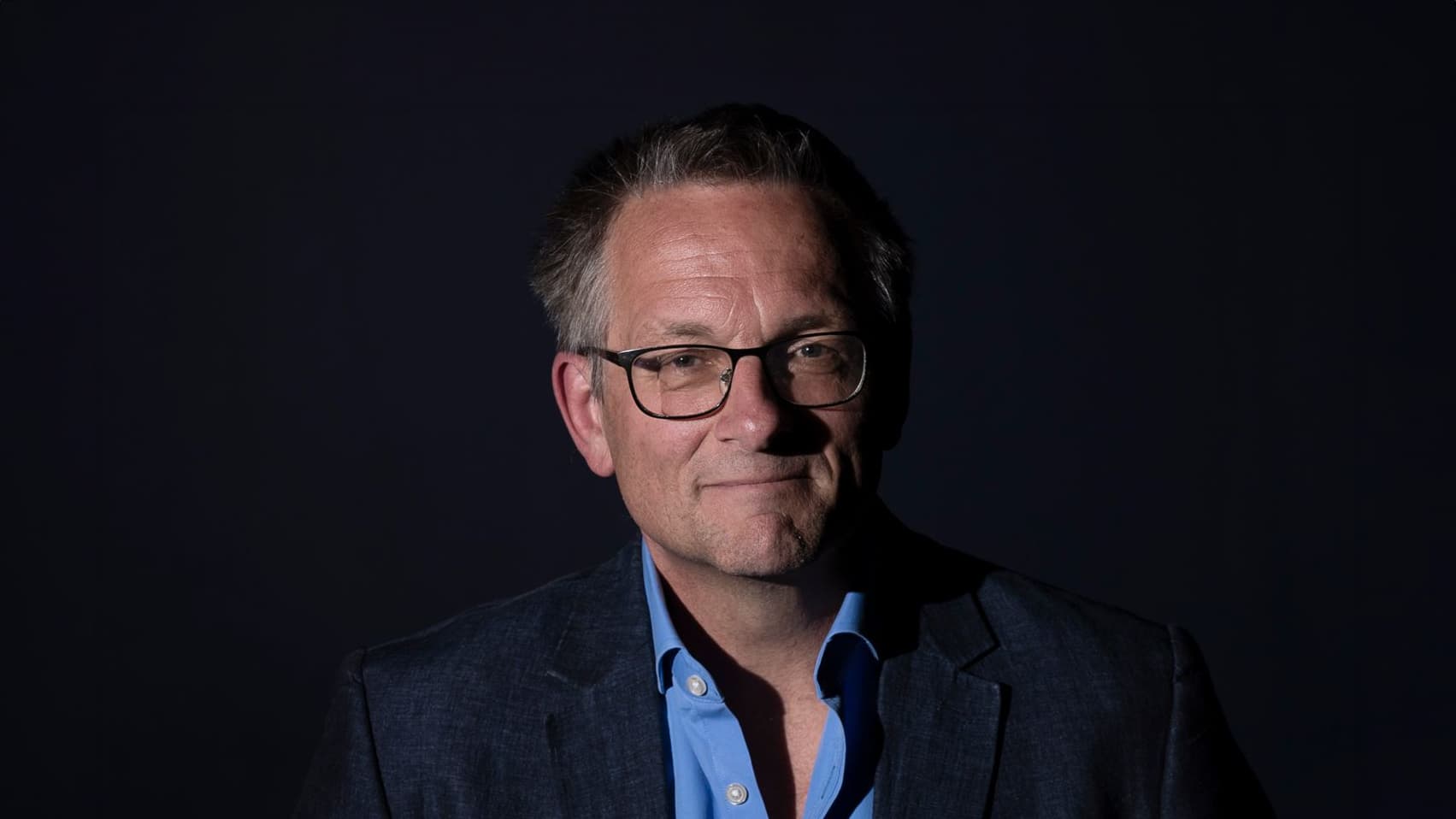
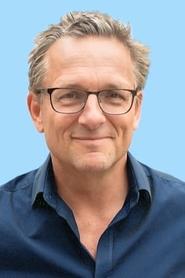
Michael Mosley transformed the lives of millions of people. In this programme, we look back at an extraordinary broadcasting career which spanned almost 40 years. Fronting series such as Trust Me I’m a Doctor and the hit podcast Just One Thing, Michael used his warm, often funny approach to deliver important, life-changing health messages. He started behind the scenes as an award-winning science journalist and producer, before becoming a much-loved presenter. His programmes have made a lasting impact on the nation’s health habits, from intermittent fasting to the benefits of a cold shower. Michael also shared his own struggles with audiences worldwide. As a chronic insomniac, he made programmes about sleep and, ever curious, he would also go to extremes in the pursuit of science, even infecting himself with a tapeworm. Celebrating Michael’s career, this programme marks the enormous impact he made, touching the lives of so many



Michael Mosley
Michael Mosley
Self (archive footage)
Michael Mosley
Self (archive footage)
Similar Movies
NOVA takes you inside the operating room to witness organ transplant teams transferring organs from donors to recipients. Meet families navigating both sides of a transplant, and researchers working to end the organ shortage. Their efforts to understand organ rejection, discover ways to keep organs alive outside the body, and even grow artificial organs with stem cells, could save countless lives.
This compelling film represents a rare record of an original genius. In Jung on Film, the pioneering psychologist tells us about his collaboration with Sigmund Freud, about the insights he gained from listening to his patients' dreams, and about the fascinating turns his own life has taken. Dr. Richard I. Evans, a Presidential Medal of Freedom nominee, interviews Jung, giving us a unique understanding of Jung's many complex theories, while depicting Jung as a sensitive and highly personable human being.
Eating, 2nd Edition: Introducing The RAVE Diet presents graphic evidence of how animal foods are not meant for human consumption, and how the suffering and death of the animals "takes revenge" on the humans who eat them by causing most of our chronic diseases, and how the switch to a all whole-food plant based diet can begin to reverse many of these diseases in as little as three weeks.
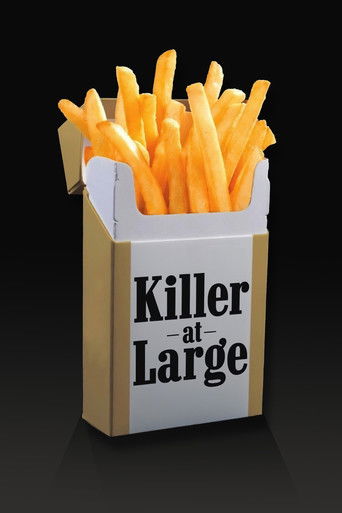
Obesity rates in the United States have reached epidemic proportions in recent years. Killer at Large shows how little is being done and more importantly, what can be done to reverse it. Killer at Large also explores the human element of the problem with portions of the film that follow a 12-year old girl who has a controversial liposuction procedure to fix her weight gain and a number of others suffering from obesity, including filmmaker Neil Labute.
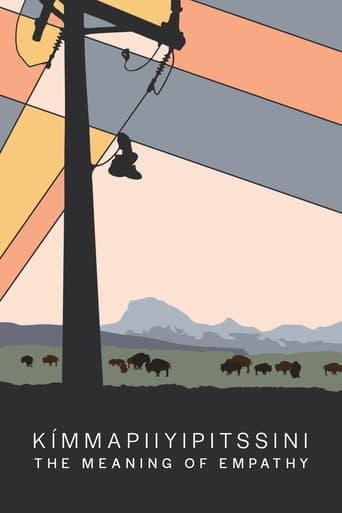
Follow filmmaker Elle-Máijá Tailfeathers as she creates an intimate portrait of her community and the impacts of the substance use and overdose epidemic. Witness the change brought by community members with substance-use disorder, first responders and medical professionals as they strive for harm reduction in the Kainai First Nation.
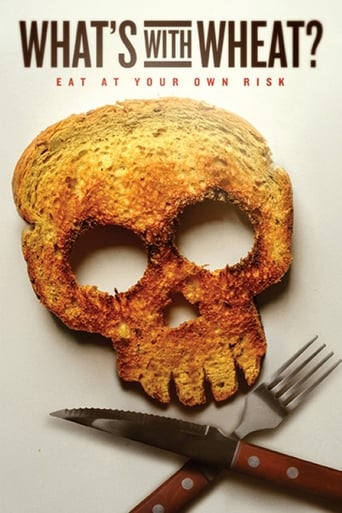
Why are so many people wheat-intolerant or sensitive to wheat? And why is wheat linked to so many modern-day health problems, when it has been a staple of the human diet for thousands of years? In this documentary, a nutritionist interviews 14 experts, to understand how wheat has changed since it was first cultivated, how these changes could be affecting human health, and how people can break a dietary cycle that could be making them sick.
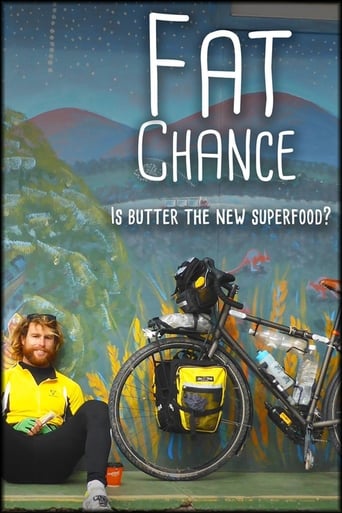
Fat Chance is a grassroots Australian story of physical conquest that will change the way you feed your family forever. This new documentary follows Warren Hepsworth who sets out to ride a pushbike from Perth to Melbourne on a low-carb, high-fat diet. You’ll see Warren’s preparation for the ride as well as highlights and lowlights from the journey, and the diet change. The movie attempts to debunk the notion that athletes have to carb load and that you can’t get your energy from fat. In the process we learn that much of what we’ve been told about a healthy diet is wrong.
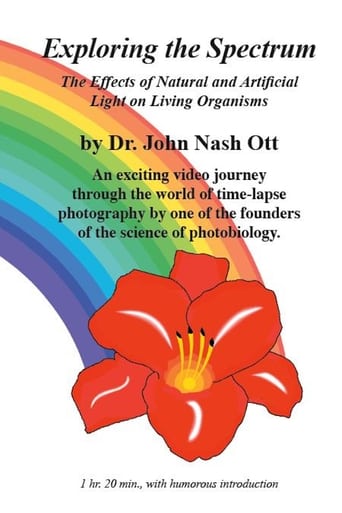
An exciting video journey through the world of time-lapse photography by one of the founders of the science of photobiology, Dr. John Nash Ott. Do fluorescent lights cause cancer and childhood learning and behavior disorders? Can long-term exposure to low-level radiation as from TV sets, computers, fluorescent lights, and similar devices harm you? Does living behind window glass and with glasses covering our eyes over years affect our health? Is natural sunlight and trace ultra-violet radiation really harmful? Or is it necessary and beneficial? How do cells, plants, and animals respond to constant exposure to different light color frequencies? These and similar questions were the subjects of Dr. Ott's pioneering investigations in the field of photobiology, using the methods of time-lapse photography.
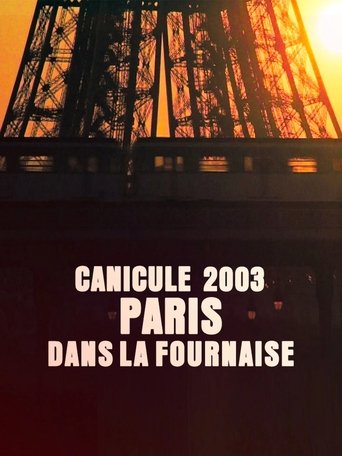
The heatwave of 2003 remains etched in our memories. We remember an angry emergency doctor, crowded hospital corridors, and a health minister in a polo shirt who seemed completely out of touch with reality. Between August 1 and 20, 2003, the heatwave claimed 15,000 lives. One in three victims lived in the Ile-de-France region, which was hardest hit by this deadly heatwave. This tragedy revealed many shortcomings. First, the lack of preparedness of the public authorities to deal with such a health crisis. Second, the way in which the elderly are treated. Climatologists estimate that from 2050 onwards, the summer of 2003 will be the norm. Hyper-urbanization, poor insulation in homes, and a lack of green spaces are all factors that exacerbate the effects of high temperatures.