


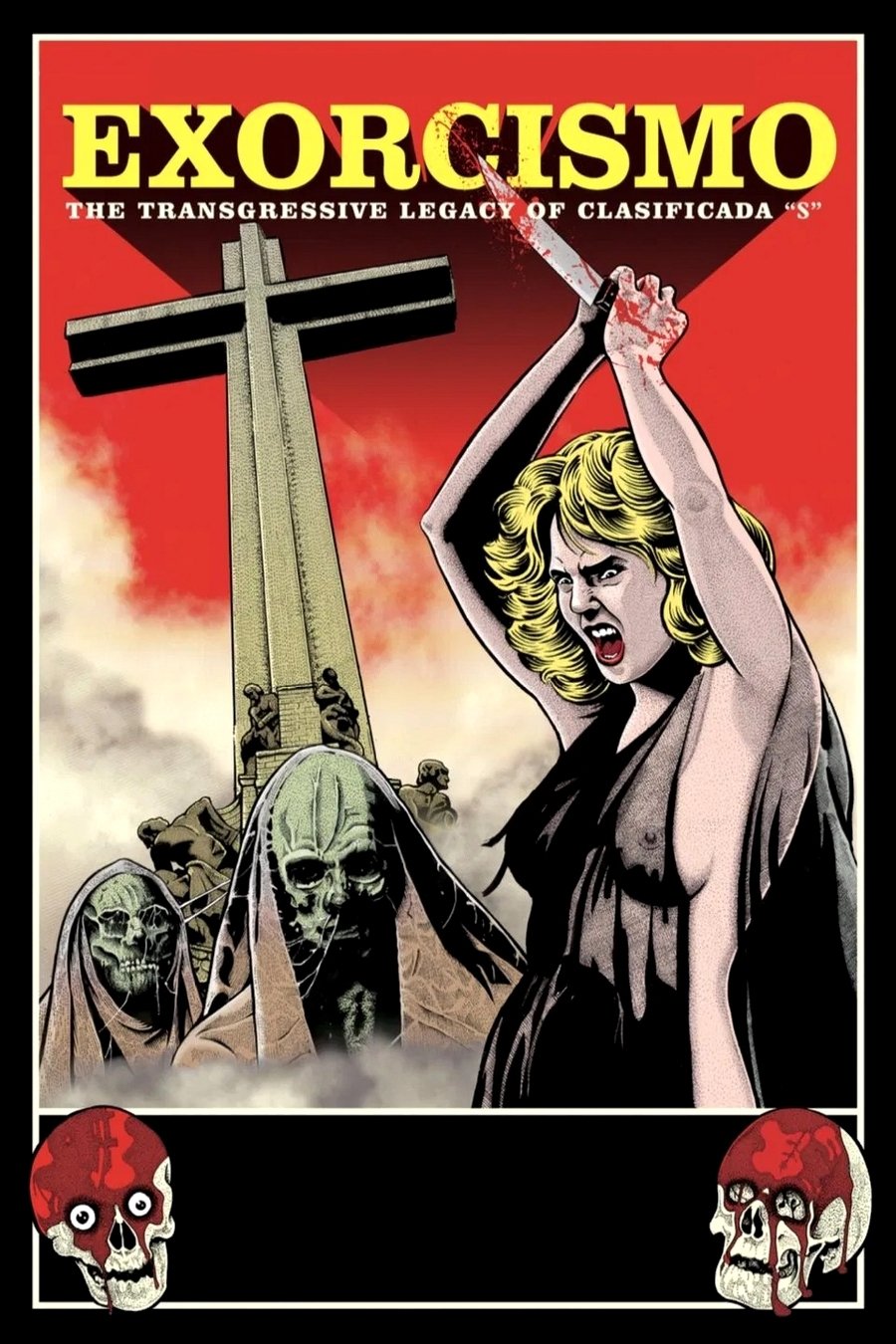
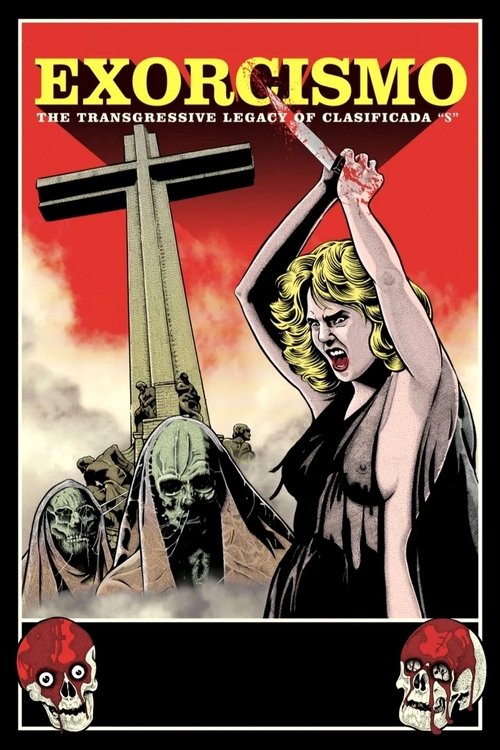
Exorcismo: The Transgressive Legacy of Clasificada “S”
Documentary · History
Overview
Spain, 1975. Franco's death opens the door to the possibility of uncensored cinema. After two years of relaxed censorship, it is abolished in 1977, and the “S” rating is created to protect viewers from films that may “offend their sensibilities.”





Iggy Pop
Iggy Pop
Self - Narrator (voice)
Iggy Pop
Self - Narrator (voice)
Alejandro Melero
Alejandro Melero
Self
Alejandro Melero
Self

Álex de la Iglesia
Álex de la Iglesia
Self
Álex de la Iglesia
Self

Álex Mendíbil
Álex Mendíbil
Self
Álex Mendíbil
Self

Antonio Mayans
Antonio Mayans
Self
Antonio Mayans
Self
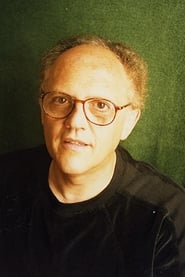
Carlos Puerto
Carlos Puerto
Self
Carlos Puerto
Self

Carmen Serret
Carmen Serret
Self
Carmen Serret
Self

David Gregory
David Gregory
Self
David Gregory
Self

Gaspar Noé
Gaspar Noé
Self
Gaspar Noé
Self
Gloria Sancho
Gloria Sancho
Self
Gloria Sancho
Self
Similar Movies
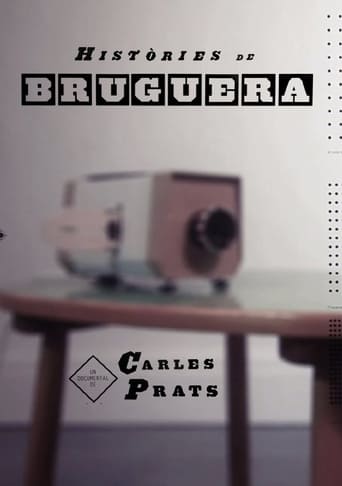
The history of Bruguera, the most important comic publisher in Spain between the 1940s and the 1980s. How the characters created by great writers and pencilers became Spanish archetypes and how their strips persist nowadays as a portrait of Spain and its people. The daily life of the creators and the founding family, the Brugueras. The world in which hundreds of vivid colorful paper beings lived and still live, in the memory of millions, in the smile of everyone.
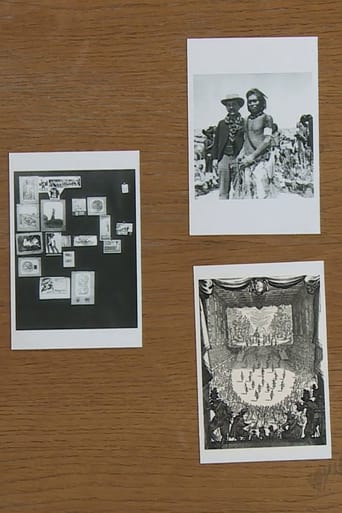
To be in Venice and see the architecture of New York, to perceive in a painting by Tintoretto the birth of animated images, to look at the burlesque Cretinetti as the ancestor of montage - so many shifts, displacements, and striking telescopings that Philippe-Alain Michaud proposes in this film dedicated to him. To follow this art historian, curator of the cinema collections at the Centre Pompidou, is to go from the oriental carpet to the film, or from the first fireworks to the cinema. And everywhere the animation of the images - projections of Antony McCall, or of Paul Sharits, Column without end of Brancusi, Pasolini's Accatone - everything moves! Under the tutelage of Aby Warburg, the great art historian of the early twentieth century, precursor of iconology and image comparison, to whom Philippe-Alain Michaud was the first in France to devote an important essay, eleven images are placed on the table to describe the singular journey of this art historian.
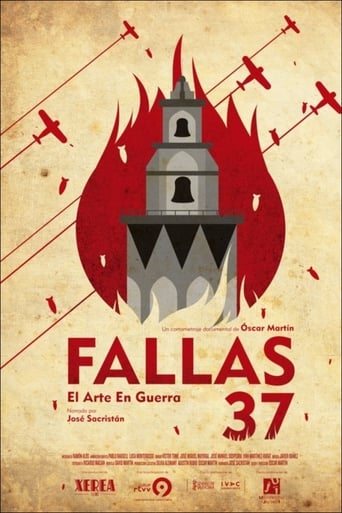
In November 1936, a few months since the beginning of the Spanish Civil War, the government of the Second Republic moves to Valencia. In this situation, several Valencian artists and intellectuals decide to build four fallas — satirical plasterboard sculptures created to be burnt — to mock fascism.

Born in Berlin in 1896, Lotte Eisner became famous for her passionate involvement in the world of both German and French cinema. In 1936, together with Henri Langlois, she founded the Cinémathèque Française with the goal of saving from destruction films, costumes, sets, posters, and other treasures of the 7th Art. A Jew exiled in Paris, she became a pillar of the capital's cultural scene, where she promoted German cinema.