

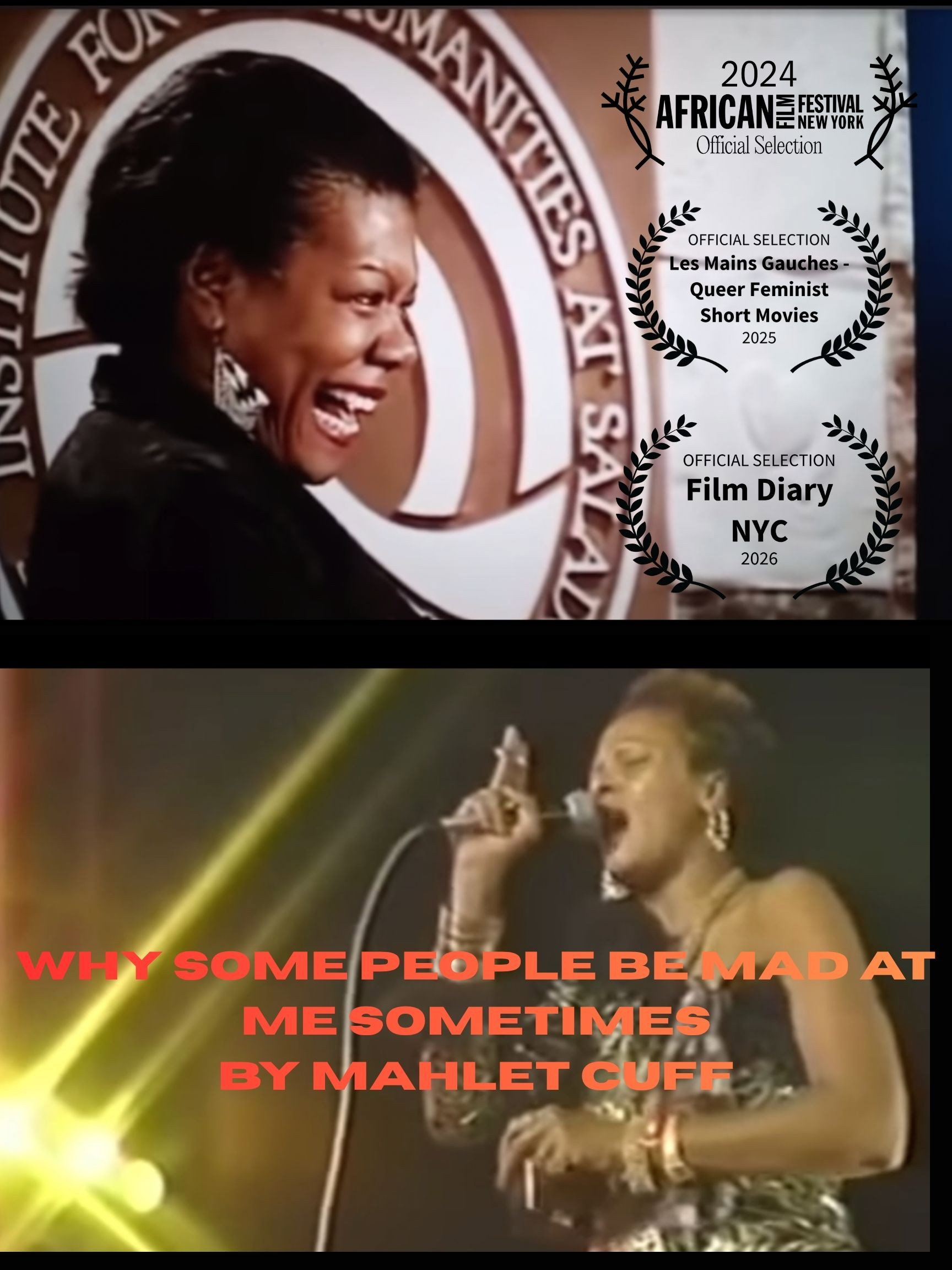
why some people be mad at me sometimes
History · Music
Overview
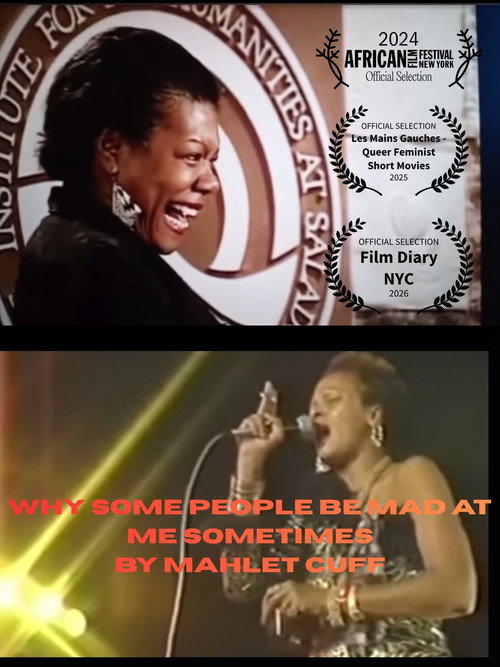
why some people be mad at me sometimes is a single channel experimental film that cites the mother of Dancehall Sister Nancy singing her song bam bam in dialogue with Maya Angelou’s performance of the poem The Mask. The video is a meditation on the misappropriation of Blackness within music, and how often Black folks are told to not criticize but to smile and be grateful. All while tracing the filmmakers' relationship to Dancehall and Afro Caribbean culture through archival footage of themselves as a young person dancing at Folklorama. Folklorama has the intention to be a space for sharing diverse cultures but oftentimes a space of cultural consumption that erases the colonial history of the countries that are on display.







No cast information.
Similar Movies
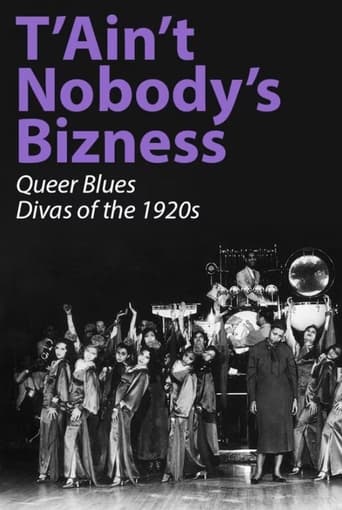
The 1920s saw a revolution in technology, the advent of the recording industry, that created the first class of African-American women to sing their way to fame and fortune. Blues divas such as Bessie Smith, Ma Rainey, and Alberta Hunter created and promoted a working-class vision of blues life that provided an alternative to the Victorian gentility of middle-class manners. In their lives and music, blues women presented themselves as strong, independent women who lived hard lives and were unapologetic about their unconventional choices in clothes, recreational activities, and bed partners. Blues singers disseminated a Black feminism that celebrated emotional resilience and sexual pleasure, no matter the source.
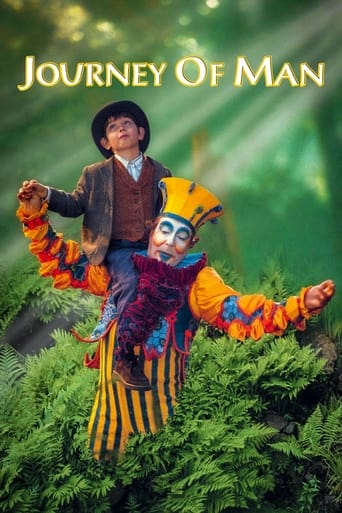
A child is born. We see underwater swimmers representing this. He is young, in a jungle setting, with two fanciful "instincts" guiding him as swooping bird-like acrobats initially menace, then delight. As an adolescent, he enters a desert, where a man spins a large cube of metal tubing. He leaves his instinct-guides behind, and enters a garden where two statues dance in a pond. As he watches their sensual acrobatics of love, he becomes a man. He is offered wealth (represented by a golden hat) by a devil figure. In a richly decorated room, a scruffy troupe of a dozen acrobats and a little girl reawaken the old man's youthful nature and love.
The film presents thirteen rhythms of flamenco, each with song, guitar, and dance: the up-tempo bularías, a brooding farruca, an anguished martinete, and a satiric fandango de huelva. There are tangos, a taranta, alegrías, siguiriyas, soleás, a guajira of patrician women, a petenera about a sentence to death, villancicos, and a final rumba.