

The Kasims
Documentary
Overview
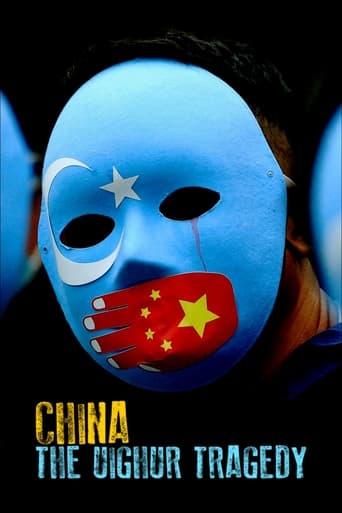
Eighteen-year-old Shahnura is about to graduate from high school. Her mother spends hours at the dining table while Shahnura is at school, wondering if her mother, sister, and brother are still alive. Living in Germany without a passport or nationality, she listens to the harrowing stories of her mother and two friends who have experienced imprisonment and re-education camps in China. These accounts reveal the suffering, human rights abuses, forced adoptions, and the grim reality of the camps where the predominantly Muslim Turkic Uyghurs are tortured and mistreated.



No cast information.
Similar Movies
For the first time, survivors talk about life after the camps. How does one return to a life that was interrupted with such violence? How does one reconstruct oneself when all or most of one’s family were butchered? How does one resume studies and earn a living in a society that had cast you out a few years earlier?

Here in Toronto, four young Somali refugees are finishing high school. What did they bring with them? What did they find in Canada? Their testimonies, about us and about themselves, interspersed with newsreel footage and sequences of a theatrical creation in which they put all their soul, make them immediately endearing and overturn many prejudices held against refugees. A film that makes you want to get to know them better.
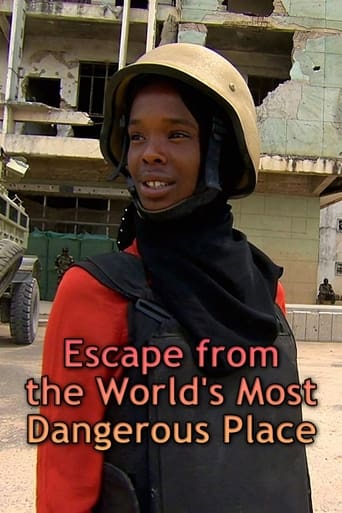
Successful model Samira Hashi makes an emotional return to Somalia, one of the most dangerous places in the world and the place she was born. Civil war broke out in 1991, 10 days after Samira's birth, but two years later her family managed to flee the country and she grew up in the UK.Now, as Samira and the war both turn 21, she's going back for the first time to visit the people and places she left behind. The contrast with her safe and glamorous life in London could not be starker as she experiences firsthand the war's effect on a generation of young people growing up in conflict.
When a group of Eritrean refugees arrive in the small town of Härnösand there is a growing sentiment against them from the locals. 17-year old Sara Westin decides to found an anti-racist group to combat these feelings but when Sara and her best friend are murdered by Sara's Eritrean ex-boyfriend the feelings in the city reach a boiling point.
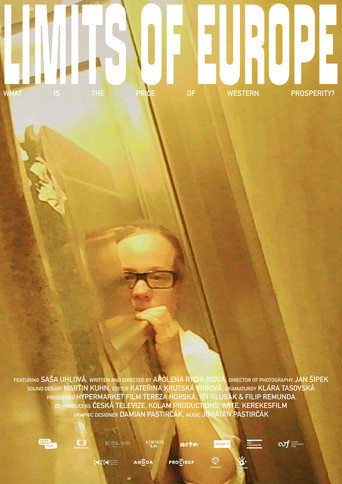
A prominent Czech journalist Saša Uhlová leaves her family and joins “cheap labour force” in Western Europe. Undercover, she works at an asparagus farm in Germany, tries her hand as a maid at a hotel in Ireland and takes care of the elderly in France. She experiences first-hand the struggles of Eastern European low-wage workers whose sacrifice and hard work allow for the Western society’s comfort. What is the real price that Europe pays for exploiting its own citizens? How do the lives of economic migrants, who have been forced to leave their children and elderly parents, look like? And why are privileged Europeans looking the other way?

Those who do not know the Sahara think there is only sand in the desert. But in the desert there are children who play and draw and make movies, and who would like to not have to think about the war. In the desert there's a European colony, an occupied country called Western Sahara, where there are thousands of Sahrawi refugees living a hard life in exile. "Little Sahara" tells their story, the story of a supportive, resilient people who try to thrive and grow in the Hamada, where everything has a hard time growing.