

The Cordon
Drama
Overview
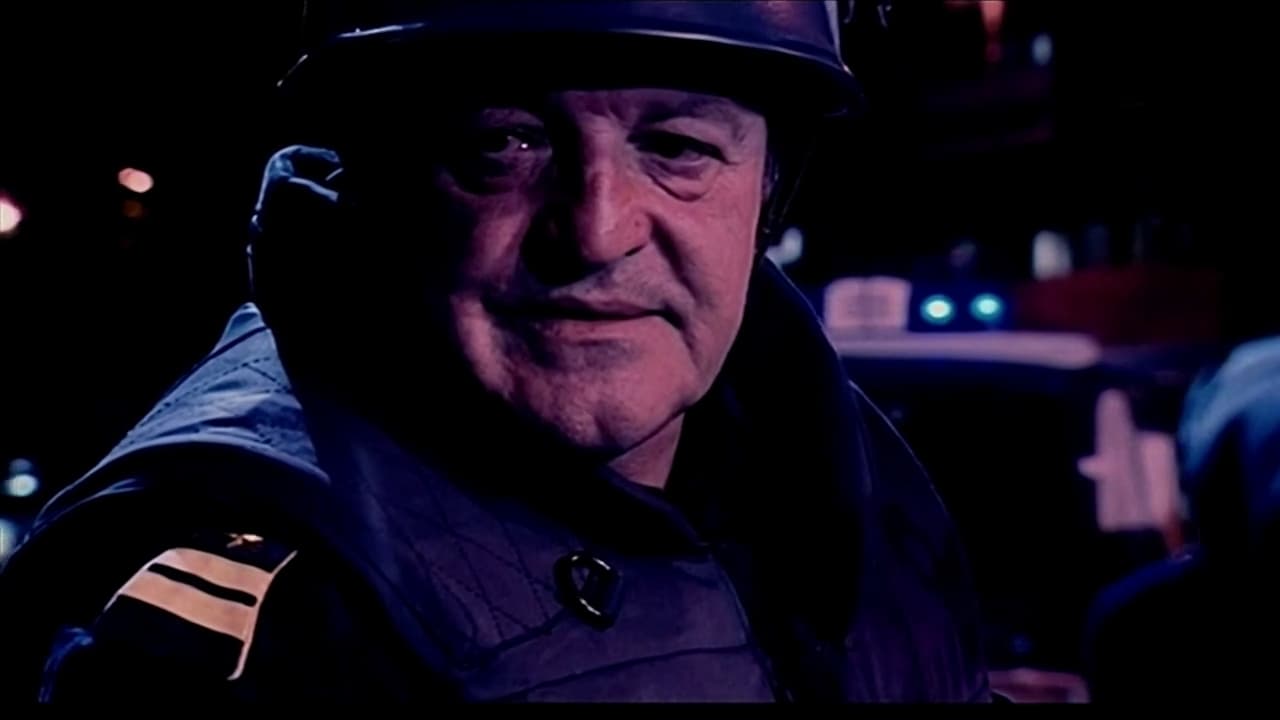
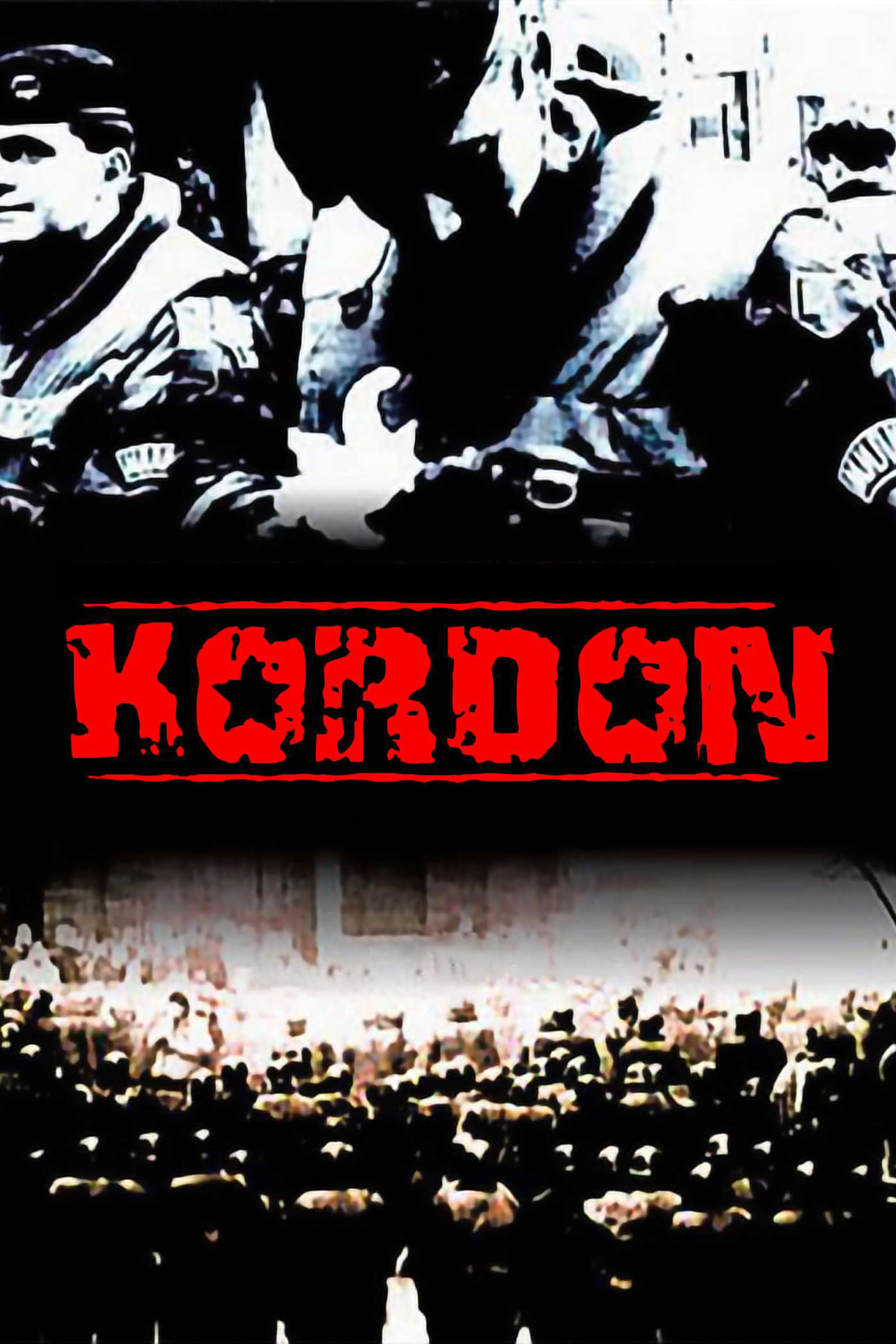
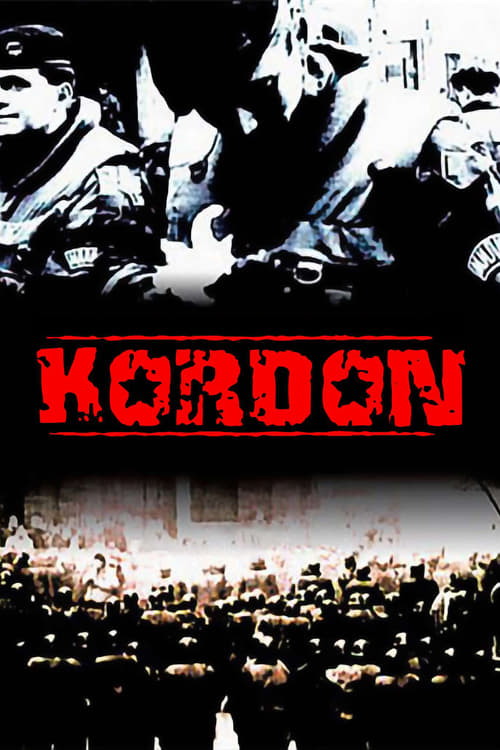
Yugoslavian filmmaker Goran Markovic directs the psychological drama The Cordon. Set in Belgrade over Easter weekend in 1997, the film involves a group of policemen who respond to the city's political turmoil. Due to the overthrow of Serbian leader Slobodan Milosevic, violence and protests have erupted all over the city. Patrolling the streets in a bus driven by Uros (Ratko Tankosic), the unit consists of Crni (Dragan Petrovic), Dule (Nikola Duricko), Kole (Nebojsa Milovanovic), and Seljak (Nenad Jezdic). They are led by commanding officer Dragon (Marko Nikolic), who isn't entirely sure what to do himself. Throughout their weekend-long shift, each man battles with his own personal problems as the political tension escalates. The Cordon won the top prize at the 2003 Montreal World Film Festival.

Milutin Milošević
Milutin Milošević
Aca
Milutin Milošević
Aca

Marko Nikolić
Marko Nikolić
Zmaj
Marko Nikolić
Zmaj

Dragan Petrović 'Pele'
Dragan Petrović 'Pele'
Crni
Dragan Petrović 'Pele'
Crni
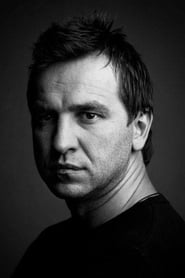
Nenad Jezdić
Nenad Jezdić
Seljak
Nenad Jezdić
Seljak
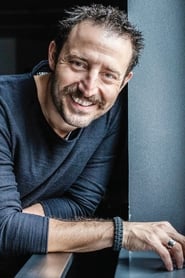
Nikola Đuričko
Nikola Đuričko
Dušan
Nikola Đuričko
Dušan
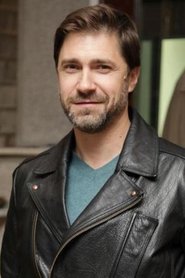
Nebojša Milovanović
Nebojša Milovanović
Kole
Nebojša Milovanović
Kole

Ratko Tankosić
Ratko Tankosić
Uroš
Ratko Tankosić
Uroš

Marija Dakić
Marija Dakić
Zorica
Marija Dakić
Zorica

Bogdan Diklić
Bogdan Diklić
Borko
Bogdan Diklić
Borko
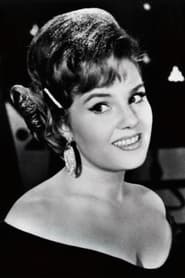
Olivera Marković
Olivera Marković
Baka na klupi
Olivera Marković
Baka na klupi
Similar Movies
For 40 years, the community-organizing group ACORN advocated for America’s poorest communities, while its detractors accused it of promoting the worst of liberal policies. Riding high on the momentum of Barack Obama’s presidential victory in 2008, ACORN was at its political zenith when a hidden-camera video sparked a national scandal and brought it crashing down. The story involves voter fraud, a fake prostitute, and the rise of Breitbart.com.
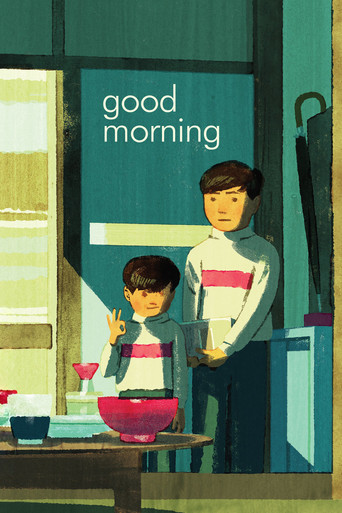
A lighthearted take on director Yasujiro Ozu’s perennial theme of the challenges of intergenerational relationships, Good Morning tells the story of two young boys who stop speaking in protest after their parents refuse to buy a television set. Ozu weaves a wealth of subtle gags through a family portrait as rich as those of his dramatic films, mocking the foibles of the adult world through the eyes of his child protagonists. Shot in stunning color and set in a suburb of Tokyo where housewives gossip about the neighbors’ new washing machine and unemployed husbands look for work as door-to-door salesmen, this charming comedy refashions Ozu’s own silent classic I Was Born, But . . . to gently satirize consumerism in postwar Japan.
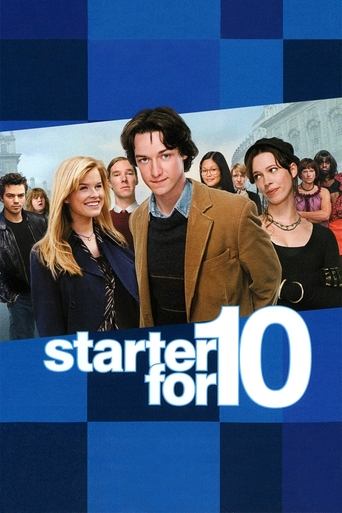
In 1985, against the backdrop of Thatcherism, Brian Jackson enrolls in the University of Bristol, a scholarship boy from seaside Essex with a love of knowledge for its own sake and a childhood spent watching University Challenge, a college quiz show. At Bristol he tries out for the Challenge team and falls under the spell of Alice, a lovely blond with an extensive sexual past.
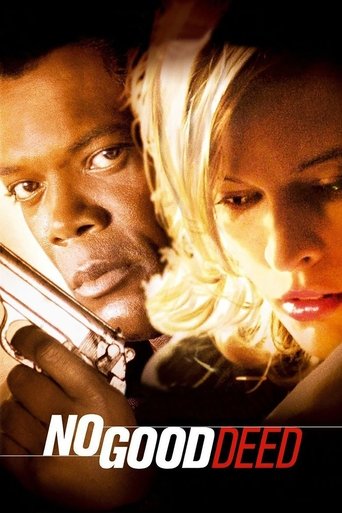
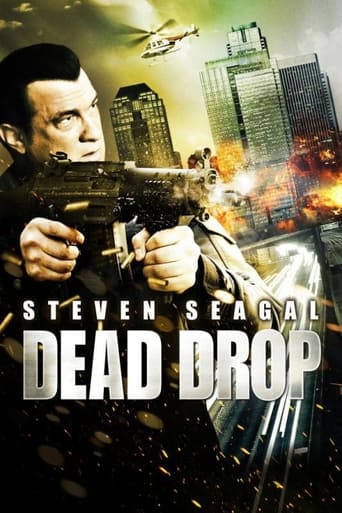
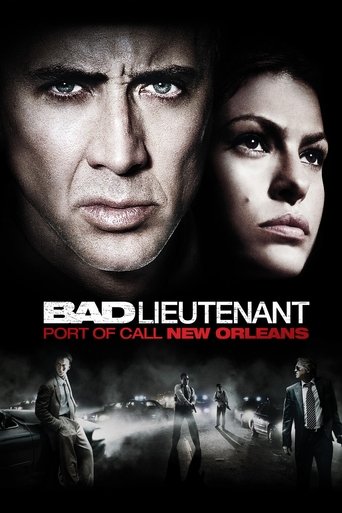
Elijah Kane is not your average cop. As leader of an elite, undercover police unit he has dedicated his entire life to the relentless pursuit of truth and justice. And he will stop at nothing in bringing down an enemy of the law. But someone has put a price on Kane’s head and wants him and his team of crime fighters brought down. Could it be the mysterious crime boss known only as the ghost? Could it be the Russian gangsters connected to a missing suitcase of deadly nukes? Or is it a double agent informant working within the CIA? One thing’s for sure, when Elijah Kane finds out they better start saying their prayers.
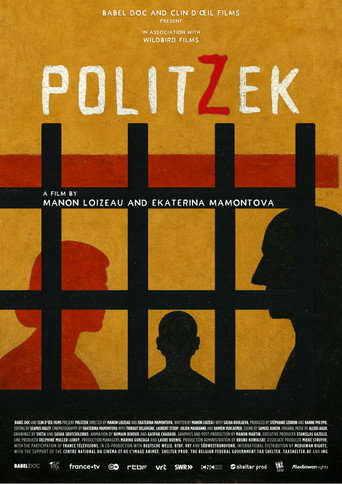
In Russia, criticizing the war in Ukraine or Vladimir Putin’s regime has become a crime. Thousands of ordinary citizens are being arrested, tried, and imprisoned. They are called “Politzek”: political prisoners. Filmed clandestinely over the course of more than a year, Politzek gives a platform to those who, despite the fear, continue to speak out against Putin’s repressive Russia. Through the intersecting stories of a teenager sentenced to five years in prison for criticizing the government on social media, a young artist jailed for placing anti-war stickers, a human rights activist, and two theater directors facing Kafkaesque trials, the film unveils the machinery of state repression in Russia. With rare footage, broken yet unyielding voices, this is a story of silenced resistance.
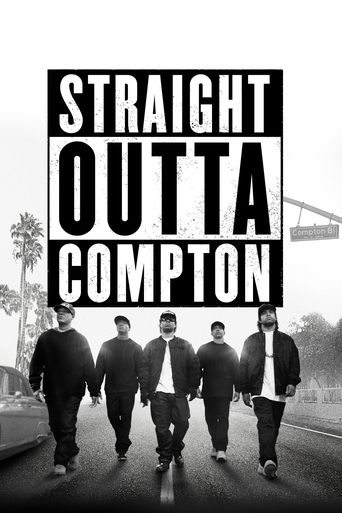
In 1987, five young men, using brutally honest rhymes and hardcore beats, put their frustration and anger about life in the most dangerous place in America into the most powerful weapon they had: their music. Taking us back to where it all began, Straight Outta Compton tells the true story of how these cultural rebels—armed only with their lyrics, swagger, bravado and raw talent—stood up to the authorities that meant to keep them down and formed the world’s most dangerous group, N.W.A. And as they spoke the truth that no one had before and exposed life in the hood, their voice ignited a social revolution that is still reverberating today.
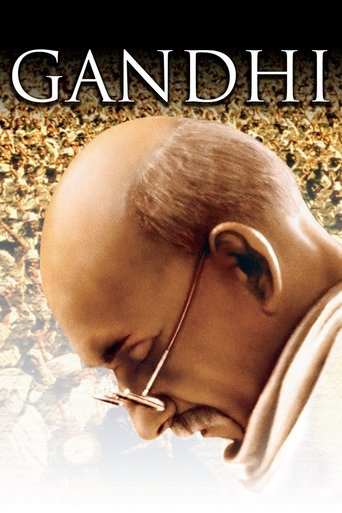
In the early years of the 20th century, Mohandas K. Gandhi, a British-trained lawyer, forsakes all worldly possessions to take up the cause of Indian independence. Faced with armed resistance from the British government, Gandhi adopts a policy of 'passive resistance', endeavouring to win freedom for his people without resorting to bloodshed.
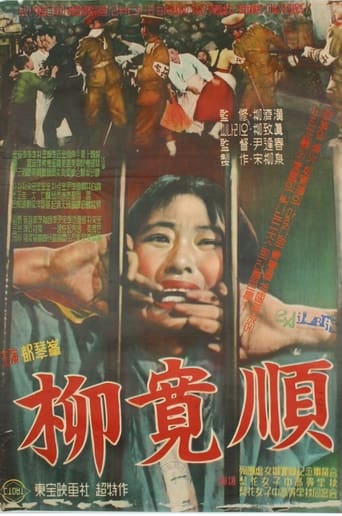
This film is about of the life of the young patriotic martyr Yu Gwan-sun, who fought for the liberation of her country during the Independence Movement in 1919. As the Independence Movement becomes more and more intense among Korean students, the Japanese authorities order schools closed temporarily. Yu Gwan-sun (Do Geum-bong) persuades her neighbors to join the national movement, and continues her aggressive struggle against Japanese rule. An independent campaign at Aunae, a market site, is successful with the passionate participation of many people. She is arrested by the Japanese police for leading the campaign and has to endure horrible tortures. But she never gives up her fight, encouraging her cell mates to participate in the movement. She is finally taken to an underground room by the Japanese police and murdered.