

Troubles: The Life After
Documentary
Overview
A poetic, intimate account of the Troubles in Northern Ireland, told through the stories of a handful of people who lost loved ones during the conflict. It’s not the story of the politicians or the terrorists. It’s the story of the mothers, sisters and daughters who kept life going when everything around them was crumbling.
No cast information.
Similar Movies

While the overt violence and conflict associated with the Troubles may have subsided since the Good Friday Agreement, it is true that many people in Northern Ireland continue to be affected by the legacy of the conflict. This includes individuals who were directly impacted by the violence, as well as those who continue to struggle with the social, economic, and political consequences of the conflict. While the actual violence and conflict may have ended, the legacy of the Troubles still lingers on in Northern Ireland; many are still struggling to come to terms with what happened and find a way to move forward.
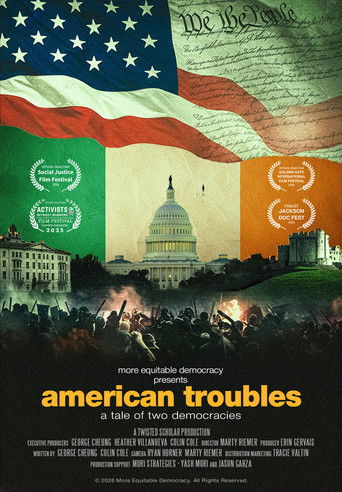
America's democracy feels more divided than ever - but what if the problem lies in how we vote? "American Troubles" explores whether proportional representation could break the cycle of dysfunction, drawing comparisons from two striking case studies: Portland, Oregon, where a bold new voting system is reshaping local politics, and Northern Ireland, where proportional elections helped end decades of violent conflict. Blending history, reform, and human stories, the film shows how electoral rules can entrench division - or create space for compromise.
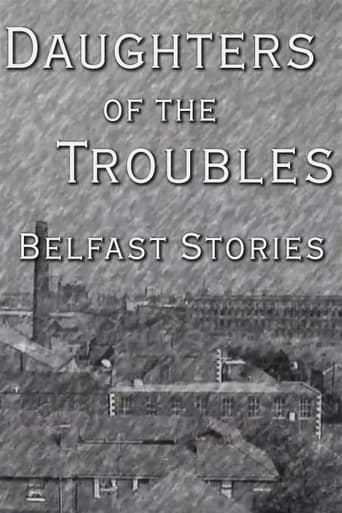
The women of Belfast played a unique role in holding together their families and communities during the Troubles in Northern Ireland. Filmed during the fragile 17-month paramilitary cease-fire, Daughters of the Troubles: Belfast Stories looks at the challenges facing women trying to put their direct experience of grassroots problems on the agenda of the established political parties. Their strength, first exhibited on the community level, started to reach a wider public.

The testimony of the men who unwittingly became war photographers on the streets of their own towns in Northern Ireland, when violence erupted around them. Instead of photographing weddings and celebrities, as they expected, they produced the images that crudely show the suffering of ordinary people between 1968 and 1998, the worst years of the conflict.