

Alone Again in Fukushima
Documentary
Overview
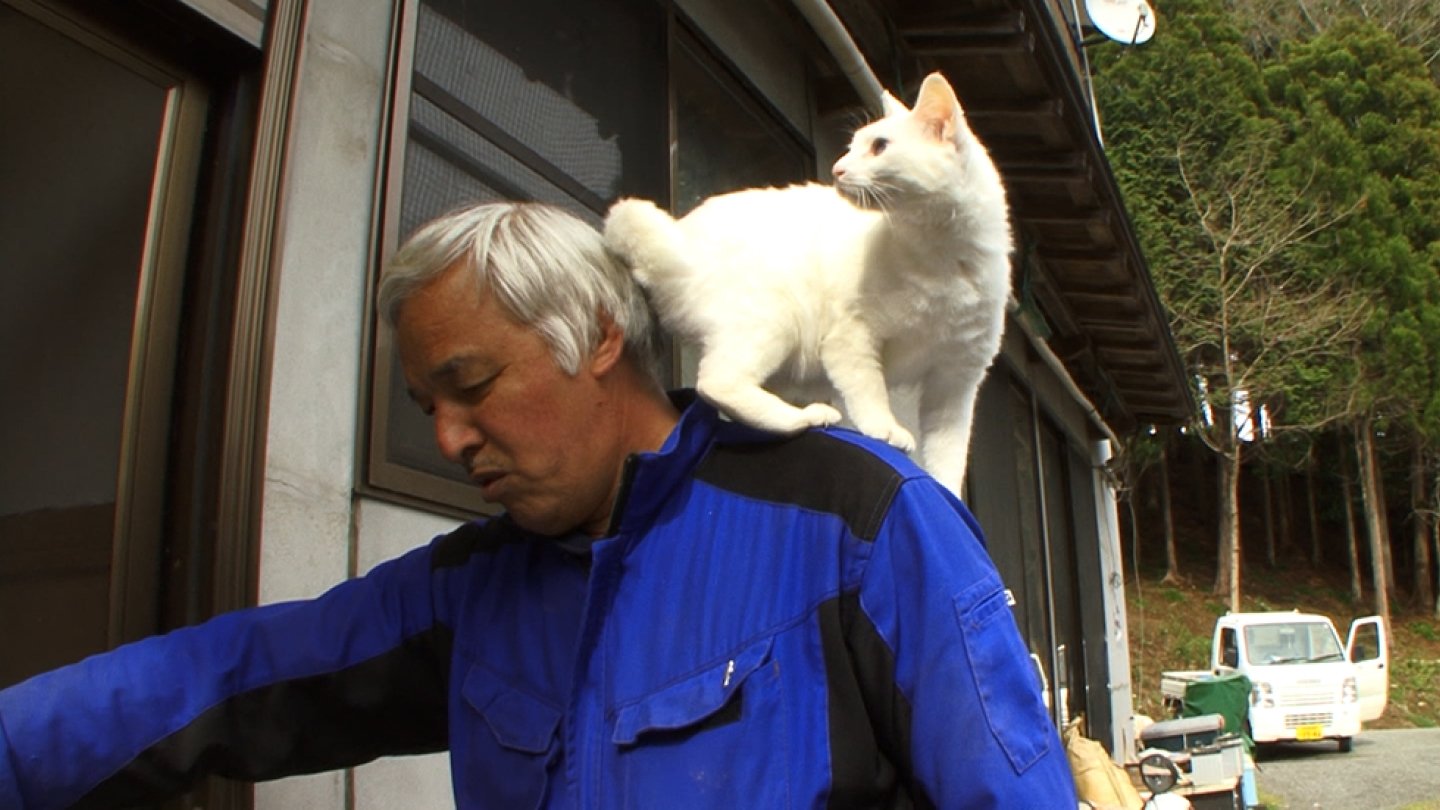
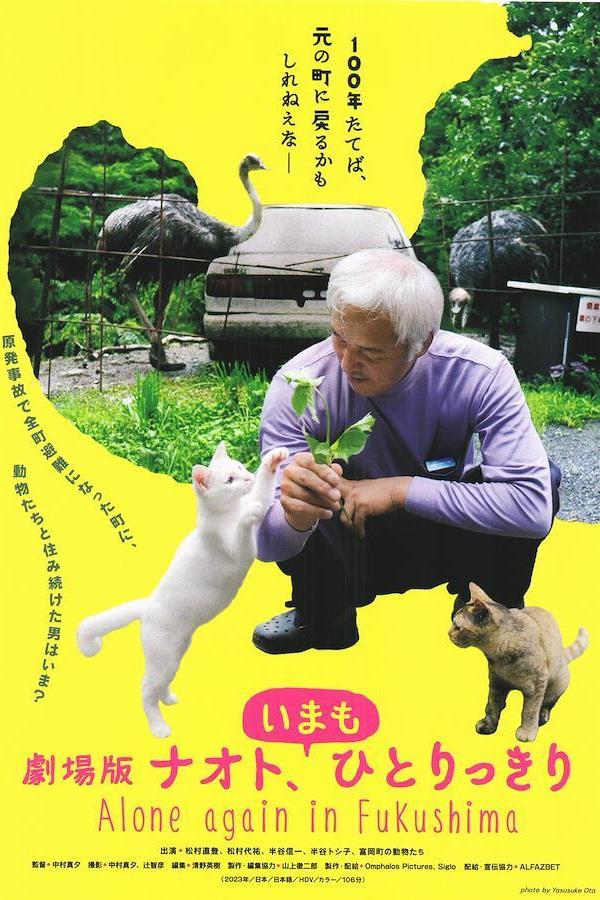
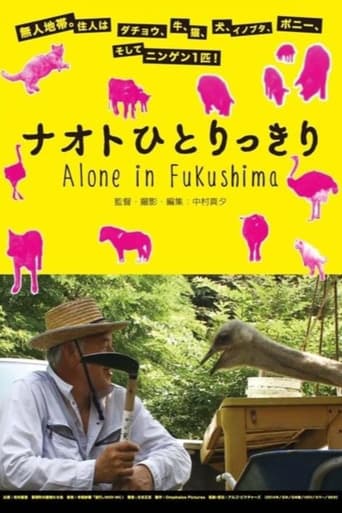
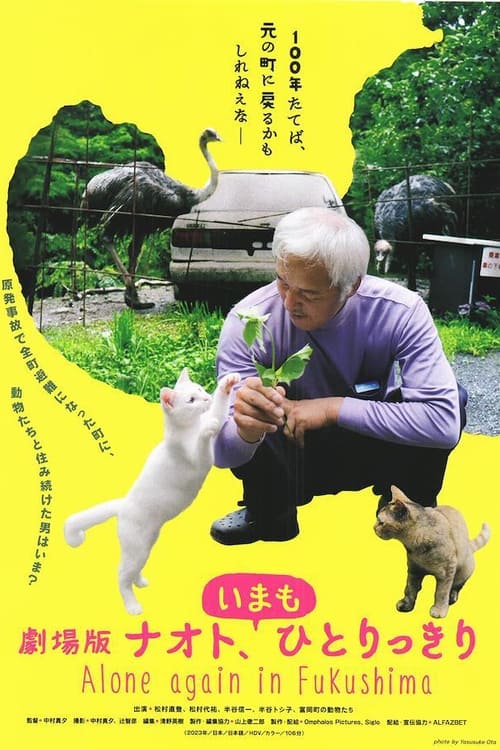
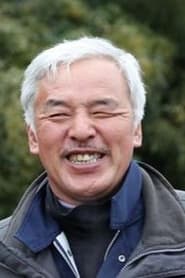
“Alone Again is Fukushima” is the long-awaited sequel to "Alone in Fukushima" (2015), which followed Naoto Matsumura, a man who remained in the nuclear zone in Fukushima to tend animals. The film has followed Naoto for nearly a decade and portrays how Naoto and the animals survived the residents' return to the town, Tokyo Olympics, and COVID-19. In the course of 10 years, many animals and humans were born and died. But Naoto remained in the town and took care of the animals. He raised chickens and kept bees in order to survive. In 2017, Tomioka became the place where people can come back to live, however most young people didn’t return. There is no end in sight for the nuclear crisis in Fukushima. The contaminated water is overflowing and will be pumped out to the ocean soon. Meanwhile the government is trying to restart the nuclear reactors all over the country. The film will give us a chance to reflect on this situation by looking at how Naoto and animals survive in Fukushima.
Top Cast

Naoto Matsumura
Naoto Matsumura
Himself
Naoto Matsumura
Himself
Similar Movies
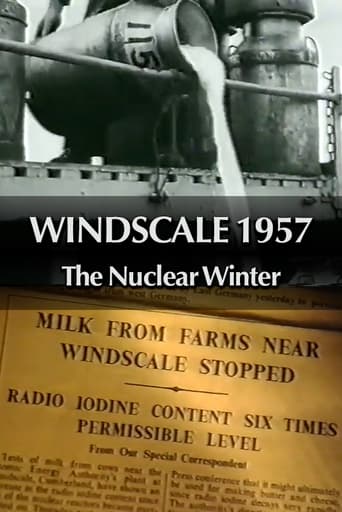
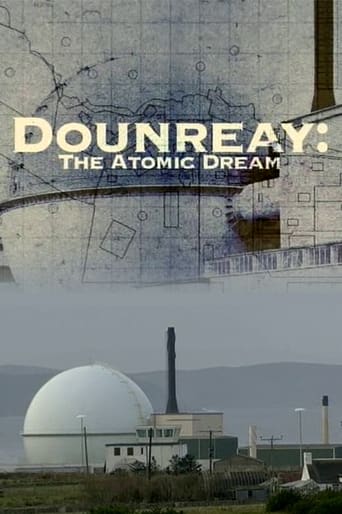
In October 1957, one of the Windscale nuclear reactors caught fire. It was the world's first nuclear accident, attributed to the rush to build atomic weapons. This programme highlights the mistakes leading to a nuclear event which, 40 years on, still takes second place only to Chernobyl.
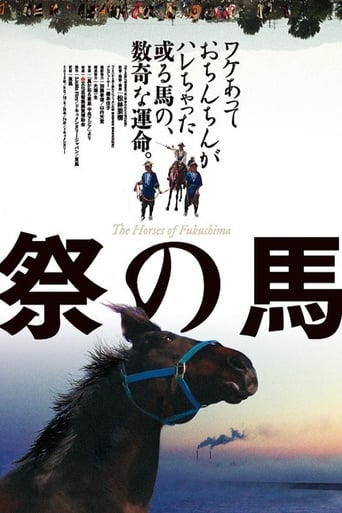
Fukushima's Minami-soma has a ten-centuries-long tradition of holding the Soma Nomaoi ("chasing wild horses") festival to celebrate the horse's great contribution to human society. Following the meltdown of the Fukushima Daiichi Nuclear Power Plant in the wake of the March 11, 2011 earthquake and tsunami, local people were forced to flee the area. Rancher Shinichiro Tanaka returned to find his horses dead or starving, and refused to obey the government's orders to kill them. While many racehorses are slaughtered for horsemeat, his horses had been subjected to radiation and were inedible. Yoju Matsubayashi, whose "Fukushima: Memories of the Lost Landscape" is one of the most impressive documentaries made immediately after the disaster, spent the summer of 2011 helping Tanaka take care of his horses. In documenting their rehabilitation, he has produced a profound meditation on these animals who live as testaments to the tragic bargain human society made with nuclear power.
In a quiet forest, a sign warns of radiation hazard. “Is this the past or the future?” muses the masked figure who appears like a kind of ghost in nuclear disaster areas. At a time when nuclear power may be re-emerging as an alternative to fossil fuels, this calmly observed and compelling tour takes us to places that may serve as a warning.
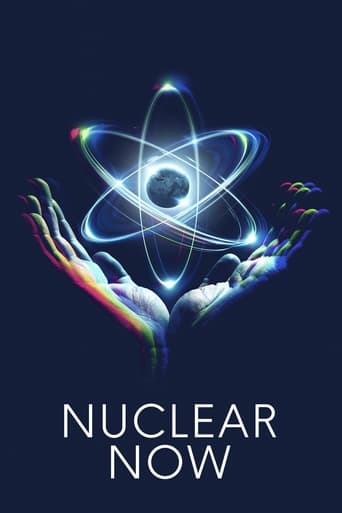
With unprecedented access to the nuclear industry in France, Russia, and the United States, Nuclear Now explores the possibility for the global community to overcome the challenges of climate change and energy poverty to reach a brighter future through the power of nuclear energy. Beneath our feet, Uranium atoms in the Earth’s crust hold incredibly concentrated energy. Science unlocked this energy in the mid-20th century, first for bombs and then to power submarines. The United States led the effort to generate electricity from this new source. Yet in the mid-20th century as societies began the transition to nuclear power and away from fossil fuels, a long-term PR campaign to scare the public began, funded in part by coal and oil interests.
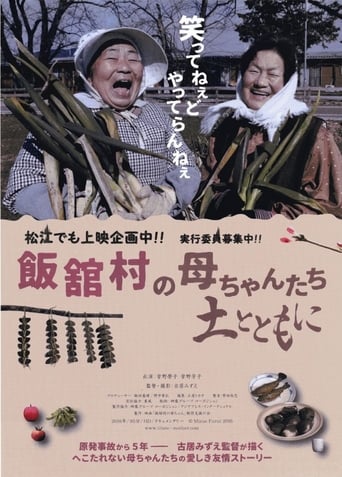
Eiko Kanno is a 79 year old grandmother whose life has been completely changed by the nuclear disaster in Fukushima. Her life should have been with her grandchildren but because of the disaster which caused her entire village of Iitate to be evacuated. She now lives by herself in temporary housing. Yoshiko Kanno and her extended family are very important to her changed life. Yoshiko Kanno lost her parents in the evacuation and she found herself living next door to Eiko Kanno. They entertain themselves by telling jokes to each other like a comedic duo. They now live together.
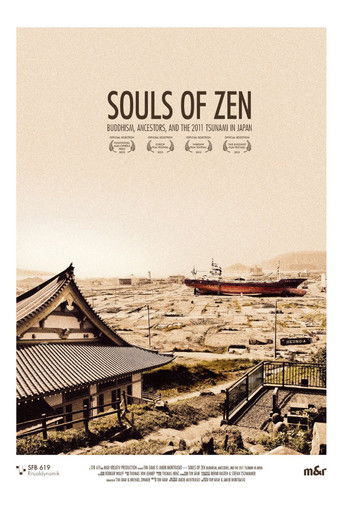
The Japanese population’s reaction to the catastrophe of March 2011 has been described as “stoic” by the Western media. The Japanese code of conduct is indeed deeply rooted in their Buddhist traditions, and young filmmakers Tim Graf and Jakob Montrasio observe in detail what this means for the people and their religion. At graveyards, in temples, at monasteries and with families, they question the impact this triple affliction has had on the lives and beliefs of the inhabitants. How deeply do their beliefs affect their grieving? What role do the monks play in assisting people with their grief? And, what effects has this enormous catastrophe had on their religious rituals? SOULS OF ZEN inserts the events of March 2011 into the context of traditional Zen Buddhism, examining Japan’s religiousness and the beliefs of those practising it at a crucial turning point.