

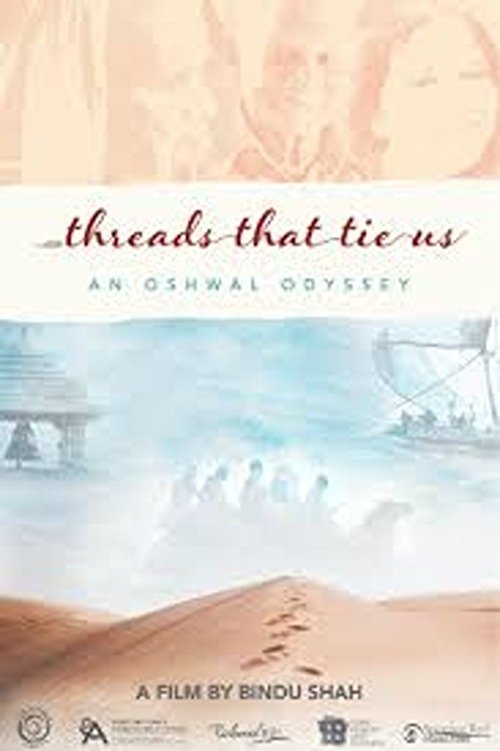
Threads That Tie Us: An Oshwal Odyssey
Documentary
Overview
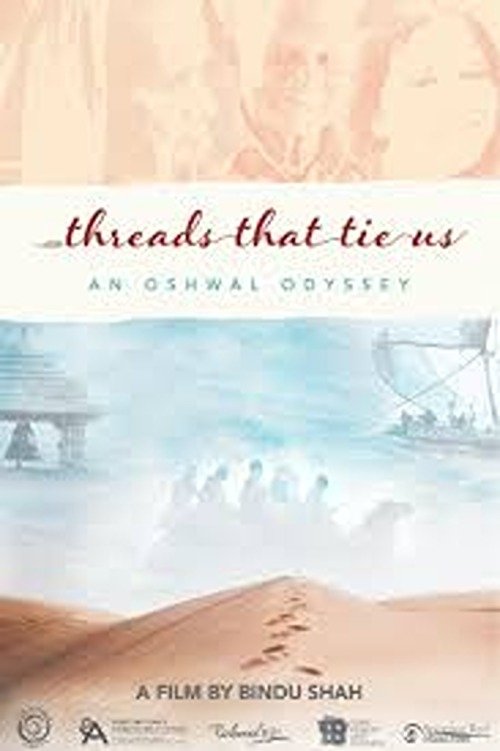
The Halari Oshwals are a small community dispersed around the world yet held together by a history of sacrifices. But times have changed. This globalization has led to many problems within the community, and their numbers are dwindling. An Oshwal woman from Canada worries about the preservation and survival of her heritage in the hands of generations to come. She sets out on a pilgrimage to visit Oshwal communities in Kenya, where she was born; the UK, where she lived for a while; and India, where her parents originated. She discovers a shared concern for the future of the community and its traditions in the face of globalization and geographical disconnect, and explores what this means for the younger generation and their Oshwal identity.




No cast information.
Similar Movies
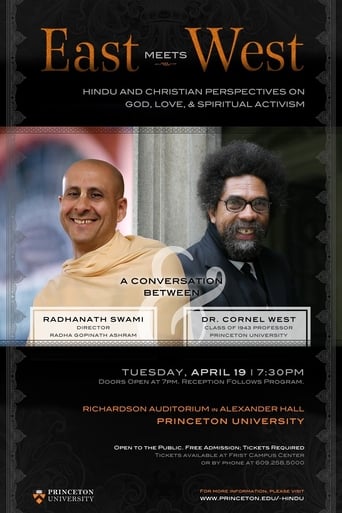
Two worlds beautifully collide as Dr. Cornel West (Class of 1943 Professor at Princeton University and acclaimed author and speaker) and His Holiness Radhanath Swami (Bhakti Yoga master, director of the Radha-Gopinath Ashram, and acclaimed author and speaker) sit down together and share their thoughts on the Divine, the mysteries of love, and the role that spirituality plays in activism.

Renowned as the richest gold strike in North American mining history, the Klondike Gold Rush (1896-1899) set off a stampede of over 100,000 people on a colossal journey from Alaska to the gold fields of Canada's Yukon Territory. Filled with the frontier spirit, prospectors came and gave rise to what was one of the largest cities in Canada at that time - Dawson City. The boomtown, which became known as "the Paris of the North", earned the reputation as a place where lives could be revolutionized. Brought to life with excerpts from the celebrated book The Klondike Stampede - published in 1900 by Harper's Weekly correspondent Tappan Adney - and featuring interviews with award-winning author Charlotte Gray, and historians Terrence Cole and Michael Gates, The Klondike Gold Rush is an incredible story of determination, luck, fortune, and loss. In the end, it isn't all about the gold, but rather the journey to the Klondike itself.
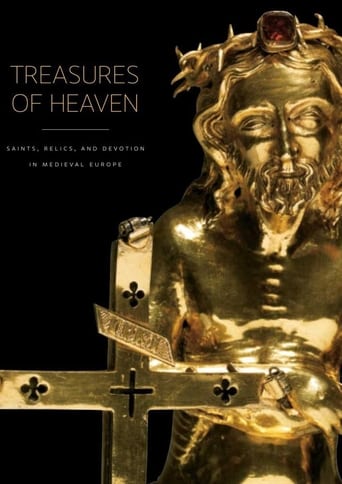
Andrew Graham-Dixon explores the ancient Christian practice of preserving holy relics and the largely forgotten art form that went with it, the reliquary. Fragments of bone or fabric placed inside a bejewelled shrine, a sculpted golden head or even a life-sized silver hand were, and still are, objects of religious devotion believed to have the power to work miracles. The documentary features interviews with art historian Sister Wendy Beckett and Neil MacGregor, director of the British Museum.

Summer 1936 - The Berlin Olympics, organized by the Nazi regime on the eve of World War II, acted as a grand showcase for a Germany that was athletic, peaceful and rejuvenated. The violence and hate that until then had reigned in the streets of Berlin suddenly vanished. Adolf Hitler became the triumphant host of European countries he would soon try to invade or face in a deadly global conflict.
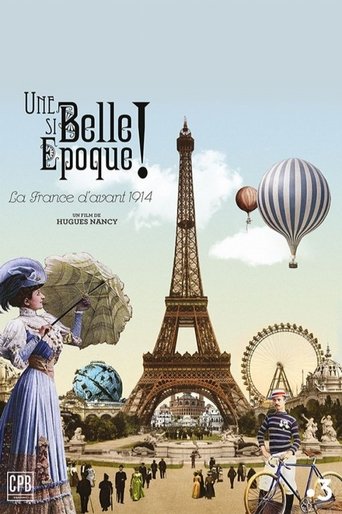
In 1900, the eyes of the whole world are on Paris. The World's Fair welcomed 50 million amazed visitors, and the city celebrated itself in a glamorous era. This period went down in history as the "Belle Époque." Elaborately restored and colorized historical photographs bring to life the exciting life in Paris between the end of the 19th century and the beginning of World War I in 1914. Bicycles, cars, airplanes, moving pictures, newly founded film studios, revolutionary composers and painters, avant-garde ballet performances, fashion houses, summer resorts on the Atlantic coast – life was intoxicating. People celebrate in the variety shows, cabarets, and revue theaters of Paris. Moulin Rouge, Folies Bergères, Bal Tabarin—in Paris, the nights are long and life is too short to sleep through. It is a dance on the volcano, given the political developments in the world.

Priests, theologians and bishops are increasingly confessing that the majority of clergy no longer keep celibacy. They condemn the institution of the church and its treatment of priests. And they refuse to obey the ecclesiastical laws imposed by the Vatican. They no longer want to keep their private lives secret. Many are calling for an end to compulsory celibacy.
Exploration of the ordinary lives led by women of different classes—a college professor, an unmarried woman, and a seasoned drama artist. They unveil the societal intricacies woven into their social backgrounds, with typical evening talks besides them. Gripping tales of yore immersed in the metaphorical embrace of their surroundings, their familial shelters are emblematic of resilience and protection, where profound truths lie hidden within the depths of the commonplace.