

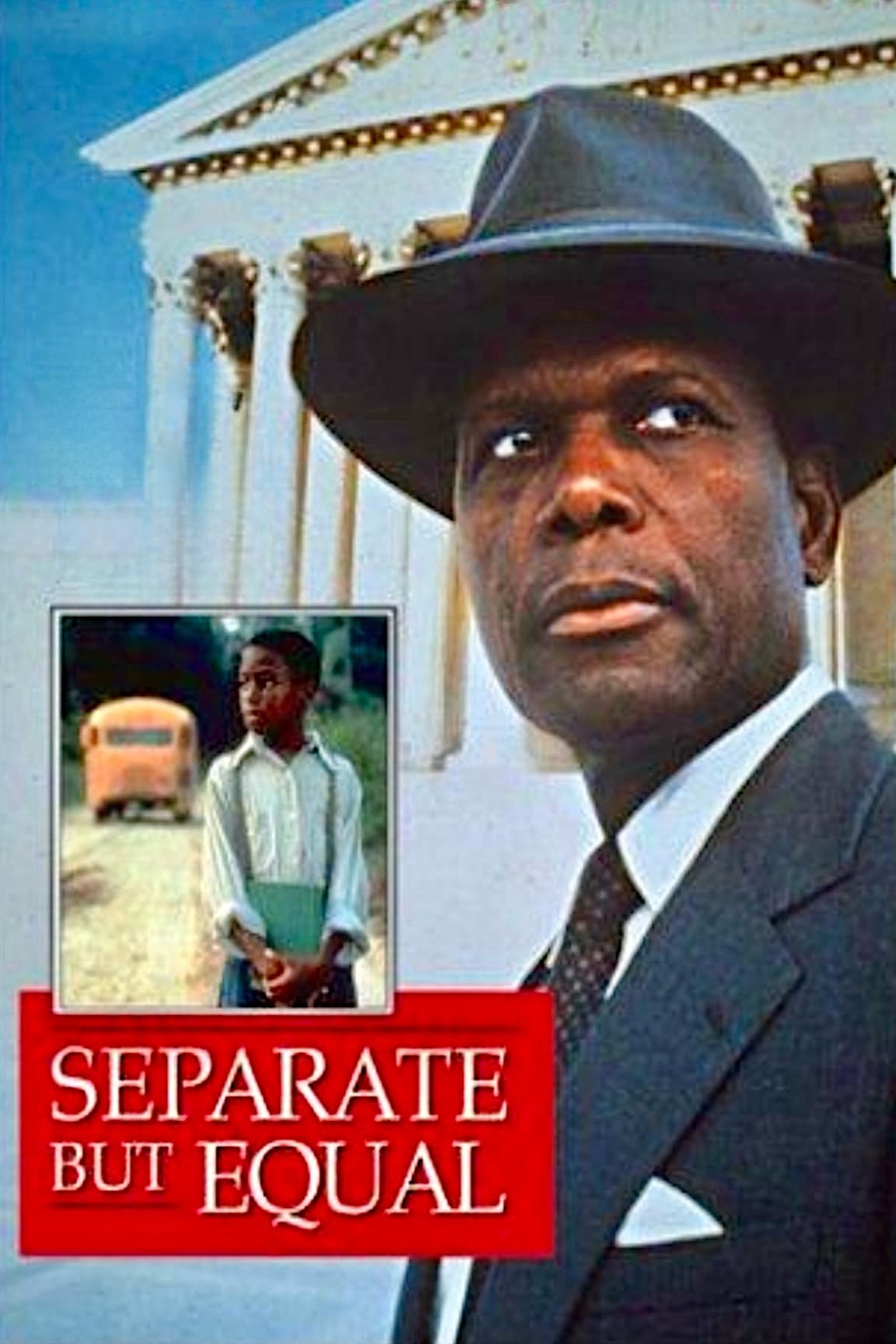
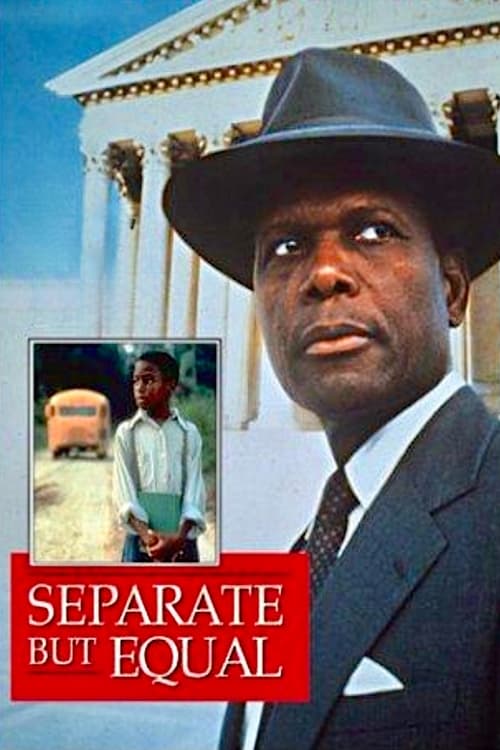
Separate But Equal
History · TV Movie · Drama
Overview
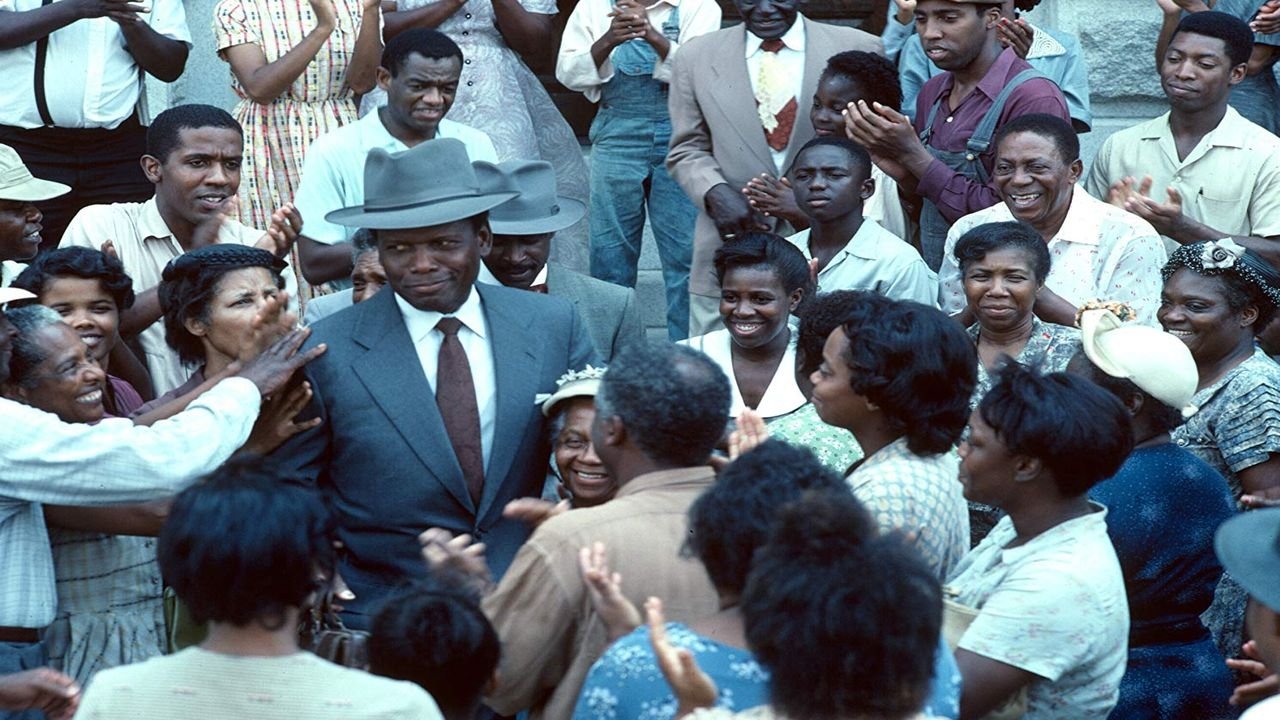
A dramatization of the events of Brown vs. Board of Education, the American court case that destroyed the legal validity of racial segregation.
Top Cast

Sidney Poitier
Thurgood Marshall

Burt Lancaster
John W. Davis

Richard Kiley
Chief Justice Earl Warren

Cleavon Little
Robert L. 'Bob' Carter
Gloria Foster
Vivian 'Buster' Marshall
John McMartin
Governor James F. Byrnes
Mark Hammer
Associate Justice Stanley Forman Reed

Graham Beckel
Josiah C. Tulley

Jeffrey Wright
William Coleman
Ed Hall
Reverend J.A. Delaine

Lynne Thigpen
Ruth Alice Stovall

Hallie Foote
Julia Davis






Sidney Poitier
Sidney Poitier
Thurgood Marshall
Sidney Poitier
Thurgood Marshall
Burt Lancaster
Burt Lancaster
John W. Davis
Burt Lancaster
John W. Davis
Richard Kiley
Richard Kiley
Chief Justice Earl Warren
Richard Kiley
Chief Justice Earl Warren
Cleavon Little
Cleavon Little
Robert L. 'Bob' Carter
Cleavon Little
Robert L. 'Bob' Carter
Gloria Foster
Gloria Foster
Vivian 'Buster' Marshall
Gloria Foster
Vivian 'Buster' Marshall
John McMartin
John McMartin
Governor James F. Byrnes
John McMartin
Governor James F. Byrnes
Mark Hammer
Mark Hammer
Associate Justice Stanley Forman Reed
Mark Hammer
Associate Justice Stanley Forman Reed
Graham Beckel
Graham Beckel
Josiah C. Tulley
Graham Beckel
Josiah C. Tulley
Jeffrey Wright
Jeffrey Wright
William Coleman
Jeffrey Wright
William Coleman
Ed Hall
Ed Hall
Reverend J.A. Delaine
Ed Hall
Reverend J.A. Delaine
Similar Movies
A sewerage worker's dead body is found inside a manhole in Mumbai. An ageing folk singer is tried in court on charges of abetment of suicide. He is accused of performing an inflammatory song which might have incited the worker to commit the act. As the trial unfolds, the personal lives of the lawyers and the judge involved in the case are observed outside the court.
Lorna Blake, (Ursula Jeans) is a widow with two daughters. She augments her slender income by using her children to extort money - visiting the houses of the rich to tell a pathetic story and beg for help. And Lorna makes a rich capture when Sir Halmar Bernard, (Cecil Parker), proposes to her. She tells him that she has only one daughter, Molly (Jill Freud, credited as Jill Raymond). When her other daughter, Jay (Jean Simmons), is arrested for forging a cheque, she refuses to help her.
Aibileen Clark is a middle-aged African-American maid who has spent her life raising white children and has recently lost her only son; Minny Jackson is an African-American maid who has often offended her employers despite her family's struggles with money and her desperate need for jobs; and Eugenia "Skeeter" Phelan is a young white woman who has recently moved back home after graduating college to find out her childhood maid has mysteriously disappeared. These three stories intertwine to explain how life in Jackson, Mississippi revolves around "the help"; yet they are always kept at a certain distance because of racial lines.
Yumurcak is a very naughty boy, living with his father Nihat who is a cab driver. One day a bar singer named Aysel gets on his car, escaping from someone. Nihat saves her and becomes her driver. Bekir who is the partner of the bar, fancies Aysel and he is very jealous of her. Another gangster kills him and puts the blame on Nihat. Yumurcak's mother Selma, having learned the news, walks carelessly on the street and gets hit by a car in an accident and becomes blind. Yumurcak finds the gun of the crime in the garden, takes it to the judge and asks for his father's release. Bekir tries to escape and he kidnaps Yumurcak. However Nihat and the inspector reach just in time. Yumurcak and his family return to their happy days.
Based on the true story of Lindy Chamberlain who, during a family camping trip to Ayers Rock in central Australia, claimed she witnessed a dingo take her baby daughter, Azaria, from their tent. Azaria's body was never found and, after investigations and two public inquests, she is charged with murder.
Using government documents, archive footage and direct interviews with activists and former FBI/CIA officers, All Power to the People documents the history of race relations and the Civil Rights Movement in the United States during the 1960s and 70s. Covering the history of slavery, civil-rights activists, political assassinations and exploring the methods used to divide and destroy key figures of movements by government forces, the film then contrasts into Reagan-Era events, privacy threats from new technologies and the failure of the “War on Drugs”, forming a comprehensive view of the goals, aspirations and ultimate demise of the Civil Rights Movement…
This documentary offers a rare look at domestic abuse through the concept of coercive control. With exceptional access to hearings in Poitiers, Colmar, and Paris, Karine Dusfour captures the first French trials to address this form of psychological violence. The film shows how coercive control traps partners through constant monitoring, a hidden terror affecting hundreds of thousands of women and children in France.