

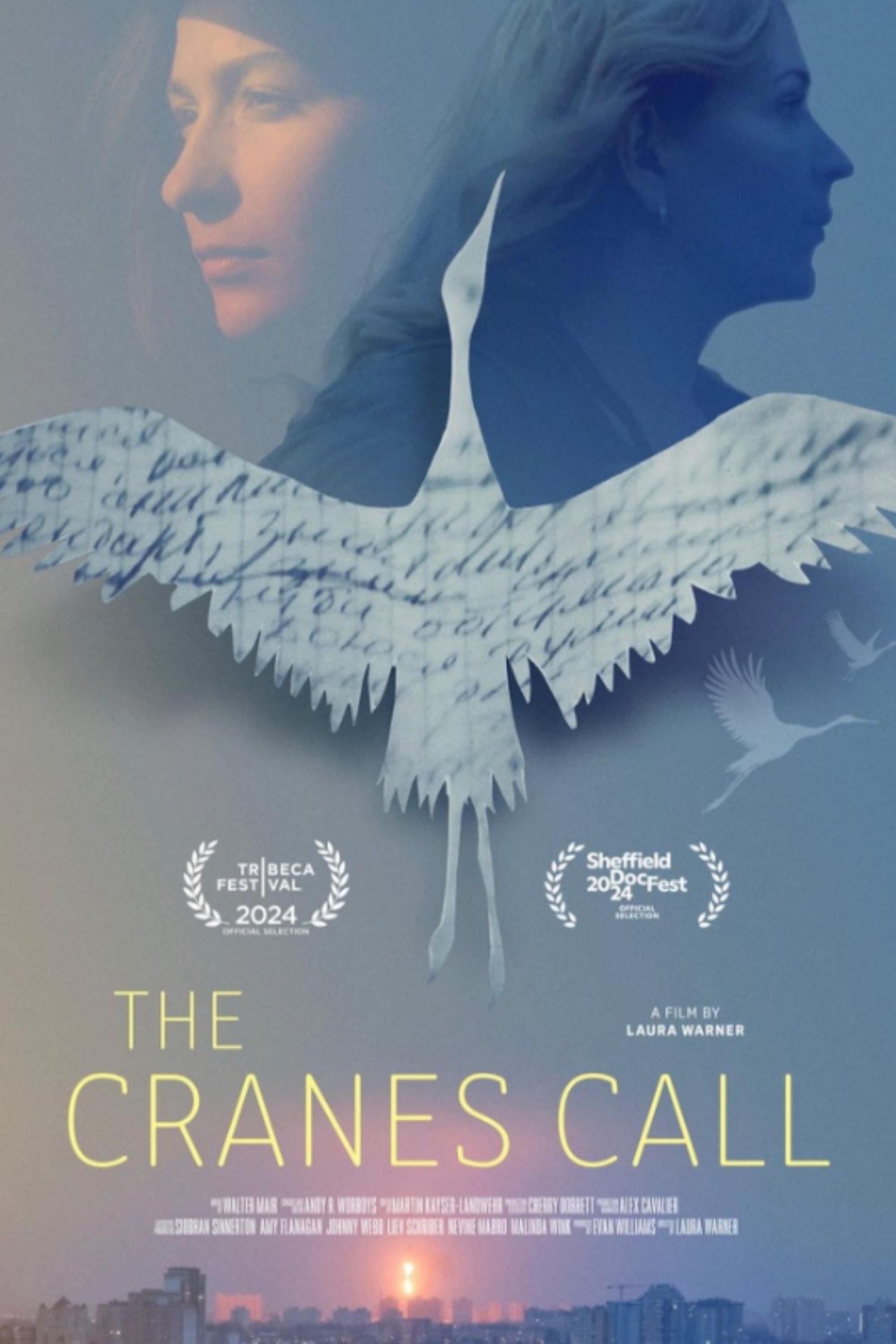
The Cranes Call
Documentary
Overview
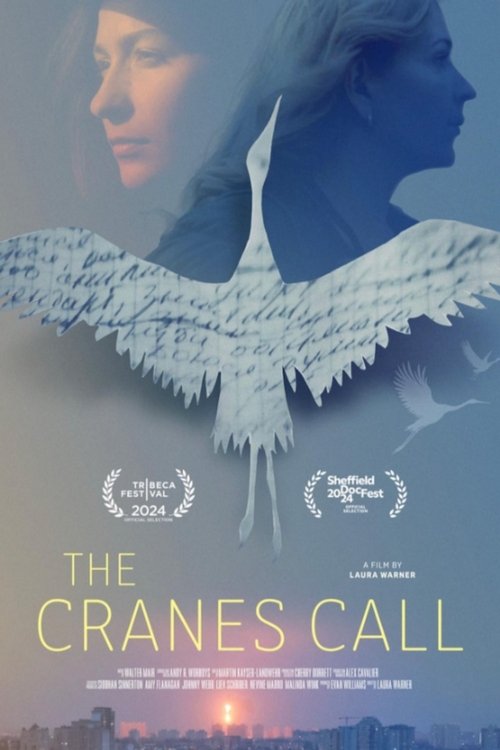
Working with their team at the Clooney Foundation for Justice, Anya Neistat, a brilliant war crimes investigator, joins forces with Solomiia Stasiv, a young Ukrainian woman just entering the field. Together they document atrocities in the fight to bring Russian generals to trial and justice to the Ukrainian people.
Anya Neistat
Anya Neistat
Anya Neistat
Solomiia Stasiv
Solomiia Stasiv
Solomiia Stasiv

Amal Clooney
Amal Clooney
Amal Clooney
Similar Movies
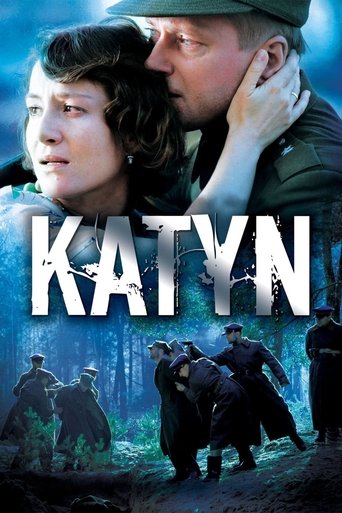
Katyń. The name of this town was banned during the communist era in Poland. It appeared as an entry in only one edition of the PWN encyclopedia from 1958, where the Germans were blamed for the crimes. When, in 1989, one of the periodicals placed this word on the cover of its April issue in the context of National Remembrance Month, the publication provoked deep and loud outrage from Wiesław Górnicki, a publicist and official advisor to General Wojciech Jaruzelski. The name Katyń had been ruthlessly and consistently erased from the national memory.
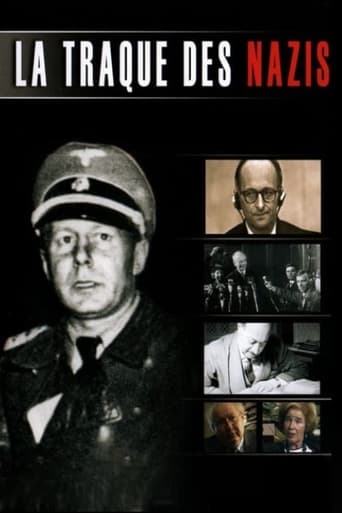
For the first time, a film recounts the story of the long pursuit of Nazis in hiding from 1945 to the present day. Sixty years of investigations, set-backs trials and dramas, brought about principally by three extraordinary individuals—the Austrian Simon Wiesenthal, and the German-French couple, Beate and Serge Klarsfeld.
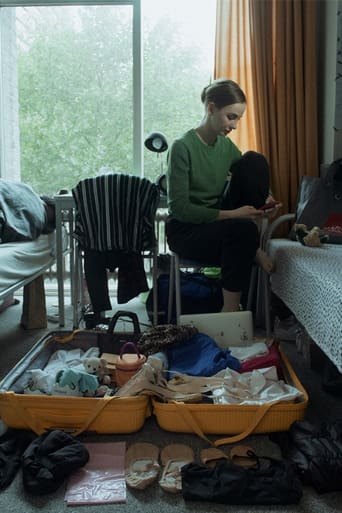
Stories about young Ukrainian dancers and their hasty flight to the Netherlands. You see their new life as refugees. The former conservatory in The Hague is a shelter for them where they collect their lives and find refuge in their profession: dance. The formation of a new ballet company, The United Ukrainian Ballet, is an important foothold in winning back their lives. They find comfort in each other and close friendships develop. In addition, there is the great love for ballet, for the dancers the best way to express themselves.
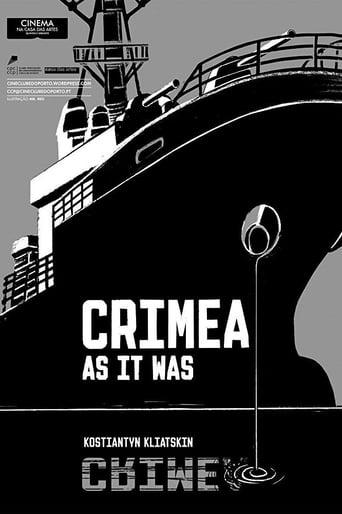
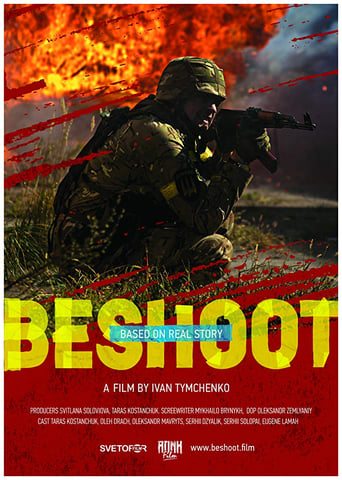
The film is a story about the officers, soldiers and seamen who did not betray their oath of loyalty to the people of Ukraine and their first hand accounts about Russia's invasion and annexation of Ukraine's Crimean Peninsula. They continue to fulfill their military obligations on land, on sea and in the air today.
The murder of thousands of Polish officers and representatives of the elite by the Soviets was a planned action of extermination of that part of the society of the Second Republic, which formed the foundation of Polish statehood. For the Communists, it was a prelude to their subsequent seizure of power, which is why the Katyn lie became one of the cornerstones of the Polish People's Republic. From the beginning, however, Poles demanded that the truth about the crime be revealed.
An account of Halina Borek's long 52-year search for the grave of her bestially murdered father. Her recollections are accompanied by excerpts from an original film shot during the exhumation of the remains of Polish officers. The film is narrated by archaeologist Zdzislaw Sawicki, who was one of the first to uncover the secrets of the Katyn graves.
Józef Gębski's film is a documentary reconstruction of the crime committed by NKVD officers against Polish officers imprisoned in Starobielsk and Kharkov in 1940. Accounts of historians and prosecutors are juxtaposed with the testimony of the then heads of the central and regional NKVD board.