

Papa, raconte-moi mon père
Documentary



No cast information.
Similar Movies
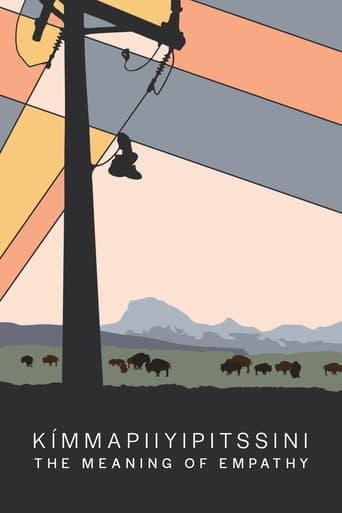
Follow filmmaker Elle-Máijá Tailfeathers as she creates an intimate portrait of her community and the impacts of the substance use and overdose epidemic. Witness the change brought by community members with substance-use disorder, first responders and medical professionals as they strive for harm reduction in the Kainai First Nation.
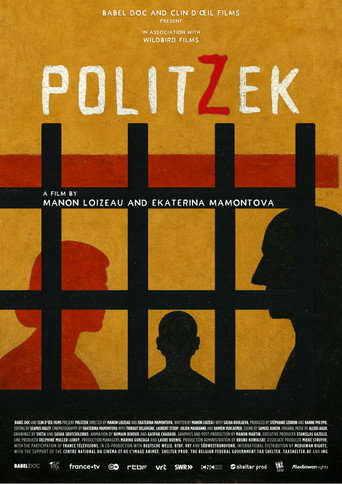
In Russia, criticizing the war in Ukraine or Vladimir Putin’s regime has become a crime. Thousands of ordinary citizens are being arrested, tried, and imprisoned. They are called “Politzek”: political prisoners. Filmed clandestinely over the course of more than a year, Politzek gives a platform to those who, despite the fear, continue to speak out against Putin’s repressive Russia. Through the intersecting stories of a teenager sentenced to five years in prison for criticizing the government on social media, a young artist jailed for placing anti-war stickers, a human rights activist, and two theater directors facing Kafkaesque trials, the film unveils the machinery of state repression in Russia. With rare footage, broken yet unyielding voices, this is a story of silenced resistance.
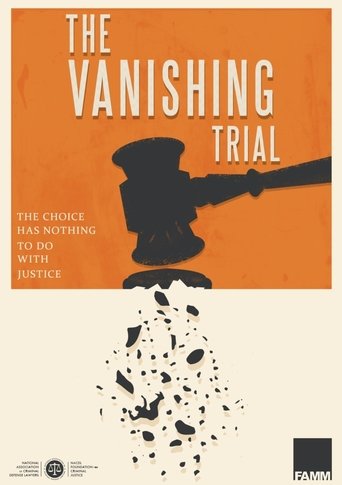
“The Vanishing Trial” looks into “trial penalty,” the term used to describe the substantially longer prison sentence a person receives if they exercise their constitutional right to trial instead of plead guilty. The documentary focuses on four individuals who were forced to make that excruciating choice.
Each year, every French citizen has a one in 1,300 chance of receiving a summons to jury service from the Ministry of Justice. Ten former jurors recall being selected, hearing evidence, deliberating, and reaching a verdict: an examination of our society’s civil duty to pass judgement on the most serious cases.
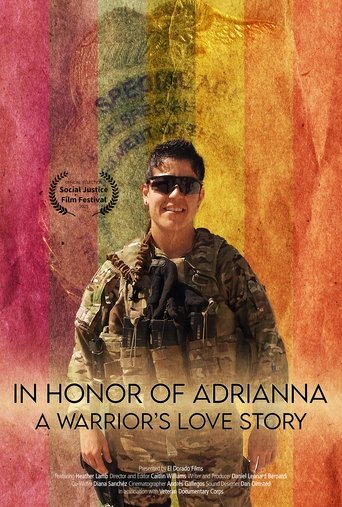
In this poignant film, the story unfolds through a heartfelt letter from a mother to her son, Jacob, reflecting on the loss of his other mother. Through flashbacks and the sharing of memories, we witness the love story between Adrianna, a dedicated OSI agent, and her wife, Heather, as they navigate the challenges of military life under the "Don't Ask, Don't Tell" policy. Despite the constant fear of exposure, their bond grows stronger. Adrianna's eventual deployment to Afghanistan, where she serves with valor, ends tragically, leaving her family to grapple with the devastating news. The narrative captures the enduring love and strength that Adrianna instilled in her family, her commitment to her duty, and the bittersweet reality of their shared dreams cut short. The film closes with a reflection on the end of America's military involvement in Afghanistan, juxtaposing personal loss with historical milestones, and a message of gratitude and resilience for the future.
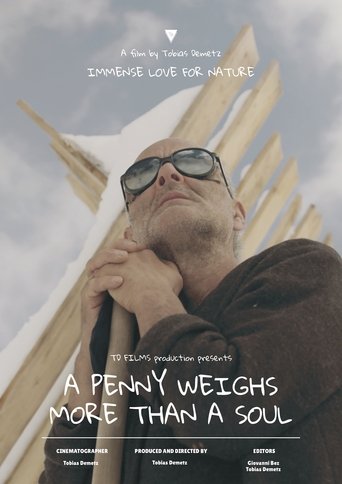
"A Penny Weighs More Than a Soul" is a powerful documentary by Tobias Demetz (TD Films) that takes viewers deep into the untouched nature of the Dolomites. The story centers on the extraordinary life of Ulrich Senoner, who lives far from modern civilization at the secluded Malga Futura. Without electricity or running water, he embodies a nearly forgotten human resilience. This film is a visual tribute to the silent strength of a man who chooses the wilderness over comfort, showcasing the fragile balance between Alpine tradition and a rapidly changing world.
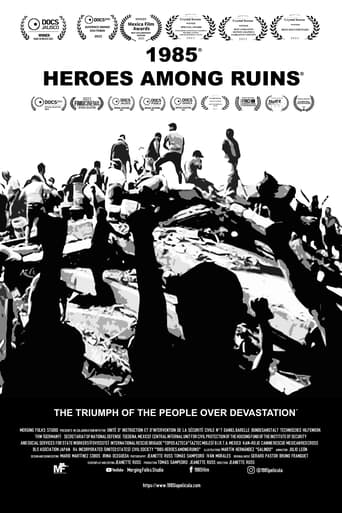
"1985: Heroes among Ruins" is a reflection of disaster. It is about the human solidarity, the search and rescue and the importance of civil protection, but above all, the triumph of the people over devastation during the earthquake of September 19, 1985 in Mexico City and the one ocurred in September 19, 2017.
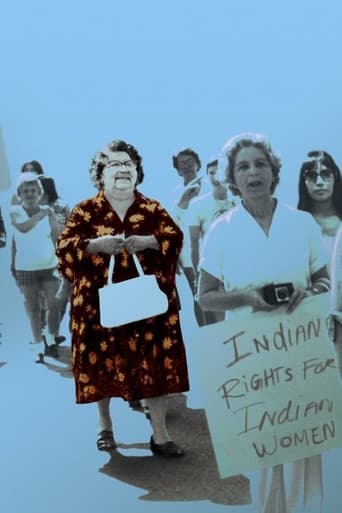
After marrying a settler, Mary Two-Axe Earley lost her legal status as a First Nations woman. Dedicating her life to activism, she campaigned to have First Nations women's rights restored and coordinated a movement that continues to this day. Kahnawake filmmaker Courtney Montour honours this inspiring leader while drawing attention to contemporary injustices that remain in this era of truth and reconciliation.
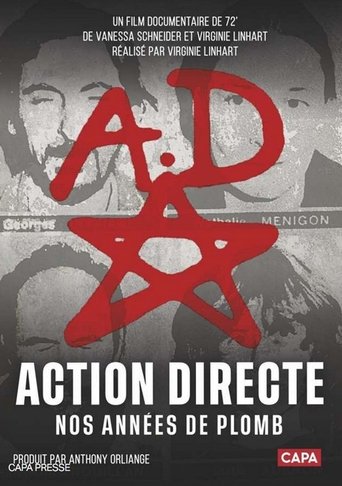
Between 1979 and 1987, a far-left group wreaked havoc across France. Robberies, bombings, assassinations. They struck hard and disappeared in a cloud of explosives, leaflets scattered in the wind, and relentless ideological demands. Their name? Action Directe. More than 80 attacks, 26 wounded, and 12 dead in less than ten years. Stunned French citizens discovered posters plastered everywhere showing portraits of these young women and men who looked like everyone else and whom nothing seemed to be able to stop. A long and intense manhunt began, culminating in the arrest of the group's leadership.