

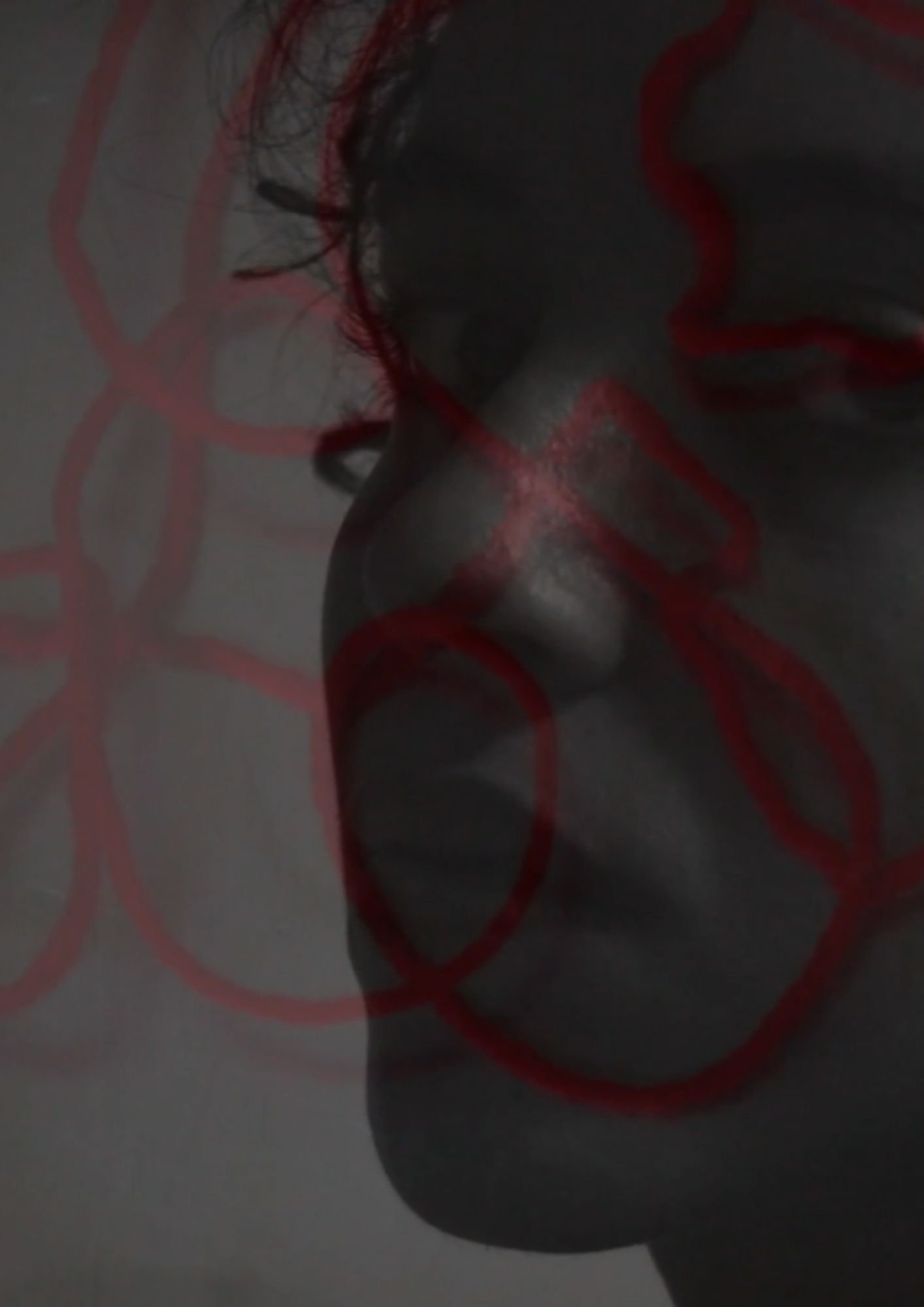
Te vejo de novo
Overview
A letter to what has gone before. And to what is to come.










Kely Nascimento
Kely Nascimento
Voz
Kely Nascimento
Voz

João Ives
João Ives
Mãos
João Ives
Mãos

Letícia Silva
Letícia Silva
Letícia Silva
Letícia Silva
Letícia Silva
Vinícius Dórea
Vinícius Dórea
Olhos
Vinícius Dórea
Olhos
Similar Movies
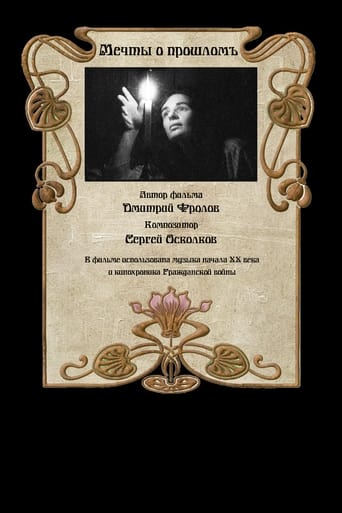
A film about peace, love and war. Dedicated to the 100th anniversary of the end of the Civil War in Russia. The film takes place at the end of the summer of 1917, when Russia and the whole world were at a crossroads between two eras. None of the people could even imagine how much his life would change in the very near future. In a strange way, the atmosphere of the film echoes our current reality and what is happening in Russia today. According to the form of visualization, the film belongs to experimental mockumentary cinema. To give greater authenticity to what is happening on the screen, the shooting was carried out on black-and-white negatives of 16 and 35 mm, hand-operated cameras were used and the material was developed in manual spiral tanks. The documentary chronicle of the Kolchak army of 1919 and the White army in the Far East of 1922 is embedded in the finale of the film.
Bang Bang Stefi! is an experimental film in Super 8 format that invites us on a dreamlike journey where reality and fiction dissolve. Barcelona and the desert become interchangeable landscapes; figures such as a lion, a child, and a group of wrestlers traverse a world of passion, intuitive gestures, and visual symbols pulsing between dream and memory.
In one of those wonderful coincidences of history, lumière, the French word for “light,” was also the last name of brothers Auguste and Louis, whose brilliant invention, the cinematograph, helped to inaugurate the most beloved art form of the last 130 years. Institute Lumière director Thierry Frémaux uses Lumière, Le Cinema! to guide the viewer through over a hundred shorts—some famous, some forgotten, some never before seen—directed by Lumière and company. In the process, Frémaux illuminates how the brothers employed the camera as a creative instrument as they (and their operators) mastered framing, staging, and subject selection for quotidian and exotic microdocumentaries as well as the first ever fictional motion pictures. The result is not only a glorious re(telling) of the genesis of cinema but a profound meditation on the beautiful world captured—and the mysterious world imagined—by the Lumières.