

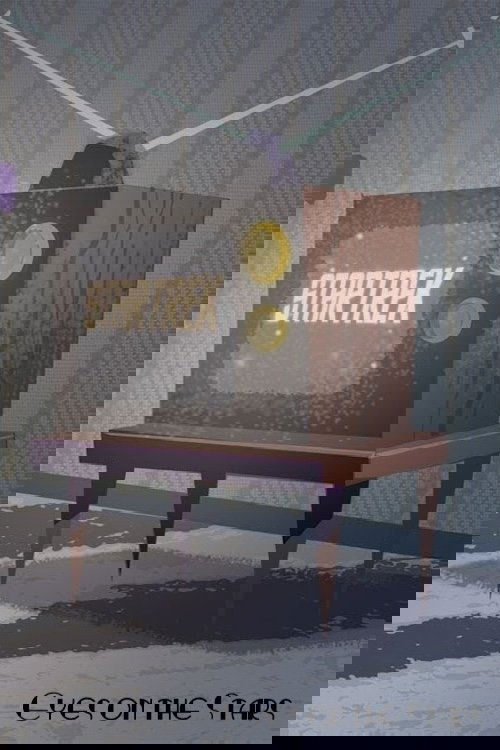
Storycorps: Eyes on the Stars
Animation · Documentary
Overview
On January 28, 1986, NASA Challenger mission STS-51-L ended in tragedy when the shuttle exploded 73 seconds after takeoff. On board was physicist Ronald E. McNair, the second African American to enter space. But first, he was a kid with big dreams in Lake City, South Carolina.







No cast information.
Similar Movies
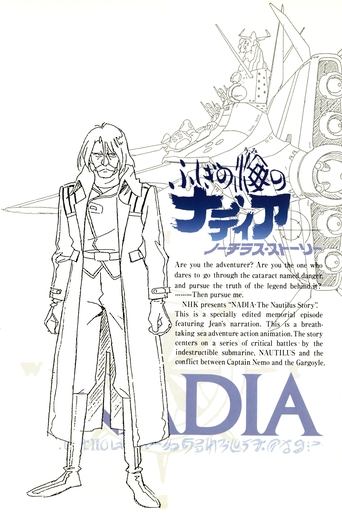
The second specially edited memorial episode featuring Jean’s narration. This is a breath-taking sea adventure action animation. The story centers on a series of critical battles by the indestructible submarine, Nautilus and the conflict between Captain Nemo and the Gargoyle. It’s a shorter, more streamlined version of Nadia called "The Nautilus Story", which all but eliminates the filler arc and concentrates on the struggle between Nemo and Gargoyle. Some scenes in the more pivotal episodes are cut as well. The compilation series was made by Hideaki Anno, who was said to have been dissatisfied with the final result of the TV show. The Nautilus Story was only released in Japan on VHS and laserdisc.
The third and final specially edited memorial episode featuring Jean’s narration. This is a breath-taking sea adventure action animation. The story centers on a series of critical battles by the indestructible submarine, Nautilus and the conflict between Captain Nemo and the Gargoyle. It’s a shorter, more streamlined version of Nadia called "The Nautilus Story", which all but eliminates the filler arc and concentrates on the struggle between Nemo and Gargoyle. Some scenes in the more pivotal episodes are cut as well. The compilation series was made by Hideaki Anno, who was said to have been dissatisfied with the final result of the TV show. The Nautilus Story was only released in Japan on VHS and laserdisc.
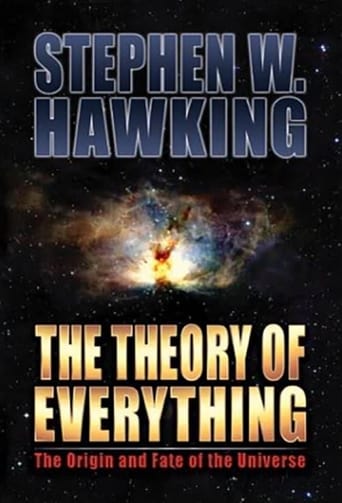
Twenty years after A Brief History of Time flummoxed the world with its big numbers and black holes, its author, Stephen Hawking, concedes that the "ultimate theory" he'd believed to be imminent - which would conclusively explain the origins of life, the universe and everything - remains frustratingly elusive. Yet despite his failing health and the seeming impossibility of the task, Hawking is still devoted to his work; an extraordinary drive that's captured here in fleeting interview snippets and footage of the scientist sharing a microwave dinner with some fawning PhD students. Though the pop-science tutorials that dapple the first of this two-part biography are winningly perky, Hawking, alas, remains as tricky to fathom as his boggling quantum whatnots