

The Gate of the Sun
War · Romance · Drama
Overview
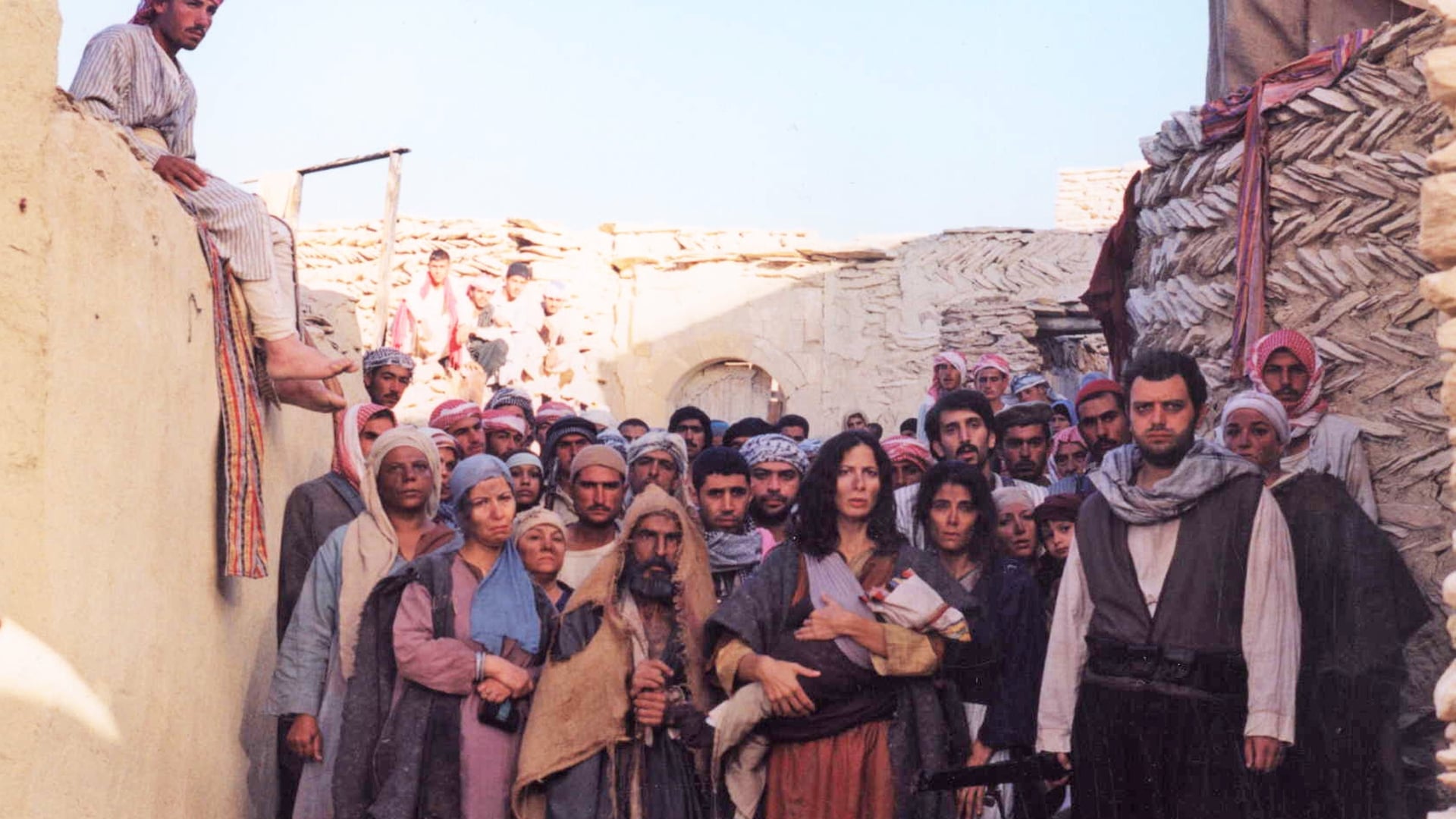
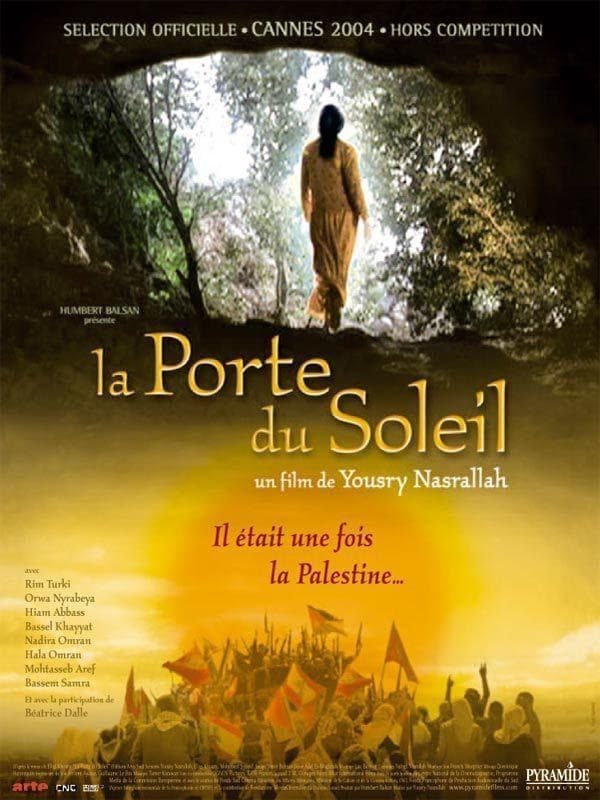
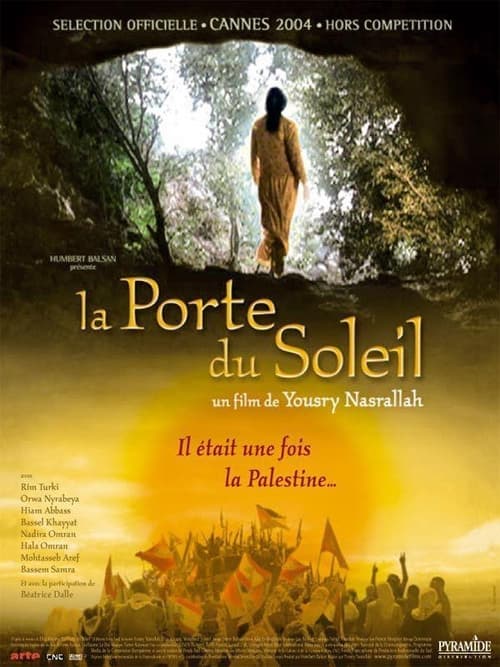
Yousry Nasrallah's powerful adaptation of Lebanese writer Elias Khoury's epic novel of fifty years of Palestinian dispossession, exile, and resistance. The film follows the flight of Younes, his wife Nahila, and those around them, from their village in northern Palestine to a refugee camp in Lebanon. Some vow to continue the struggle, most simply struggle to survive. Unsparingly detailing the impact of the nakba (disaster) on Palestinian life and society and the refugees' often-contentious relationship with their reluctant Lebanese hosts, Gate of the Sun spans generations, mixing personal stories with historical events.









Hiam Abbass
Hiam Abbass
Um Youness
Hiam Abbass
Um Youness

Rim Turkhi
Rim Turkhi
Nahila
Rim Turkhi
Nahila

Béatrice Dalle
Béatrice Dalle
Catherine
Béatrice Dalle
Catherine
Orwa Nyrabia
Orwa Nyrabia
Youness
Orwa Nyrabia
Youness

Bassem Samra
Bassem Samra
Interrogateur
Bassem Samra
Interrogateur

Darina Al Joundi
Darina Al Joundi
Femme fantôme
Darina Al Joundi
Femme fantôme
Hussein Abou Seada
Hussein Abou Seada
Colonel Mehdi
Hussein Abou Seada
Colonel Mehdi

Fadi Abi Samra
Fadi Abi Samra
Dr. Amgad
Fadi Abi Samra
Dr. Amgad
Ahmad Al Ahmad
Ahmad Al Ahmad
Adnan
Ahmad Al Ahmad
Adnan
Antoine Balabane
Antoine Balabane
Georges
Antoine Balabane
Georges
Similar Movies
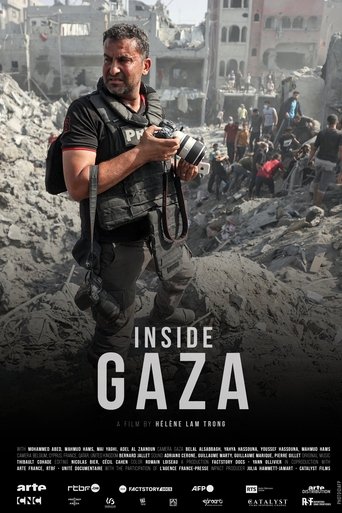
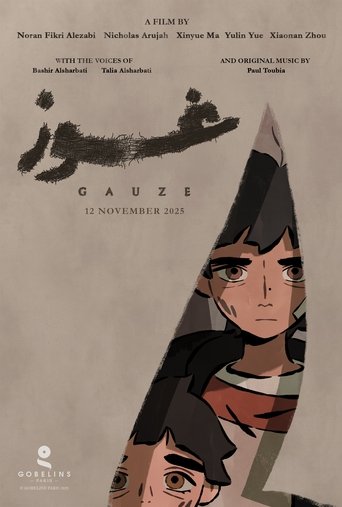
In the midst of the war in Gaza, 5-year-old Hind Rajab and her family seek safety. To escape reality, they dance to loud music in the car. Their flight is abruptly stopped by an Israeli tank that opens fire without warning. Trapped in the car, surrounded by tanks, the girls try to hold on. They comfort each other and dream out loud about a future that seems increasingly distant. They keep in touch with the emergency services, who promise to rescue them as soon as the army gives permission. What began as a search for safety ends in a tragedy that exposes the core of the war.
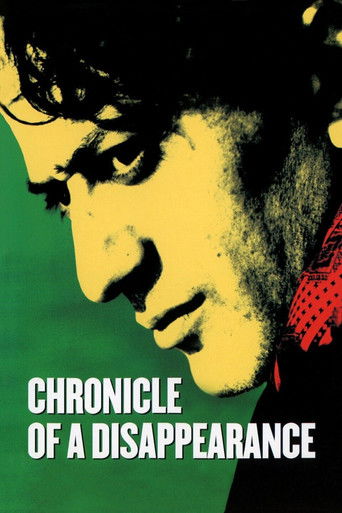
An examination of the creation of the state of Israel in 1948 through to the present day. A semi-biographic film, in four chapters, about a family spanning from 1948 until recent times. Combined with intimate memories of each member, the film attempts to portray the daily life of those Palestinians who remained in their land and were labelled "Israeli-Arabs," living as a minority in their own homeland.
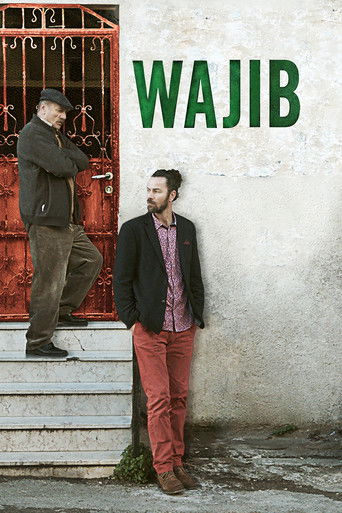
After years abroad in Italy, Shadi returns to his native Nazareth. But this is no spectacular homecoming. He's back somewhat begrudgingly to honour his "wajib" (or duty) to hand out invitations to his sister's wedding with his father. The simmering tension between the two — who are often stuck in a car, more often than not in traffic — builds, exposing the sometimes-comic chasms that exist between men who live in different worlds but share an unshakable bond.

The Tank and The Olive Tree recalls a certain number of forgotten fundamentals and sheds new light on the history of Palestine. By combining geopolitical analysis, interviews with international personalities who are experts on the subject and testimonies from Palestinian and French citizens, this documentary offers the keys to understanding what the media call the Israeli-Palestinian conflict. Enough to rid people's minds of clichés and prejudices! If The Chariot and the Olivier is intended to be educational, it speaks above all of a magnificent territory, and of a people who constantly affirm that “to live is already to resist”...
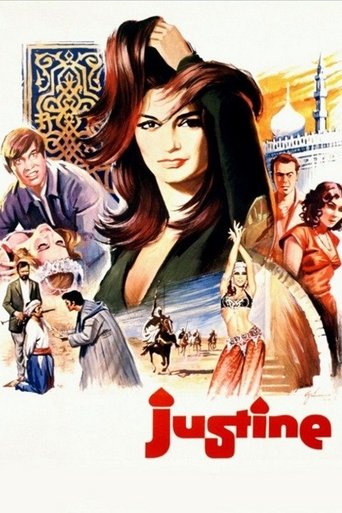
In Alexandria, in 1938, Darley, a young British schoolmaster and poet, makes friends through Pursewarden, the British consular officer, with Justine, the beautiful and mysterious wife of a Coptic banker. He observes the affairs of her heart and incidentally discovers that she is involved in a plot against the British, meant to arm the Jewish underground in Palestine. The plot finally fails, Justine is sent to jail and Darley decides to return to England.
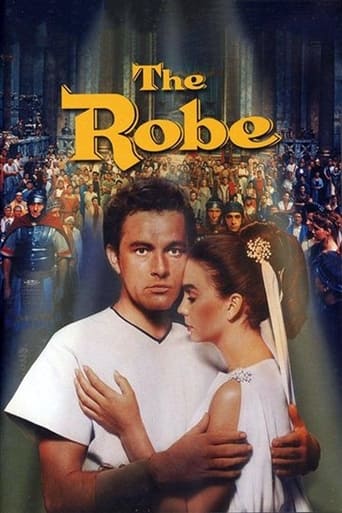
Drunk and disillusioned Roman, Marcellus Gallio, wins Jesus' robe in a dice game after the crucifixion. Marcellus has never been a man of faith like his slave, Demetrius, but when Demetrius escapes with the robe, Marcellus experiences disturbing visions and feels guilty for his actions. Convinced that destroying the robe will cure him, Marcellus sets out to find Demetrius — and discovers his Christian faith along the way.