

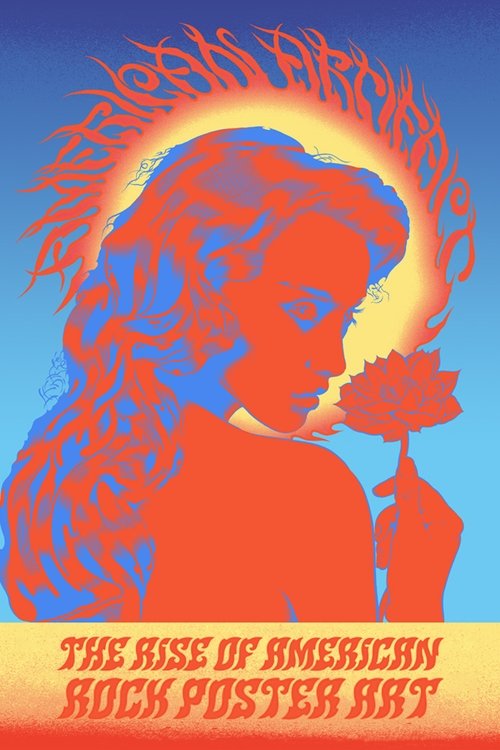
American Artifact: The Rise of American Rock Poster Art
Documentary · Music · History
Overview
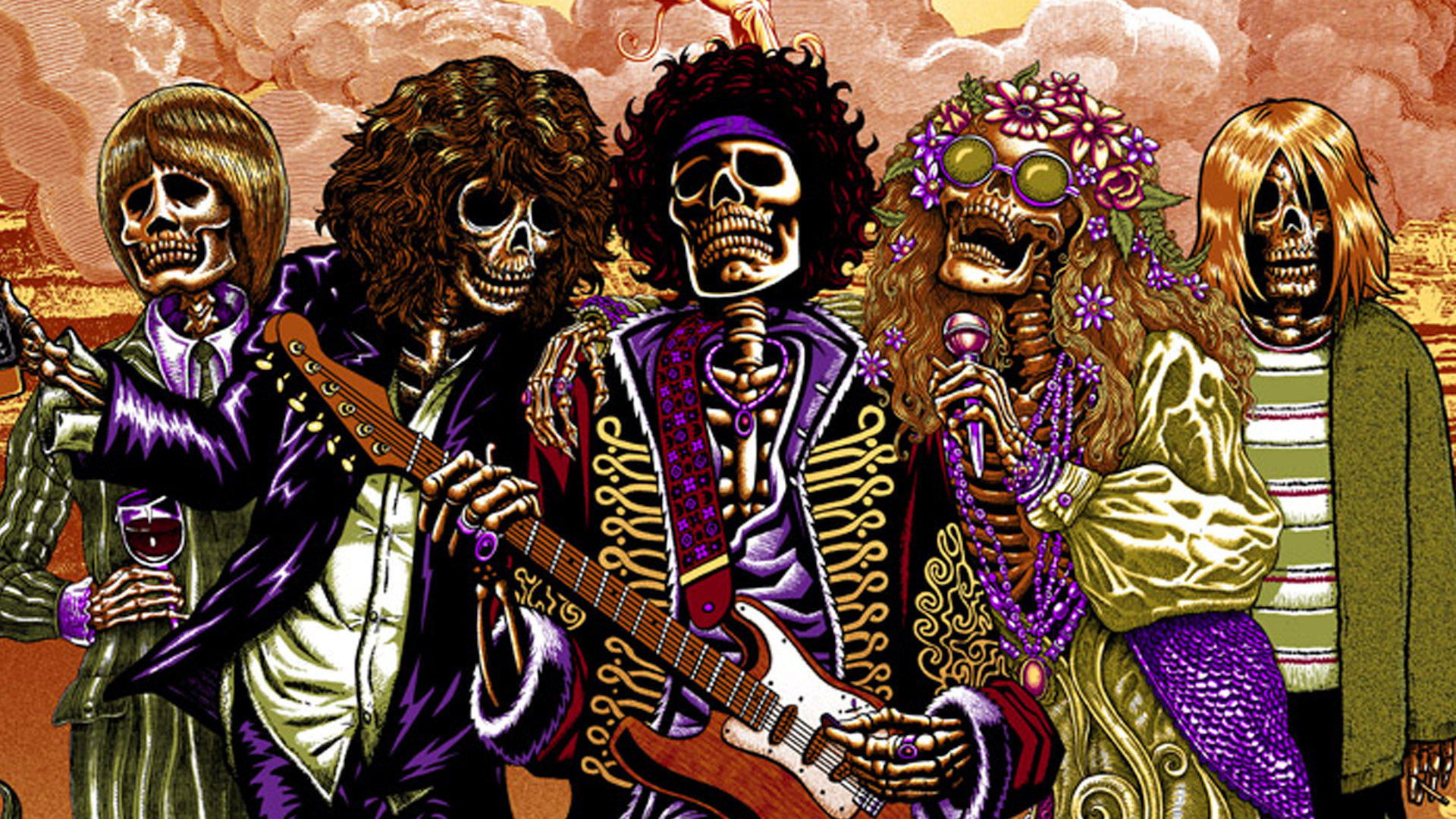
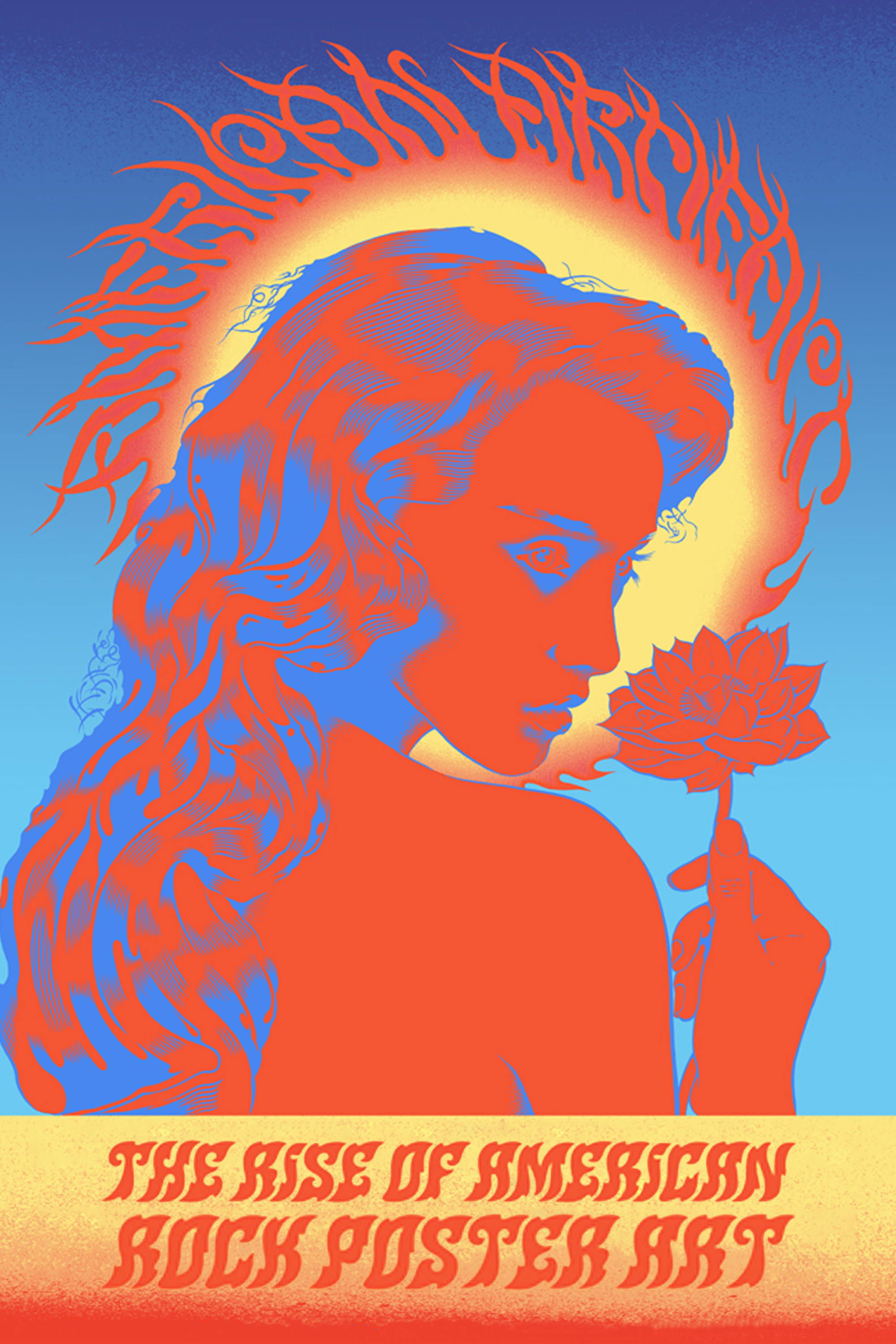
American Artifact chronicles the rise of American rock poster art since it's birth in the'60s. Award-winning director, Merle Becker crosses the country interviewing the rock poster artists from the different eras to discover that America is currently in the midst of a 21st century "rock poster art movement", where thousands of artists around the country are doing silk screened rock poster art inspired by their local scene, the music of our time, and the spirit of our era.

Art Chantry
Art Chantry
Self
Art Chantry
Self
Frank Kozik
Frank Kozik
Self
Frank Kozik
Self
Coop
Coop
Self
Coop
Self
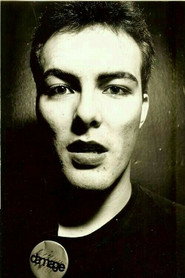
Jello Biafra
Jello Biafra
Self
Jello Biafra
Self
Rick Griffin
Rick Griffin
Self
Rick Griffin
Self
Victor Moscoso
Victor Moscoso
Self
Victor Moscoso
Self
Penelope Houston
Penelope Houston
Self
Penelope Houston
Self
Tara McPherson
Tara McPherson
Self
Tara McPherson
Self

Robert Williams
Robert Williams
Self
Robert Williams
Self
Similar Movies
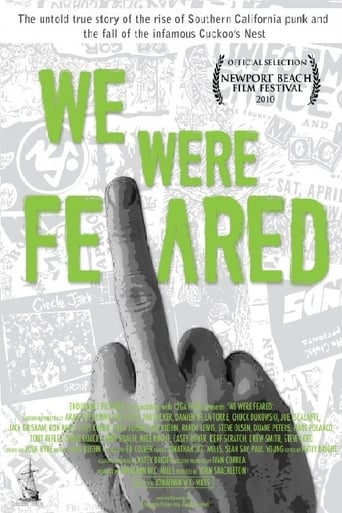
We Were Feared chronicles the rise and fall of the Cuckoo's Nest punk rock club. Hailed as the birthplace of slam-dancing, the Nest famously shared a parking lot with a cowboy bar and the mayhem that would ensue when both clubs emptied was immortalized in the Vandals' songs “The Legend of Pat Brown” and “Urban Struggle.” Featuring interviews with the people who populated the scene, archival images of gigs, and live performances by Black Flag, the Circle Jerks, & T.S.O.L.
Documentary about punk band Heavy Load, subject to the combustible flux of ego, ambition, fantasy, expectation and desire that fuels any emerging band, but uniquely made up of musicians with and without learning disabilities. This makes the band's survival a precarious negotiation between two different worlds - on the one hand the institutional timetable of day centres, work placements and social workers and, on the other, the chaotic slacker life of rehearsal rooms, studios and gigs. (Storyville)
Stuck in a creative rut, filmmaker Gilda Pourjabar returns to Iran, her homeland, to talk with her brother Siamak, an illustrator based in Tehran. This encounter raises questions about their relationship to Western popular art, as they grew up in a culture that the current political regime describes as “westoxicated.” This documentary uses playful animations by Siamak, inspired by Franco-Belgian comics and rock concert posters, superimposed on archival footage of the most recent popular uprisings in Iran to become a logical collaboration for these artists who shared a record collection as children. Together, they examine how art slips through the cracks of repression to light the rebellious sparks in the hearts of young people.
The decision to move to Holland doesn't sound like a wise idea. Why move to a country that could be flooded at any moment? For the last 25 years, the political climate has shifted. The public debate on migration has become harsher, more heated, and polarized. What would have been considered right-wing xenophobia back then, is now considered mainstream. Populists simplify complex realities into good and evil, victims and perpetrators: ‘us’ versus ‘them’. Their rhetoric often consists of dehumanizing words and metaphors. One of these is ‘water’. In reality, water is not an immediate threat to the average Dutch person; but it is a huge threat to the thousands trying to reach the Netherlands. People trying to survive the Mediterranean Sea in rubber boats. Trying to survive winter on the Aegean coast in primitive tents. To them, water really is deadly.
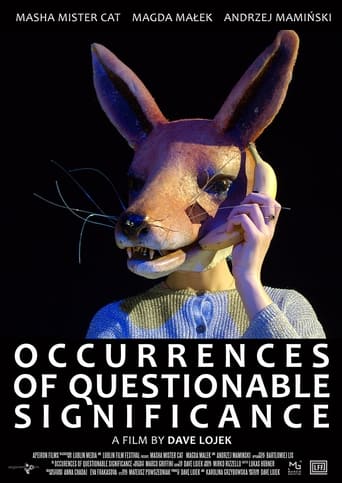
When forest animals invade our cities, the world is in disarray. Office vixen Fiona struggles with her banana phone addiction. Will she succumb to it? Temperamental bunny Barbara only gives her stag sugar daddy Nestor his special massage, after he dines her and plays the big spender. This obscure short film pinpoints postmodern tropes of consumerism, eroticism, and art with an homage to the theater stage and references to literature. This work uses a fantasy language and needs no subtitles.
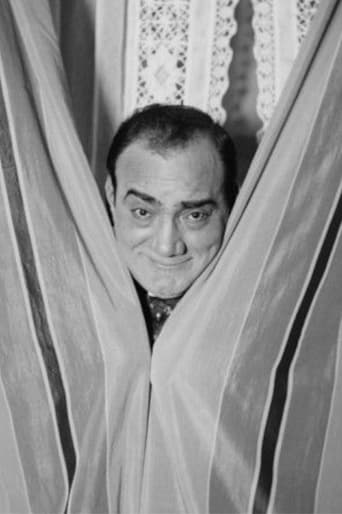
Born in 1873 in a poor neighbourhood in Naples, Enrico Caruso conquered the world with his singing voice. At the age of 27 he got a contract at the Scala in Milan, and his already considerable popularity skyrocketed thanks to the invention of the gramophone. He sold millions of records, and garnered international acclaim. In 1903 he moved to New York to perform at the prestigious Metropolitan Opera, in the role of Radames. But his riches and fame attracted the attention of the Mafia, who started blackmailing him. He felt trapped by his fame and died at just 48 years old. Biographer Francesco Canessa, the music critic Jürgen Kesting and the composer Micha Hamel explain the ups and downs of the man behind the timeless Italian voice.
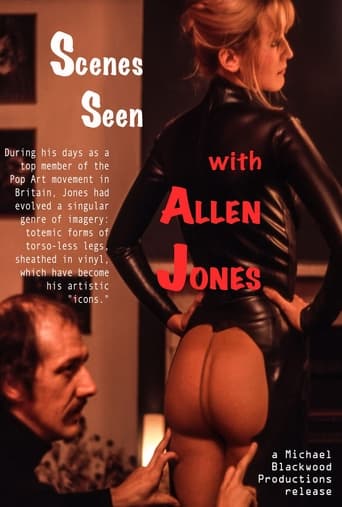
Scenes Seen with Allen Jones explores the motive of the artist's famed graphic works,, paintings and sculptures. The erotic overtones of Jones's work are both controversial and exciting, drawing the public's attention towards a new sector of the avant-garde. Jones is introduced in his London studio, where he is developing an idea for a new painting as he meticulously studies his model. During his days as a top member of the Pop Art movement in Britain, Jones evolved a singular genre of imagery: totemic forms of torso-less legs, sheathed in vinyl, which have become his artistic "signature."