

Party! Party! Party! – Der lange Tanz des Techno
Documentary
Overview
A documentary about the rave and techno scene of the 90s. Back then, this emerging youth scene was still unfamiliar to most people and difficult to categorize.



Sven Väth
Sven Väth
Self
Sven Väth
Self

Carl Cox
Carl Cox
Self
Carl Cox
Self
Henner Stang
Henner Stang
Self
Henner Stang
Self

Norbert Bolz
Norbert Bolz
Self
Norbert Bolz
Self
Jürgen Laarmann
Jürgen Laarmann
Self
Jürgen Laarmann
Self
Juan Atkins
Juan Atkins
Self
Juan Atkins
Self
Marusha
Marusha
Self
Marusha
Self
Dietmar-Maria Hegemann
Dietmar-Maria Hegemann
Self
Dietmar-Maria Hegemann
Self

WestBam
WestBam
Self
WestBam
Self
Alexander Branczyk
Alexander Branczyk
Self
Alexander Branczyk
Self
Similar Movies

The film follows the inception of the movement, a meeting between ravers and the new age travellers during Thatcher's last days in power, and the explosive years that followed, leading up the infamous Castlemorton free festival in 1992 - the largest ever illegal rave, which provoked the drastic change of the laws of trespass with the notorious introduction of the Criminal Justice Act in 1994.
Rave Culture is one of Britain’s great cultural exports, but after its first wave in the late eighties and early nineties, it was soon forced into the underground by stringent new laws and superclubs. But forward 25 years into in the midst of a nationwide purge on the nation’s nightlife, where nearly half of all British clubs have shut down in the last decade, and a new kind of scene has emerged. Clive Martin investigates this 21st century version of Rave, where young people break into disused spaces with the help of bolt-cutters and complicated squatting laws, to suck on balloons and go hard into the early morning. But with the police using increasingly extreme tactics to clamp down on these parties, and more than one fatality causing nationwide media panic, can the scene survive?

Award-winning war photographer Rita Leistner goes back to her roots as a tree planter in the wilderness of British Columbia, offering an inside take on the grueling, sometimes fun and always life-changing experience of restoring Canada’s forests. Leistner, who has photographed some of the world’s most dangerous places, credits the challenge of tree-planting for her physical and mental endurance. In Forest for the Trees, her first feature film, she revisits her past to share the lessons she learned. The film introduces us to everyday life on the “cut-block” and the brave souls who fight through rough terrains and work endless hours to bring our forests to life. The rugged BC landscape comes to life magically in Leistner’s photography, while the quirky characters and nuggets of wisdom shared around the campfire tell a sincere story of community.
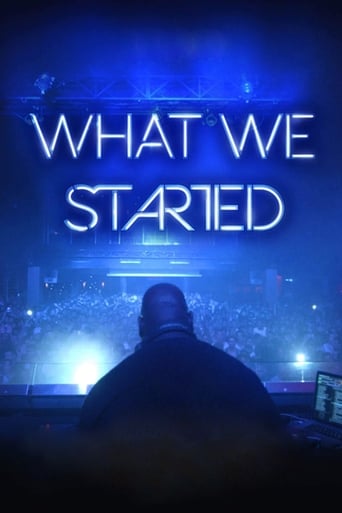
Bert Marcus and Cyrus Saidi present an informed and absorbing exploration of the history of EDM, boosted by an energetic soundtrack and anchored by the personal stories of legendary DJ Carl Cox and superstar newcomer Martin Garrix. Insights from numerous other DJs and musical talents like Moby, David Guetta, Paul Oakenfold and Usher help tell the often oppositional tales of old school vs. new school and mainstream vs. underground.
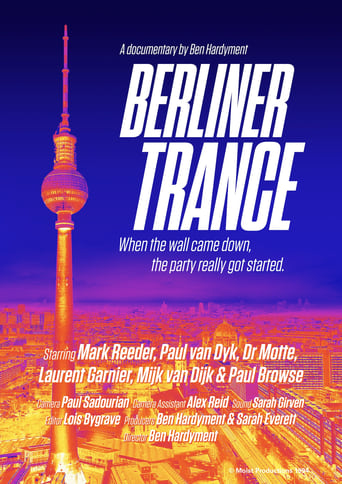
This lost classic, shot on 16mm in a wintry Berlin in 1993, explores the origins of the German trance scene. Featuring interviews with fresh-faced selectors including Laurent Garnier and MFS Records founder Mark Reeder, the documentary also feature footage from the city's iconic Love Parades in 1991 and 1993.

Roma Illegale talks about the birth and evolution of the rave party scene in Rome through the 90s. It describes the introduction of techno music in the Italian squat scene and the politicisation of parties, the implementation of the TAZ concept in raves with the reproportion of abandoned spaces, the way awareness was increased into the suburban youth generally indoctrinated by neofascism.
Street art, creativity and revolution collide in this beautifully shot film about art’s ability to create change. The story opens on the politically charged Thailand/Burma border at the first school teaching street art as a form of non-violent struggle. The film follows two young girls (Romi & Yi-Yi) who have escaped 50 years of civil war in Burma to pursue an arts education in Thailand. Under the threat of imprisonment and torture, the girls use spray paint and stencils to create images in public spaces to let people know the truth behind Burma's transition toward "artificial democracy." Eighty-two hundred miles away, artist Shepard Fairey is painting a 30’ mural of a Burmese monk for the same reasons and in support of the students' struggle in Burma. As these stories are inter-cut, the film connects these seemingly unrelated characters around the concept of using art as a weapon for change.