

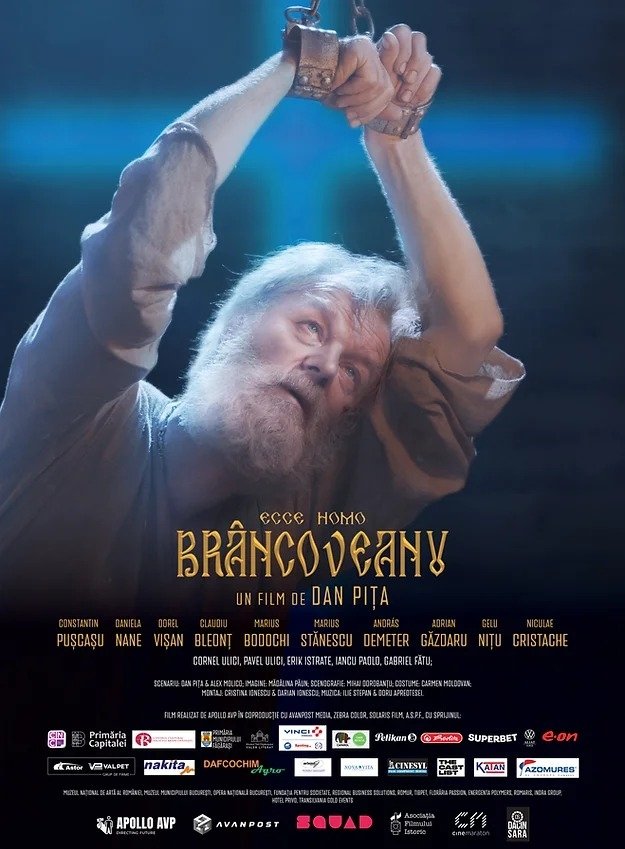
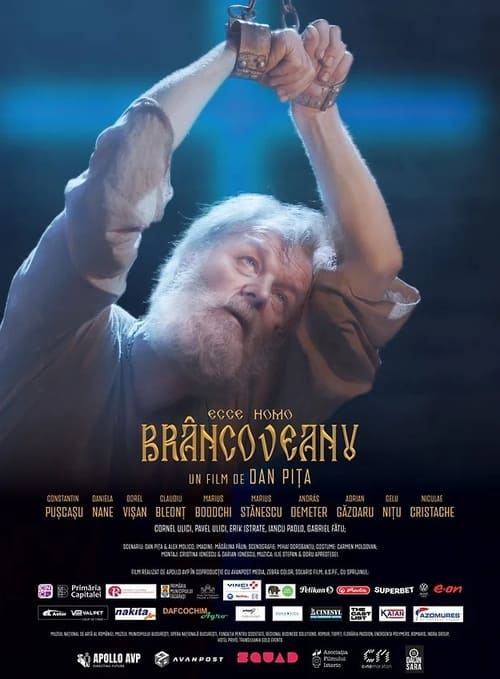
Ecce Homo Brâncoveanu
History · Drama
Overview
A parable about honor and true character, inspired by the reality of the 18th century. Constantin Brâncoveanu preferred to be beheaded in Constantinople alongside his four sons - Constantin, Stefan, Radu, and Matei - as well as by his counselor Ianache Vacarescu, instead of renouncing the Christian faith.
Top Cast

Constantin Pușcașu
Constantin Brâncoveanu
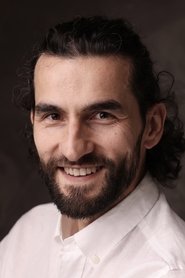
Corneliu Ulici
Printul Constantin

Pavel Ulici
Printul Stefan
Iancu Paulo
Printul Radu
Erik Istrate
Printul Matei

Alma Boiangiu
Stanca Brâncoveanu

Dorel Vișan
Stolnicul Cantacuzino

Daniela Nane
Doamna Maria

Claudiu Bleonţ
Anton-Maria Del Chiaro

Marius Bodochi
Sultanul Ahmed III

Nicolae Cristache
Antim Ivireanul
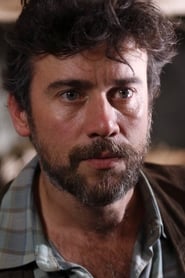
András Istvan Demeter
Imbrohorul





Constantin Pușcașu
Constantin Pușcașu
Constantin Brâncoveanu
Constantin Pușcașu
Constantin Brâncoveanu
Corneliu Ulici
Corneliu Ulici
Printul Constantin
Corneliu Ulici
Printul Constantin
Pavel Ulici
Pavel Ulici
Printul Stefan
Pavel Ulici
Printul Stefan
Iancu Paulo
Iancu Paulo
Printul Radu
Iancu Paulo
Printul Radu
Erik Istrate
Erik Istrate
Printul Matei
Erik Istrate
Printul Matei
Alma Boiangiu
Alma Boiangiu
Stanca Brâncoveanu
Alma Boiangiu
Stanca Brâncoveanu
Dorel Vișan
Dorel Vișan
Stolnicul Cantacuzino
Dorel Vișan
Stolnicul Cantacuzino
Daniela Nane
Daniela Nane
Doamna Maria
Daniela Nane
Doamna Maria
Claudiu Bleonţ
Claudiu Bleonţ
Anton-Maria Del Chiaro
Claudiu Bleonţ
Anton-Maria Del Chiaro
Marius Bodochi
Marius Bodochi
Sultanul Ahmed III
Marius Bodochi
Sultanul Ahmed III
Similar Movies
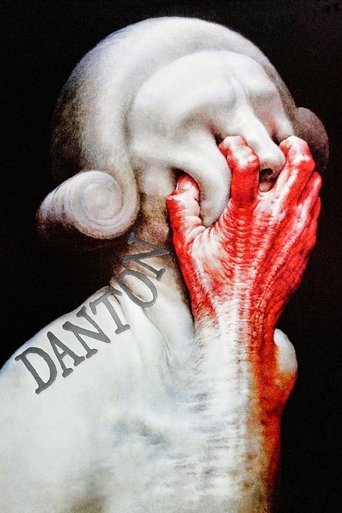
Danton and Robespierre were close friends and fought together in the French Revolution, but by 1793 Robespierre was France's ruler, determined to wipe out opposition with a series of mass executions that became known as the Reign of Terror. Danton, well known as a spokesman of the people, had been living in relative solitude in the French countryside, but he returned to Paris to challenge Robespierre's violent rule and call for the people to demand their rights. Robespierre, however, could not accept such a challenge, even from a friend and colleague, and he blocked out a plan for the capture and execution of Danton and his allies.

A history of the French Revolution beginning from the decision of the king to convene the Etats-Generaux in 1789 in order to deal with France's debt problem. Part one spans the event until August 10, 1792 (when the King Louis XVI lost all authority and was imprisoned). Part two carries the story through the end of the terror in 1794.
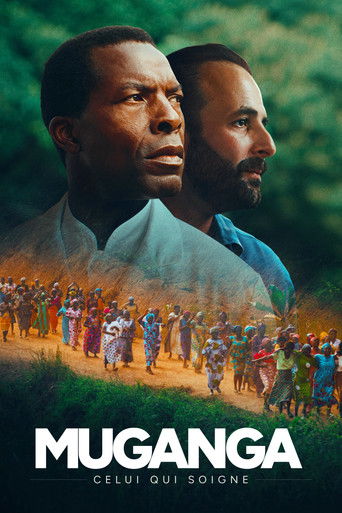
Denis Mukwege, a Congolese doctor, pastor and future Nobel Peace Prize laureate, meets Guy Cadière, a Belgian surgeon and atheist. Despite their differences, they unite for a common purpose: to restore the bodies and dignity of thousands of women who have been used as weapons of war in the eastern Democratic Republic of Congo.
The beautiful and sophisticated Hedda Gabler has found a comfortable but mundane arrangement with her life – a successful, compliant husband, a large house, and an affiliation with the upper crust of society - when suddenly, after years of absence, a wild and tempestuous ex-lover reappears on her doorstep, threatening to destroy her new life.
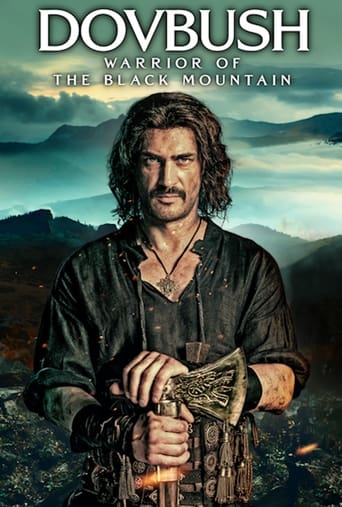
In the early eighteenth century, foreign rule means dark times for the Hutsuls of the Carpathians. The two Dovbush brothers become opryshkos - mountain outlaws. But the two brothers become enemies - one cares only about money, the other - Oleksa - fights for his people. The Carpathians are convulsed with a wave of uprisings. The aristocracy uses its military might to try to kill Dovbush and destroy his legend. But Dovbush outwits them. The desperate lords devise a devious plan and attack the invincible outlaw's Achilles heel - his love for his childhood sweetheart, Marichka. Who will be the assassin to attack the Opryshko whose immense strength and bravery inspired folk tales? Will the lords' treacherous plan destroy the hero before he can lead his people to freedom?
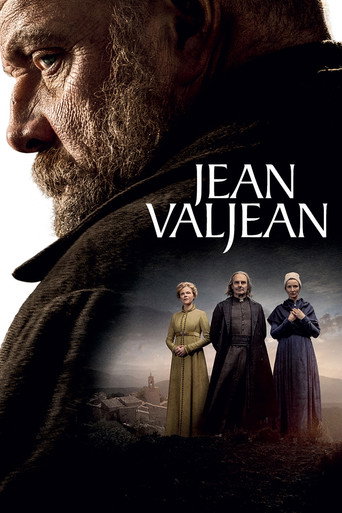
Jean Valjean is released from prison after nineteen years of hard labor, violence, and suffering. Filled with anger and a deep sense of injustice, he has become a dangerous man who trusts no one and nothing. When he arrives in a small village in Provence, he is repeatedly turned away. Desperate, he unknowingly finds refuge at the house of Bishop Bienvenu, who lives simply, with his sister and a single servant. There, he is surprised by their warm welcome, and his inner demons start to waver. But the temptation to be what society sees in him still haunts him, and he steals the Bishop’s silverware. When the police ultimately catches him, the Bishop forgives him and gifts him the candlesticks. This acts becomes the starting point of Jean Valjean’ transformation into a new man who reclaims his humanity.