


Drama · Music
Overview
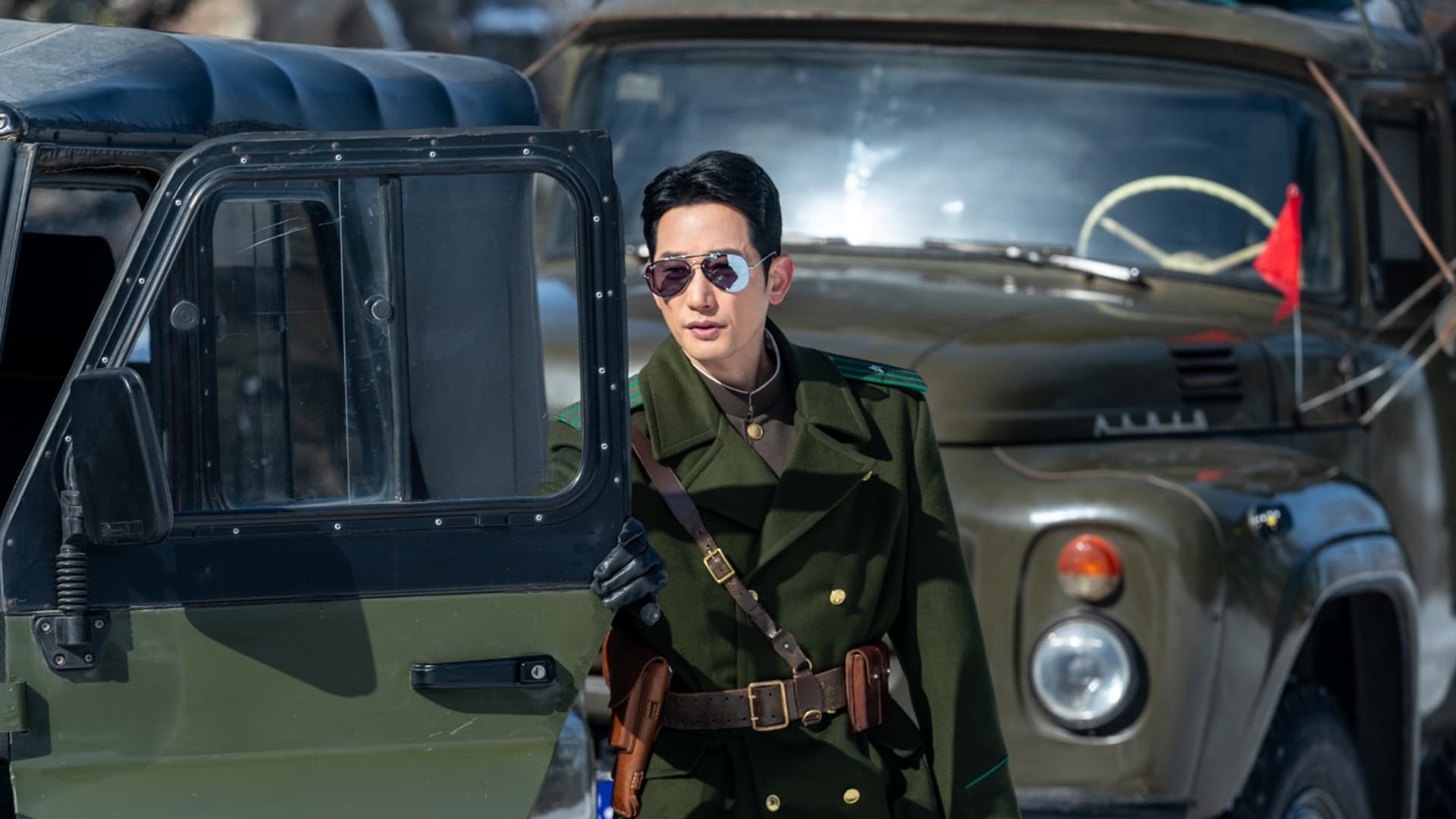
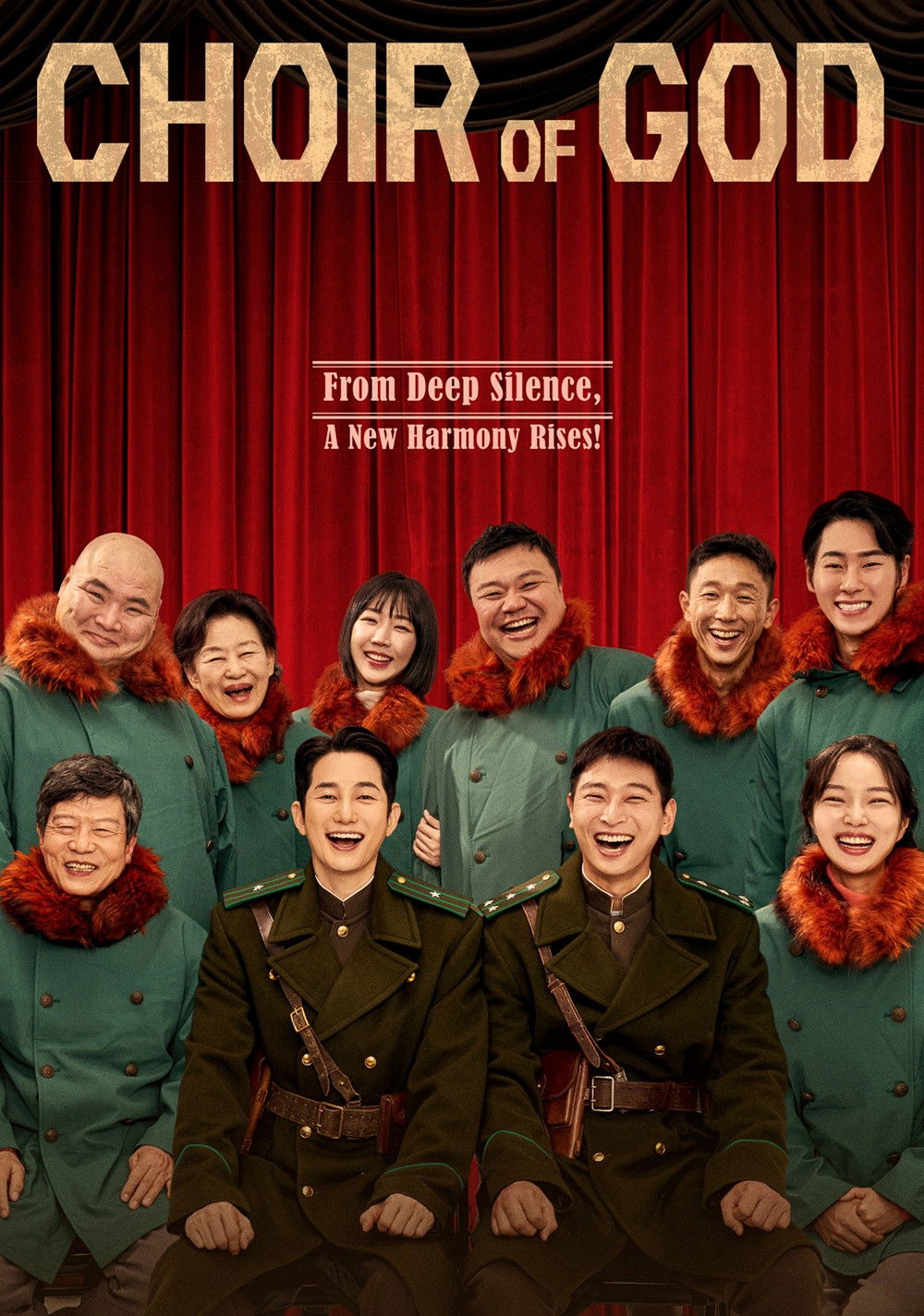
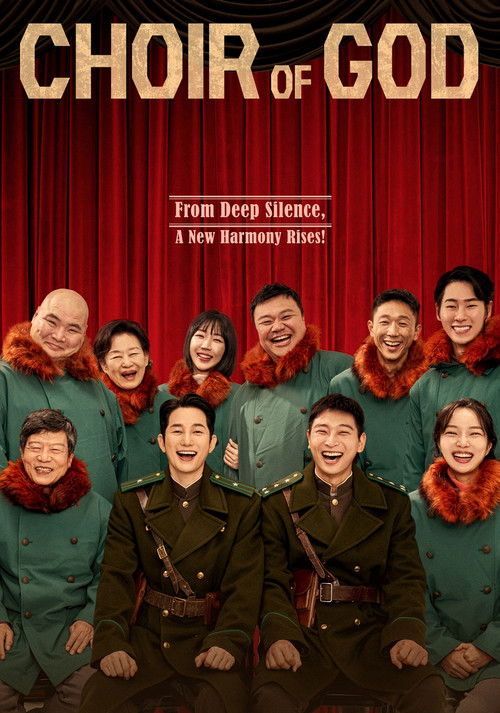
North Korea, facing international sanctions, seeks assistance from a Hungarian NGO to build churches in Pyongyang as a way to bypass the sanctions. The NGO proposes organizing a revival meeting with international Choir organizations, leading the Ministry of 5 Securities to apprehend believers. The "Victory Orchestra," a replacement ensemble, is actually composed of underground Choir members. As they sing hymns openly for the first time, their true identity as underground believers is revealed, creating moments of laughter, tears, and emotion.







Park Si-hoo
Park Si-hoo
Kyo-sun
Park Si-hoo
Kyo-sun

Jeong Jin-woon
Jeong Jin-woon
Captain Kim
Jeong Jin-woon
Captain Kim

Tae Hang-ho
Tae Hang-ho
Choir leader
Tae Hang-ho
Choir leader
Jang Ji-gun
Jang Ji-gun
Wang Gil-jo
Jang Ji-gun
Wang Gil-jo

Han Jung-wan
Han Jung-wan
Ri Man-su
Han Jung-wan
Ri Man-su
Ko Hye-jin
Ko Hye-jin
Ri Su-rim
Ko Hye-jin
Ri Su-rim
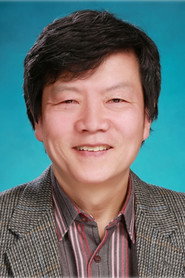
Moon Kyung-min
Moon Kyung-min
Oh Cheol-ho
Moon Kyung-min
Oh Cheol-ho
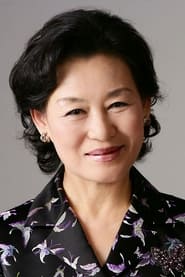
Choi Sun-ja
Choi Sun-ja
Yang Sun-ja
Choi Sun-ja
Yang Sun-ja
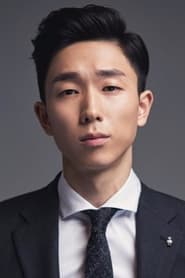
Nam Tae-hoon
Nam Tae-hoon
Kim Chang-su
Nam Tae-hoon
Kim Chang-su

Shin Han-kyeol
Shin Han-kyeol
Ri Jeong-hee
Shin Han-kyeol
Ri Jeong-hee
Similar Movies
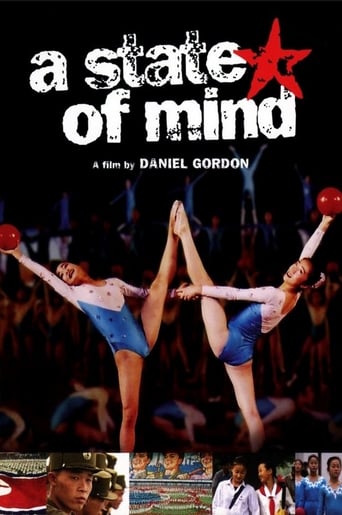
Two young North Korean gymnasts prepare for an unprecedented competition in this documentary that offers a rare look into the communist society and the daily lives of North Korean families. For more than eight months, film crews follow 13-year-old Pak Hyon Sun and 11-year-old Kim Song Yun and their families as the girls train for the Mass Games, a spectacular nationalist celebration.
Young-ho, an Ethnic-Korean living in Japan, decides to close the pachinko parlor that he has operated with his mother Kyung-ja for 50 years along National Route 7 in Akita Prefecture, Japan. When he invites his mother on an overseas trip to celebrate her retirement, she expresses her desire to visit Niigata instead of going abroad.
Sung-geun is an untalented actor who makes a living playing minor roles. He happens to land on the role as Kim Il-sung, the former leader of North Korea, for the rehearsal of the South-North Korea Summit. Sung-geun becomes passionately immersed in his role, motivated by his son who looks up to him. However, the summit is not realized, and Sung-geun ends up lost in the delusion that he really is Kim Il-sung.
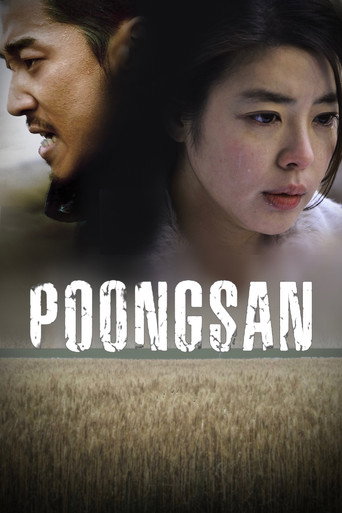
Poongsan has the unenviable - and death-defying - job of delivering messages across the North and South Korean border to separated families. When South Korean government agents ask him to smuggle in In-ok, the lover of a high-ranking North Korean defector, into the South, the damsel and rescuer fall in love instead.
In 1951 ceasefire is declared, but two remaining armies fought their final battle on the front line Towards the end of the Korean War, a South Korean battalion is fiercely battling over a hill on the front line border against the North in order to capture a strategic point that would determine the new border between two nations. The ownership of this small patch of land would swap multiple times each day. Kang is dispatched to the front line in order to investigate the tacit case that’s been happening there.
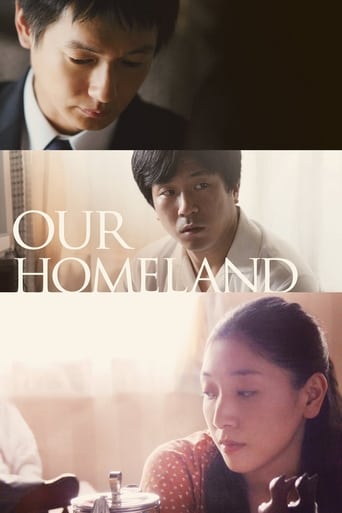
From the late 1950s through the '70s, more than 90,000 of the ethnic Koreans in Japan emigrated to North Korea, a country that promised them affluence, justice, and an end to discrimination. KAZOKU NO KUNI tells the story of one of their number, who returns for just a short period. For the first time in 25 years, Sonho is reunited with his family in Tokyo after being allowed to undergo an operation there. Sonho’s younger sister Rie is at the centre of the film, and is not hard to recognise as the director’s alter-ego. In her documentaries DEAR PYONGYANG and SONA, THE OTHER MYSELF, Yang Yonghi told the story of her own life, and how, at age six, she experienced the departure of her three older brothers, who left their family for Pyongyang.