

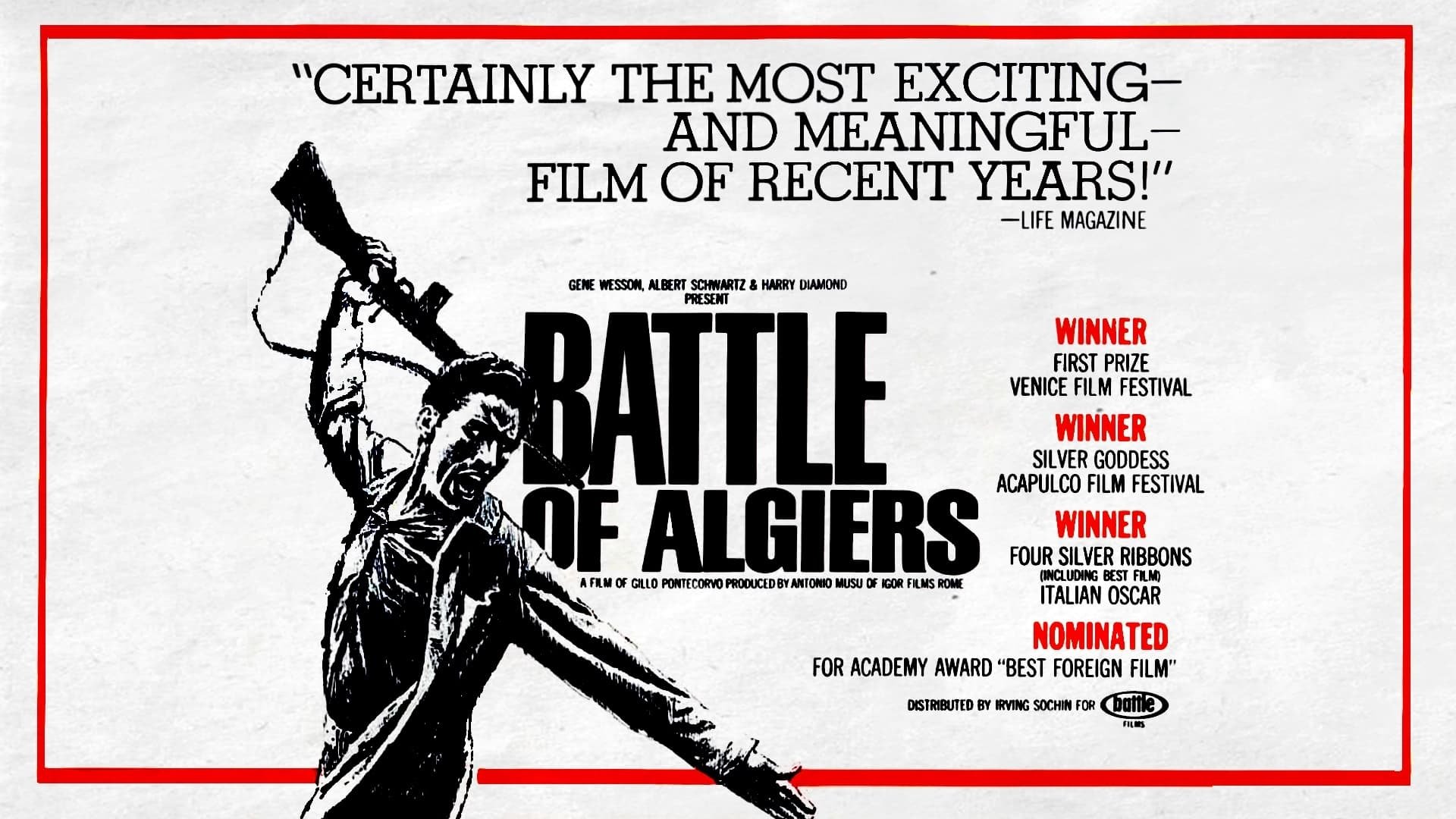
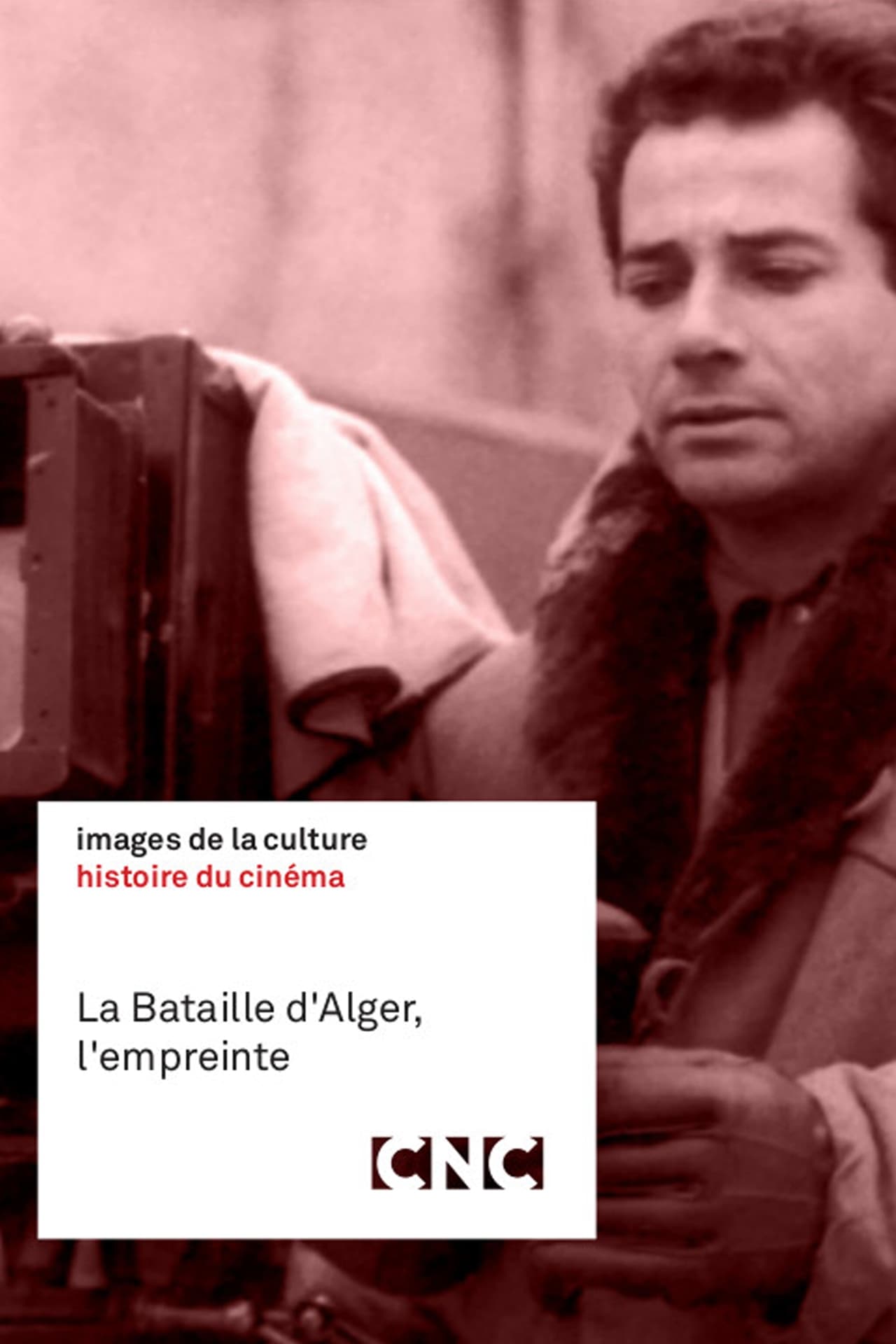
La Bataille d'Alger, l'empreinte
Documentary
Overview
Cheikh Djemaï looks back on the genesis of Gillo Pontecorvo’s feature film, The Battle of Algiers (1965). Through archive images, extracts from the film and interviews with personalities, the filmmaker retraces the journey of a major work - from the events of the Algiers Casbah (1956-1957) to the presentation of the Lion of 'Or causing the anger of the French delegation in Venice - which left its mark as much in the history of cinema as in that of Algeria.






Gillo Pontecorvo
Gillo Pontecorvo
Self (archive footage)
Gillo Pontecorvo
Self (archive footage)
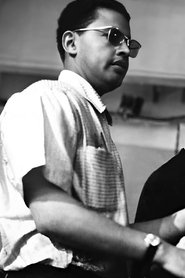
Ali Marok
Ali Marok
Self
Ali Marok
Self
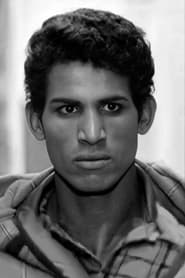
Brahim Hadjadj
Brahim Hadjadj
Ali La Pointe (archive footage)
Brahim Hadjadj
Ali La Pointe (archive footage)
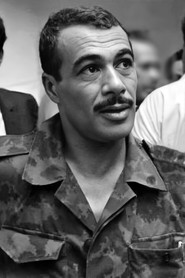
Yacef Saâdi
Yacef Saâdi
Self (archive footage)
Yacef Saâdi
Self (archive footage)

Mohamed Ben Kassen
Mohamed Ben Kassen
Petit Omar (archive footage)
Mohamed Ben Kassen
Petit Omar (archive footage)
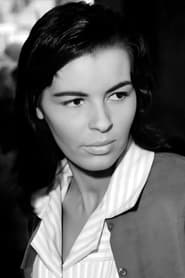
Fouzia El Kader
Fouzia El Kader
Self (archive footage)
Fouzia El Kader
Self (archive footage)
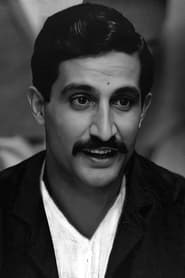
Noureddine Brahimi
Noureddine Brahimi
Self (archive footage)
Noureddine Brahimi
Self (archive footage)
Claudio Racca
Claudio Racca
Self
Claudio Racca
Self
Fatiha Djoudi
Fatiha Djoudi
Self
Fatiha Djoudi
Self
Similar Movies
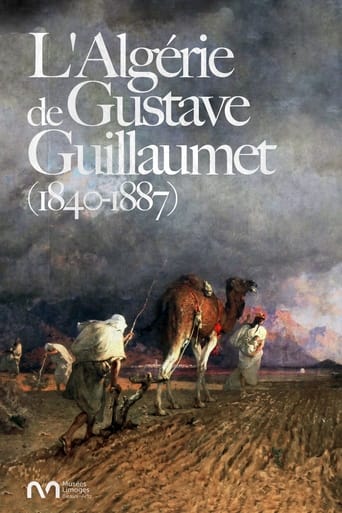
Born on March 25, 1840, Gustave Guillaumet discovered Algeria by chance when he was about to embark for Italy. Over the course of his ten or eleven trips and extended stays, he established a familiarity with this space. Traveling through the different regions from north to south, he never ceases to note the differences. He is also the first artist, apart from Delacroix's Women of Algiers, to penetrate into female interiors and reveal the reality, far removed from the harem fantasies that reigned in his time. Fascinated by the country, its deserts and its inhabitants , going so far as to live like the Algerians, Gustave Guillaumet devoted his life and his painting to this country, breaking with the colorful and exotic representations of the time. The painting The Famine in Algeria, restored thanks to exceptional fundraising, was dictated by the events of the years 1865-1868, and well illustrates his knowledge of the country, in a manner that is at once demanding, sensitive and serious.
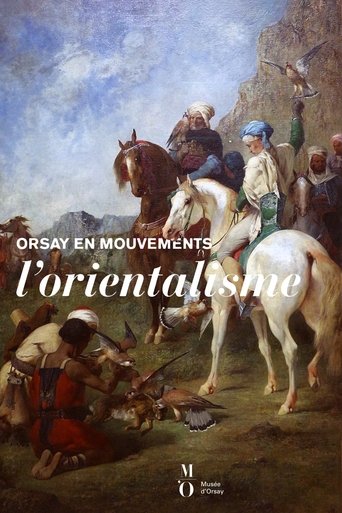
Orientalism is a literary and artistic movement born in Western Europe in the 18th century. Through its scale and popularity, throughout the 19th century, it marked the interest and curiosity of artists and writers for the countries of the West (the Maghreb) or the Levant (the Middle East). Orientalism was born from the fascination of the Ottoman Empire and followed its slow disintegration and the progression of European colonizations. This exotic trend is associated with all the artistic movements of the 19th century, academic, romantic, realistic or even impressionist. It is present in architecture, music, painting, literature, poetry... Picturesque aesthetics, confusing styles, civilizations and eras, orientalism has created numerous clichés and clichés that we still find today in literature or cinema.

An exclusive, behind-the-scenes look at Sofia Coppola’s Priscilla, Liv McNeil’s documentary sparkles with an infectious enthusiasm for the magic of cinema. From visual moodboards to the creation of Graceland, this engaging short reveals the extraordinary craft behind the making of a dark fairytale.