

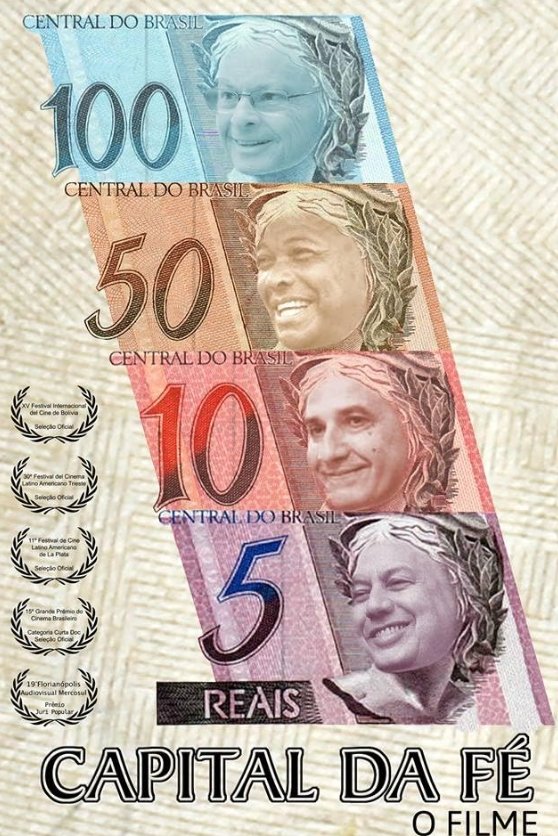
Capital da Fé
Documentary
Overview
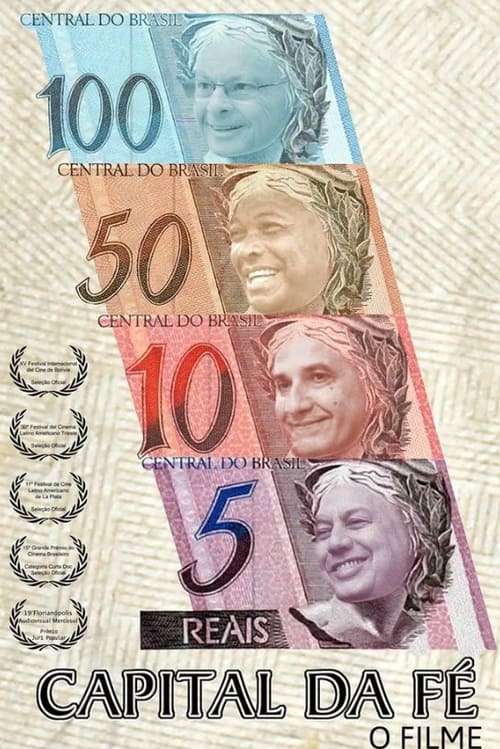
Capital of Faith is a short documentary that addresses the reality of the new Brazilian Evangelical Church, illustrated with images of the Faith spectacle and the unusual Christianization through gospel culture. The film is a portrait of this militant belief experienced in the city of São Paulo, bringing tension between innovative conservatism and the contradictions of Corporate Christianity.
Top Cast
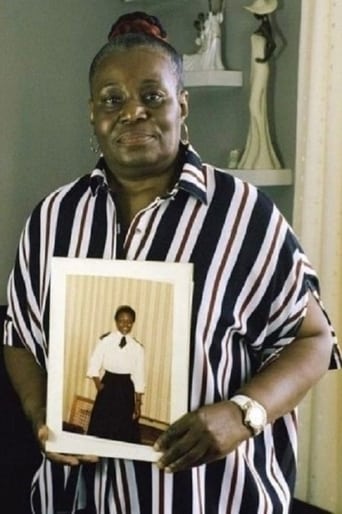
Ricardo Mariano
Ricardo Mariano
Self
Ricardo Mariano
Self
Paulo Siqueira
Paulo Siqueira
Self
Paulo Siqueira
Self
Ricardo Gondim
Ricardo Gondim
Self
Ricardo Gondim
Self
Lanna Holder
Lanna Holder
Self
Lanna Holder
Self
Rosania Rocha
Rosania Rocha
Self
Rosania Rocha
Self
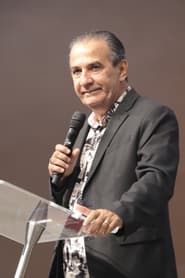
Silas Malafaia
Silas Malafaia
Self (archive footage)
Silas Malafaia
Self (archive footage)
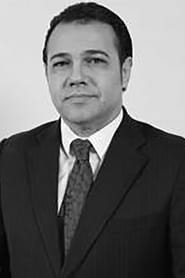
Marco Feliciano
Marco Feliciano
Self (archive footage)
Marco Feliciano
Self (archive footage)
Estevam Hernandes
Estevam Hernandes
Self (archive footage)
Estevam Hernandes
Self (archive footage)
Devair Lucas
Devair Lucas
Self
Devair Lucas
Self
Gilberto Kassab
Gilberto Kassab
Self (archive footage)
Gilberto Kassab
Self (archive footage)
Similar Movies
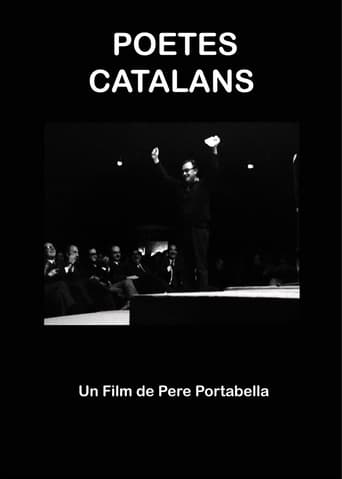
At underground film of the 1st Popular Festival of Catalan Poetry filmed in the Proce Theater in Barcelona on May 25, 1970, in solidarity with political prisoners. The participating poets were: Agustí Bartra, Joan Oliver (Pere IV), Salvador Espriu, Joan Brossa, Francesc Vallverdú and Gabriel Ferrater.
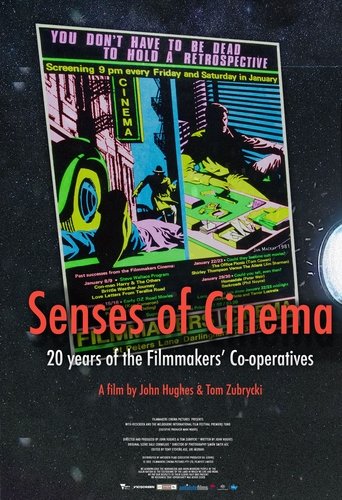
As notions of civil rights transformed across the world, so was the screen landscape reformed by the ascension of grassroots film movements seeking to challenge the mainstream. Some aspired to push form to its limit; others worked to destabilise what they saw as a homogenous industry, or to provoke questions around gender, sexuality, migration and race.
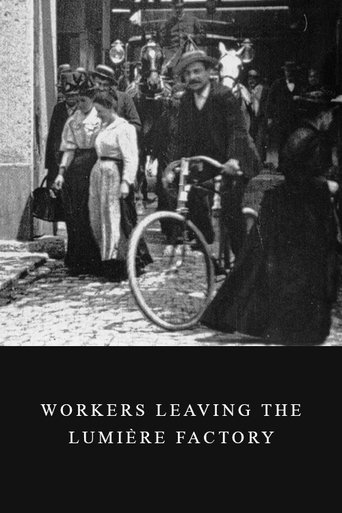
Working men and women leave through the main gate of the Lumière factory in Lyon, France. Filmed on 22 March 1895, it is often referred to as the first real motion picture ever made, although Louis Le Prince's 1888 Roundhay Garden Scene pre-dated it by seven years. Three separate versions of this film exist, which differ from one another in numerous ways. The first version features a carriage drawn by one horse, while in the second version the carriage is drawn by two horses, and there is no carriage at all in the third version. The clothing style is also different between the three versions, demonstrating the different seasons in which each was filmed. This film was made in the 35 mm format with an aspect ratio of 1.33:1, and at a speed of 16 frames per second. At that rate, the 17 meters of film length provided a duration of 46 seconds, holding a total of 800 frames.