

Attenborough and the Giant Egg
Documentary · TV Movie
Overview
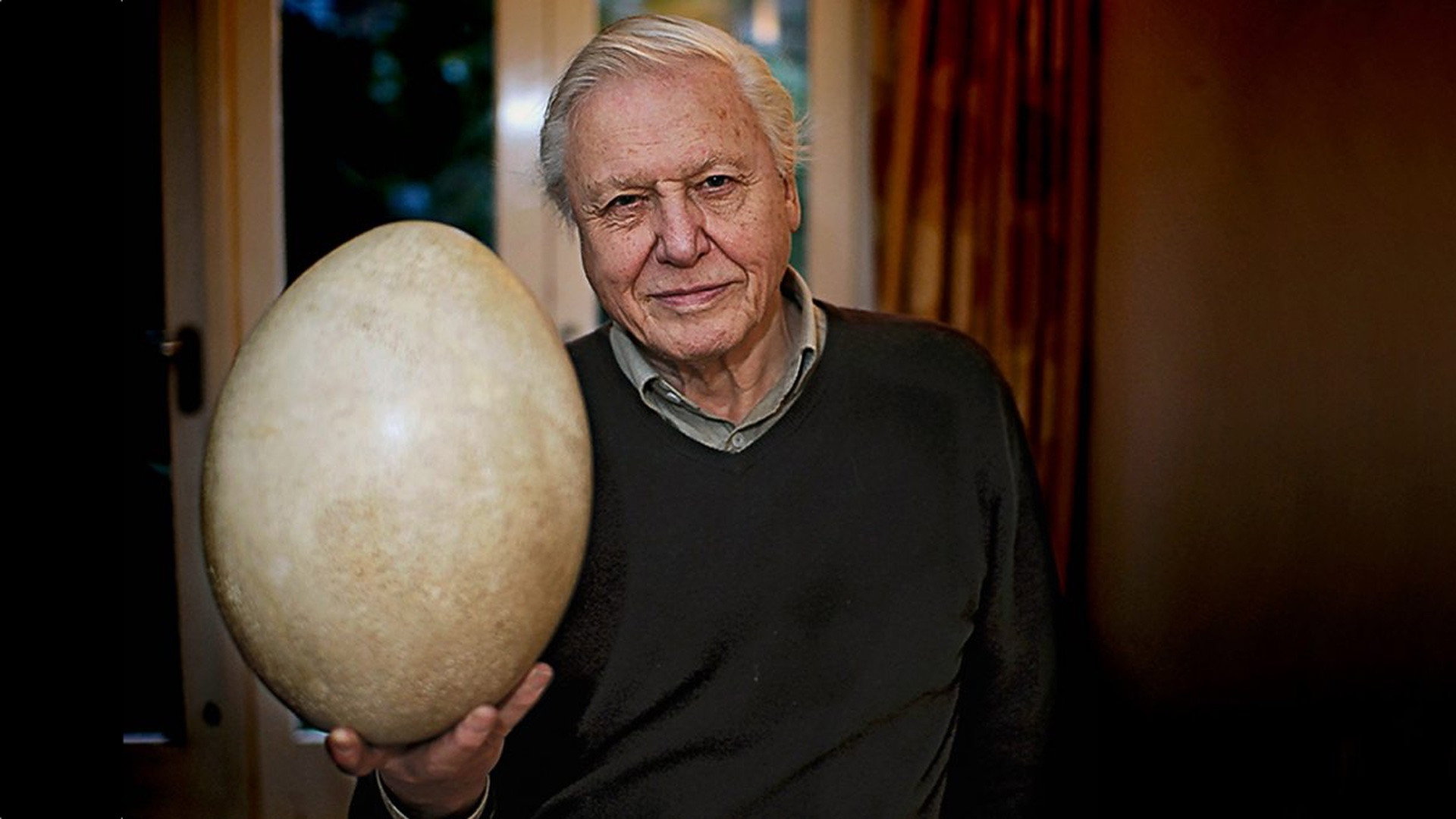
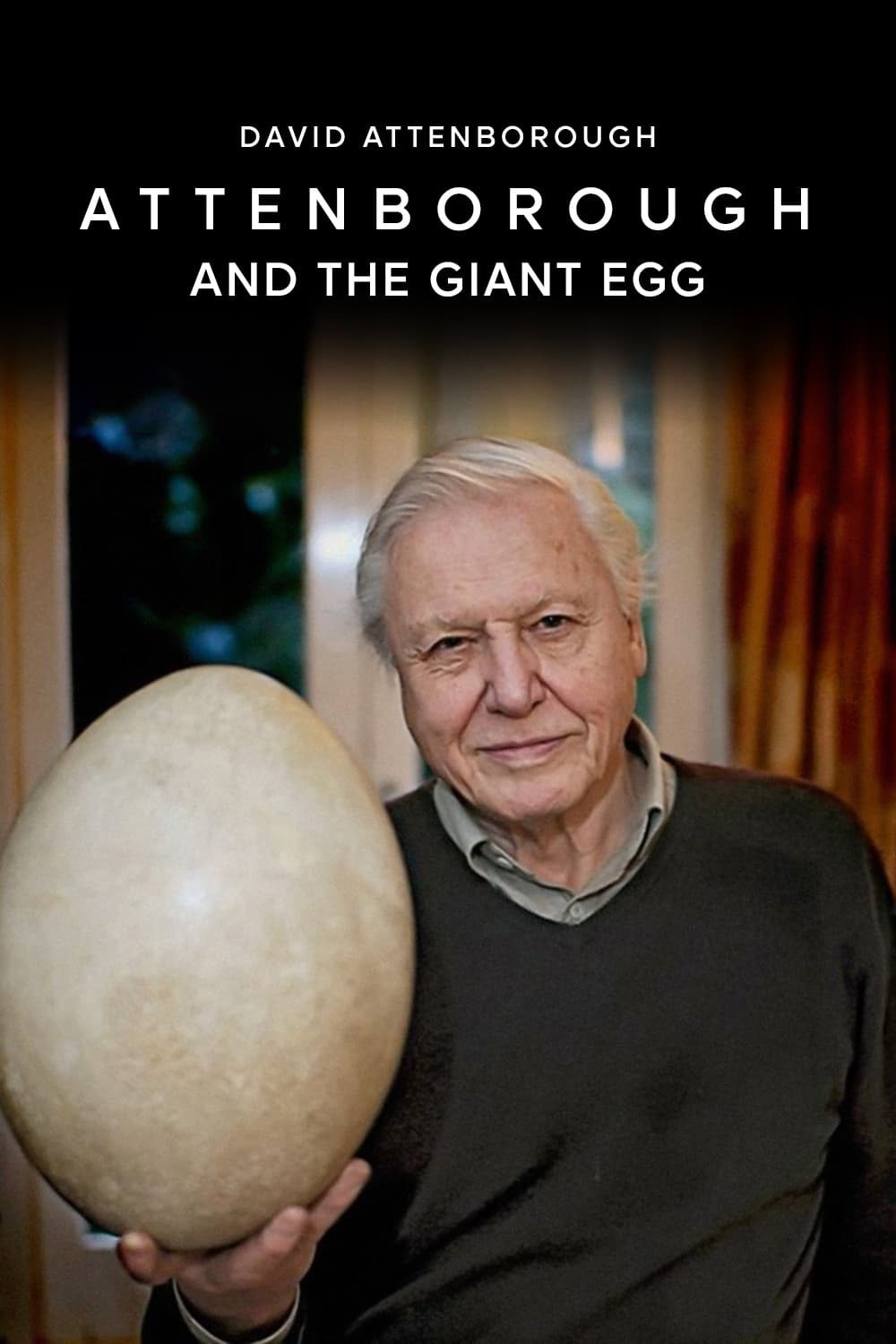
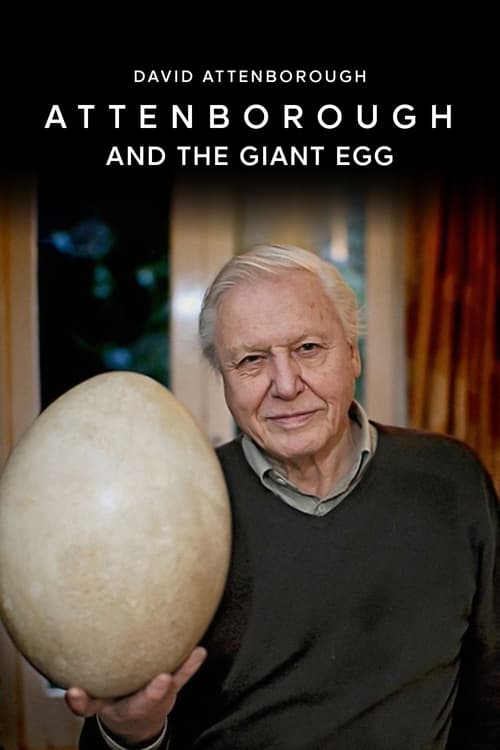
David Attenborough returns to the island of Madagascar on a very personal quest. In 1960 he visited the island to film one of his first ever wildlife series, Zoo Quest. Whilst he was there, he acquired a giant egg. It was the egg of an extinct bird known as the 'elephant bird' - the largest bird that ever lived. It has been one of his most treasured possessions ever since. Fifty years older, he now returns to the island to find out more about this amazing creature and to see how the island has changed. Could the elephant bird's fate provide lessons that may help protect Madagascar's remaining wildlife? Using Zoo Quest archive and specially shot location footage, this film follows David as he revisits scenes from his youth and meets people at the front line of wildlife protection. On his return, scientists at Oxford University are able to reveal for the first time how old David's egg actually is - and what that might tell us about the legendary elephant bird.




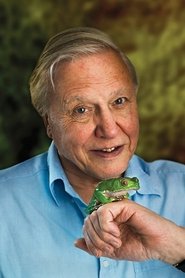
David Attenborough
David Attenborough
Self - Presenter
David Attenborough
Self - Presenter
Similar Movies
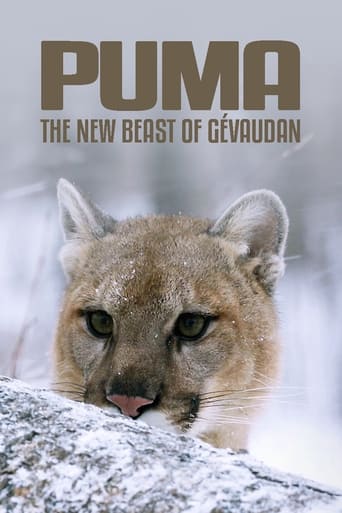
In the heart of southern France there is a fog-prone area where, according to legend, a bloodthirsty creature wreaked havoc 250 years ago. A rumor is spreading again in this legendary place, as eyewitnesses report an animal with large paws and a long tail that crosses roads in a single leap - powerful enough to tear down a horse and leave it mutilated in the pasture. Is the Beast of Gévaudan back? The animal photographer Bruno Loisel has a supposedly more rational explanation. The animal that fits the descriptions could be a cougar, but this species of big cat is only native to America. In order to learn the proper techniques for tracking down the puma, he travels to Canada, where he accompanies a team of researchers dedicated to studying the shy, almost invisible predator. Will Bruno be able to use his findings to solve the mystery of the new beast of Gévaudan?
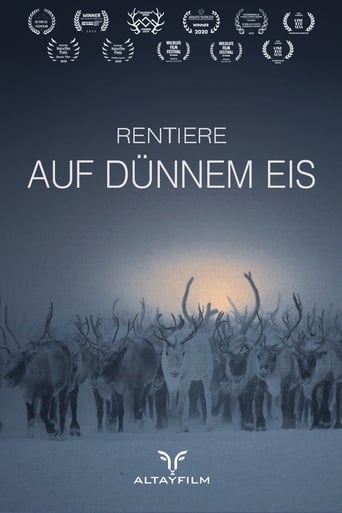
Climate change has reached the indigenous Nenets people in the north of Siberia. The nomads' herds of reindeer move on thin ice. The warming in the Russian Arctic is becoming dramatically visible. Huge craters open in the thawing permafrost and expose dangerous viruses and bacteria. Forest floors dry out and the taiga catches on fire. The pack ice off the coast is melting and depriving polar bears of their habitat so that they approach human settlements in their desperation. The changes in the nature of the Arctic Circle combine with the measurements of researchers and observations of the indigenous people to form a disturbing overall picture: In the Russian Arctic, Pandora's box has been opened! The film team had the chance to shoot in regions that were been restricted areas for decades. The documentary shows in impressive and depressing images already existing effects, phenomena and ominous interlinkages of global warming.
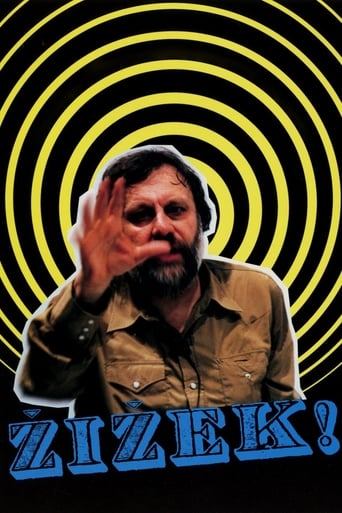
ŽIŽEK! trails the thinker as he crisscrosses the globe, racing from New York City lecture halls, through the streets of Buenos Aires, and even stopping at home in Ljubljana, Slovenia. All the while Žižek obsessively reveals the invisible workings of ideology through his unique blend of Lacanian psychoanalysis, Marxism, and critique of pop culture.
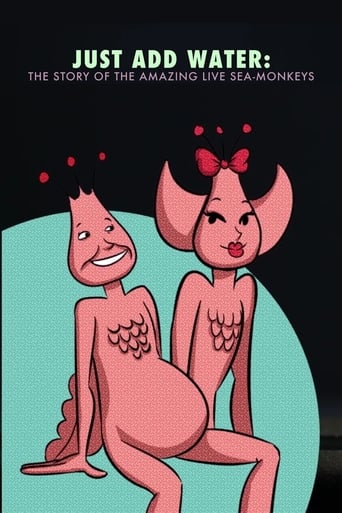
The Story of the Amazing Live Sea-Monkeys is the colourful and surprising true story of a man named Harold von Braunhut; a man who could look at the humblest of creatures – the brine shrimp – and imagine an empire built upon it. Breezy, colourful short about a half-century of marketing directly to children, the force of nostalgia in pop culture, and an unlikely meeting of flimflam and hard science.
When seventeen-year-old Hannah stumbles upon a website about Thinspiration--an online community devoted to anorexia as a life choice--she becomes an obsessive follower of the site founder, ButterflyAna. By the time Hannah's family realizes what is happening and get Hannah the help she needs, the disease has fully taken hold and Hannah is refusing to eat. Will this family be able to exorcise the demon of anorexia from their lives?
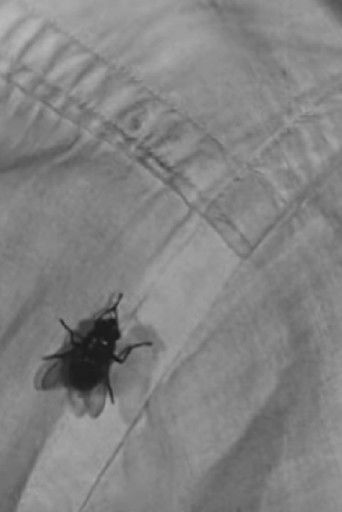
A teaching film for social studies, which was developed as a new educational subject in 1947. At an elementary school in Hokkaido, children have started a fly extermination campaign to improve school hygiene. In order to eliminate the causes of flies, the entire town is working to improve the sanitary environment. The short was filmed with the cooperation of Mizukaido Elementary School in Joso City and is the first film in the "Social Studies Teaching Film System" by Iwanami Film Productions.
A coming of age story following a young meerkat pup, Kolo, growing up in the Kalahari desert; and an inspiring look at how one family's connection to each other and their surroundings is a model of resilience and fortitude for us all. Shot using ground-breaking techniques, this dramatised documentary is a one-of-a-kind presentation from The Weinstein Company and the BBC, featuring narration by Paul Newman.