


Documentary
Overview
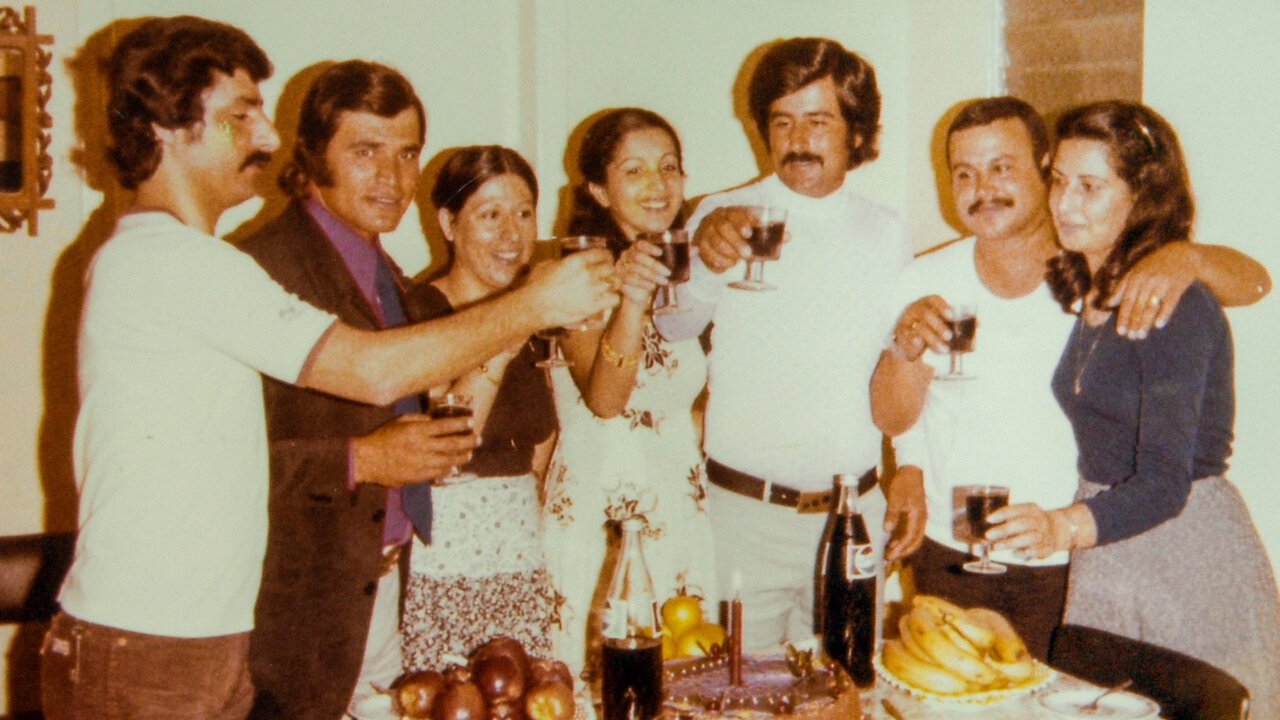
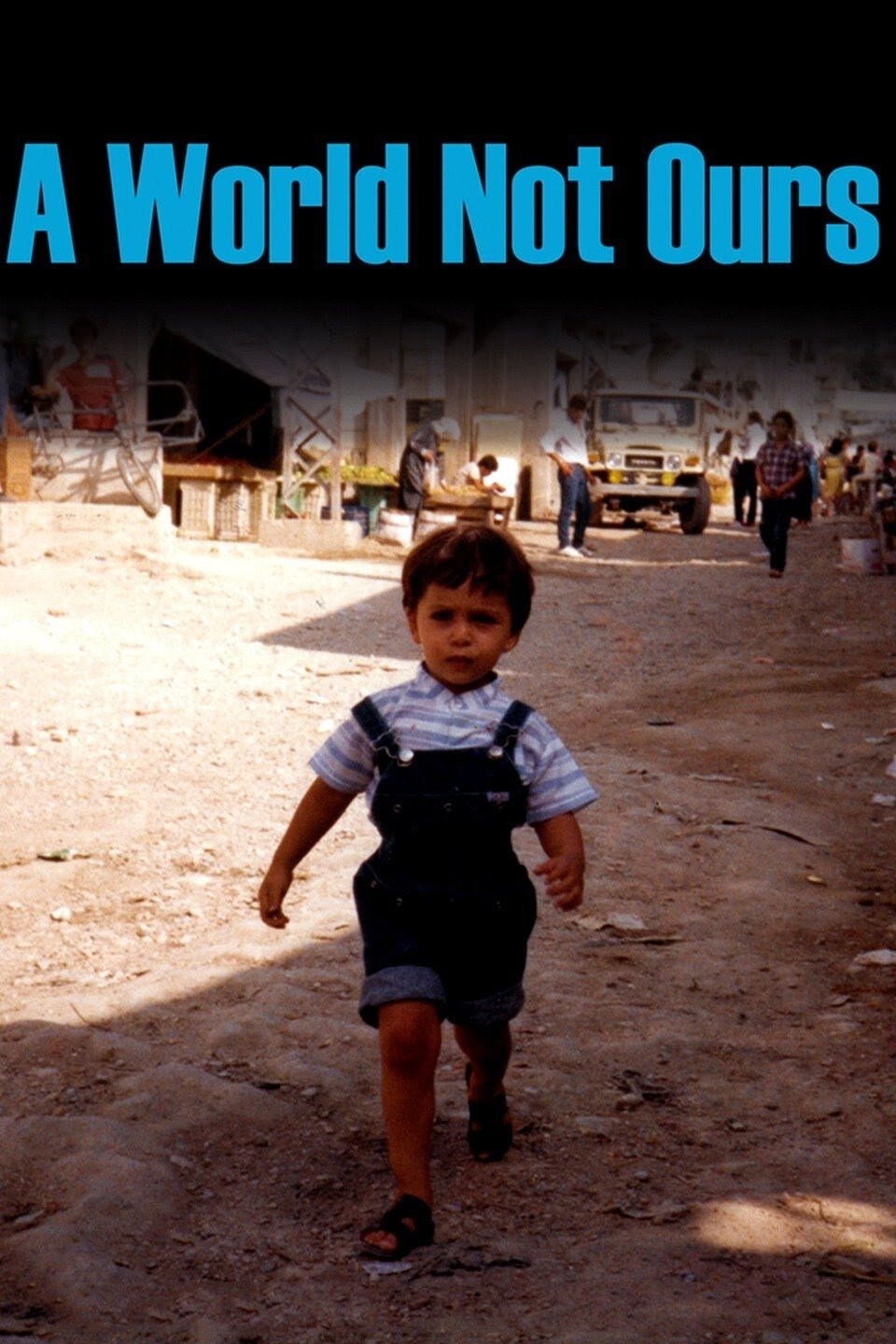
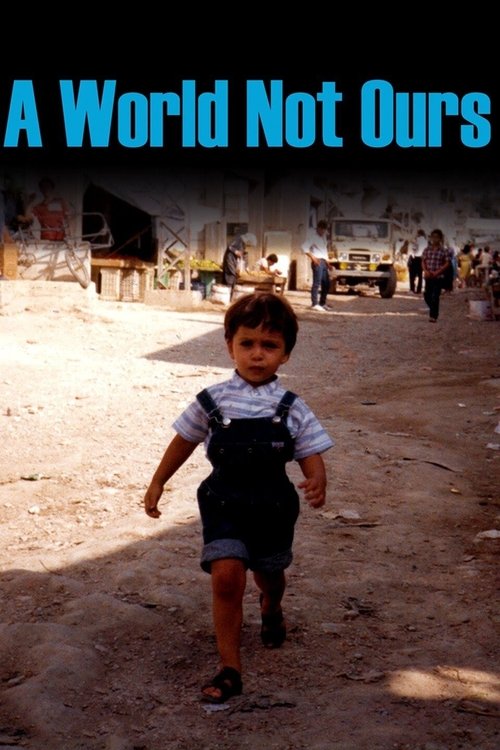
An intimate, and often humorous, portrait of three generations of exile in the refugee camp of Ein el-Helweh, in southern Lebanon. Based on a wealth of personal recordings, family archives, and historical footage, the film is a sensitive, and illuminating study of belonging, friendship, and family in the lives of those for whom dispossession is the norm, and yearning their daily lives.
Top Cast





Mahdi Fleifel
Mahdi Fleifel
(voice)
Mahdi Fleifel
(voice)
Similar Movies

Where do I come from? For some, the question has a simple answer -- for others, the truth can be much more complicated. With the rise in popularity of at-home DNA tests, it's now easier than ever for people to uncover their family history and, sometimes, things their parents wish would stay buried. Interested in learning more about his family heritage, director Jon Baime took an at-home DNA test and uncovered a family secret that has been hidden for half a century. Featuring in-depth interviews with Jon's siblings as well as a treasure trove of family photos and films spanning 70 years, FILLING IN THE BLANKS takes audiences on a journey as Jon explores the meaning behind his discovery and expands on what it means to be family.
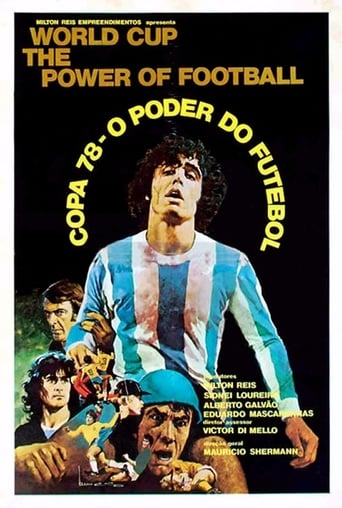
Documentary about the Football World Cup held in Argentina in 1978, focusing on the competition and behind the scenes of the most important soccer competition in the world. Two versions of the 1978 official film exist, the first "Copa 78 - O Poder do Futebol" was made by Brazilian directors Maurício Sherman and Victor di Mello in 1979 but was later withdrawn by FIFA because of its controversial content. The film includes an interview with Rodolfo Galimberti, one of the leaders of the Montoneros guerrilla group and also made accusations that the Argentinian competition organisation committee had deliberately hindered Brazilian chances of success by tampering with the pitch at Mar del Plata.
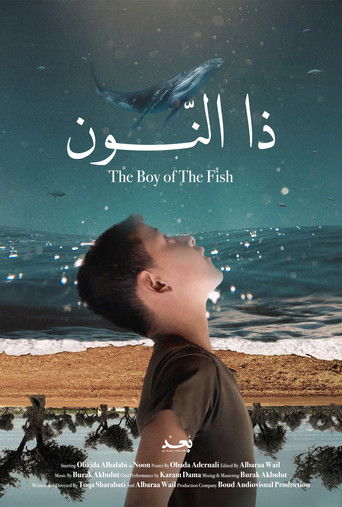
"The Boy Of The Fish" follows Noon, a young boy living in a Syrian refugee camp, who finds solace and a sense of freedom in a whale-shaped doll he names "Bahr." Set against the challenging realities of camp life, Noon’s journey is both a story of resilience and a testament to the boundless imagination of childhood. Through vivid symbolism and a unique soundscape, the film explores themes of loss, hope, and the longing for freedom amidst confinement. Shot entirely on an iPhone due to restrictions in the conflict zone, the film combines raw authenticity with poetic depth to capture the emotional landscape of a young soul navigating adversity.
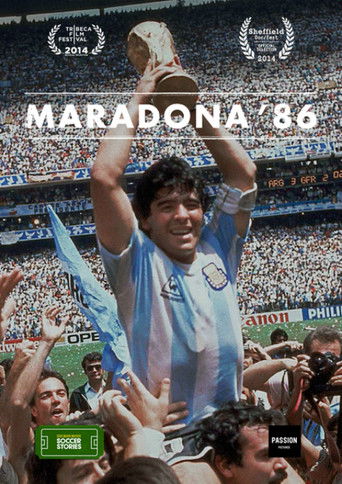
In the 1986 World Cup, Diego Maradona, the world's greatest football player, reached his apotheosis, redefining what is possible for one man to accomplish on a football pitch. His ability to take control of the ball -- the game -- an entire tournament -- split the world in two. It was both illuminating and an affront, beguiling and an outrage, and the fervor that surrounded him was unprecedented, bordering on the religious. Constructed from archive material, "Maradona '86" is an ode to this ultimate footballing idol, basking in the operatic intensity of his performance in Mexico as he wrote his name on football history forever.
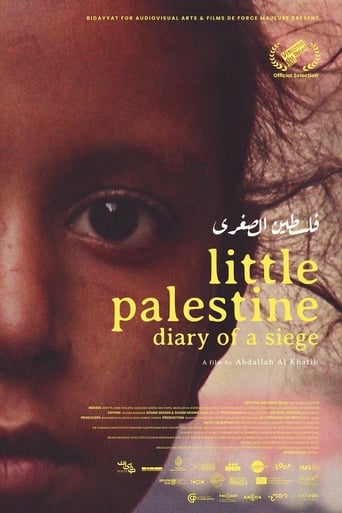
During the Syrian civil war, the district of Yarmouk, home to thousands of Palestinians, became the scene of dramatic and ferocious fighting. The film follows the destiny of civilians during the brutal sieges, imposed by the Syrian regime, that took place in the wake of the battles. With his camera, Abdallah Al-Khatib composes a love song to a place that proudly resists the atrocities of war.

New Jersey, June 18, 1994. Giants Stadium is awash with green as Irish soccer fans arrive to watch Ireland's opening World Cup match against the mighty Italy. The sense of optimism is infectious. The Celtic Tiger is in its infancy. Bill Clinton's decision a few months earlier to grant a visa to Irish Republican leader Gerry Adams has added momentum to an embryonic peace process. Jack Charlton's team walks onto the pitch before 75,000 fervent spectators who've traveled from across the globe for this game.
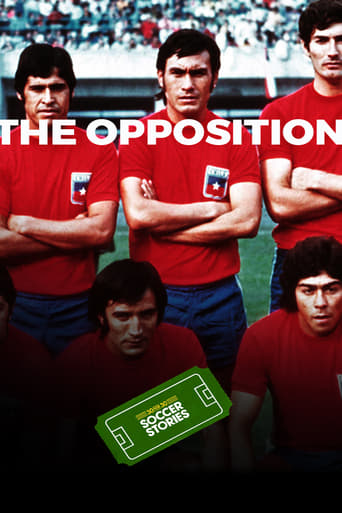
Chile hosts a decisive World Cup qualifier at Santiago’s National Stadium just weeks after the stadium had been transformed into a concentration camp and killing field for opponents of Augusto Pinochet (who had just gained power in a military coup). Though FIFA investigates the matter, the game goes on, with the Chilean team winning in a walkover after their opponents from the Soviet Union boycott in protest over the stadium's use